
Himal and Nagrai: A Tale in Kashmir’s Folklore
Himal and Nagrai, also written Himal and Nagaray, is a Kashmiri folktale about the relationship between a human princess and a naga prince. It belongs to storytelling rather than a verified biography. Its supernatural transformations connect love, identity and the encounter between human society and another realm. Different spellings of the names can refer to the same narrative tradition.
Himal and Nagrai, also written Himal and Nagaray, is a Kashmiri folktale about the relationship between a human princess and a naga prince. It belongs to storytelling rather than a verified biography. Its supernatural transformations connect love, identity and the encounter between human society and another realm. Different spellings of the names can refer to the same narrative tradition. [1]
A collected tale
James Hinton Knowles included a version under the title Nagray and Himal in Folk-Tales of Kashmir. A printed collection preserves one recorded telling in a particular language and editorial form. It is valuable evidence for the tale’s circulation, but it does not establish that every oral performance used the same wording or sequence. [2]
A collector’s book is also an interpretation. Selection, translation and arrangement shape what a later reader encounters. Comparing editions and tellings can reveal differences without requiring that one version be dismissed simply because it differs from another. Folklore is transmitted through repeated retelling, not only through a single authoritative printed text.
Human and supernatural identities
The naga figure allows the story to cross a boundary between human appearance and another kind of being. This makes questions of recognition and trust central to reading the narrative. The relationship can be discussed as a literary theme without treating supernatural events as a documented explanation of a real landscape.
Names connected with water or serpent beings can invite geographical associations, but a modern map marker cannot establish where a fictional event occurred. A place identified in a particular telling should be reported as part of that version’s narrative, not automatically as a verified historical site.
Reading and cross-reference
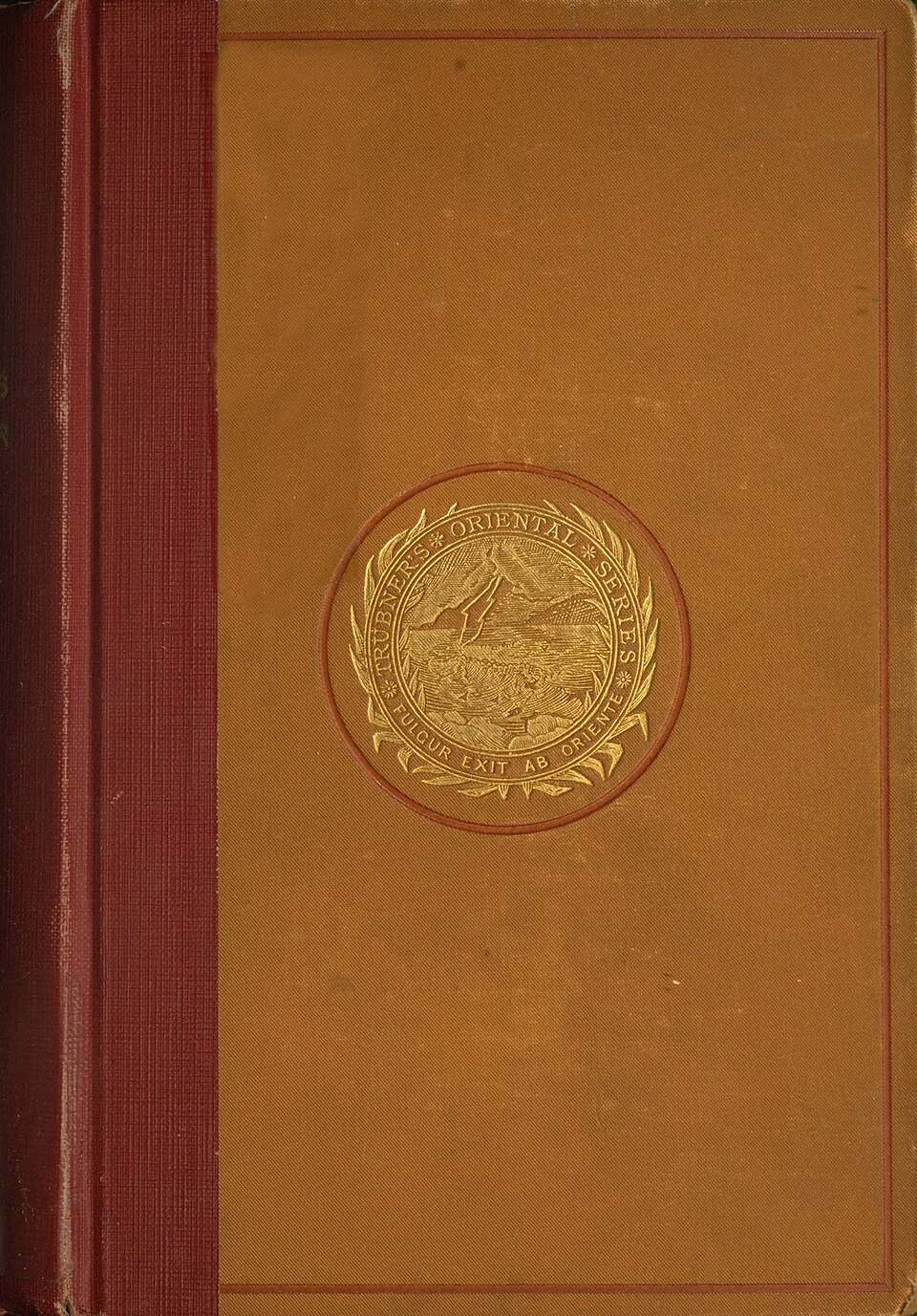
The accompanying book-cover image identifies a source associated with the collection of Kashmiri tales; it is not a documentary picture of the protagonists. Read the story alongside Kashmiri literature and profiles of poets to distinguish oral narrative, printed collection and individual authorship. The Srinagar marker supplies regional context only. An encyclopedia entry can explain the narrative’s themes and transmission while preserving that distinction, allowing readers to appreciate the tale without confusing folklore with archaeological or biographical evidence.
Image and map record
Image: Author James Hinton Knowles Publisher Trübner & Co. via Wikimedia Commons. Licence: Public domain. Recorded capture date: 1888. Resized and converted to WebP; image content unchanged. This is a dated view, not confirmation of the site’s present appearance.
Map marker: 34.083, 74.797. Labelled regional/locality context marker; not a verified public entrance, pickup point, birthplace, residence, venue, trailhead, crop boundary or visitor route. View location on OpenStreetMap · View Google Maps · Google directions · OpenStreetMap directions.
Research checked: 15 October 2026. For a visit, confirm current access, transport and opening information with the relevant authorities. This encyclopedia profile provides geographical and historical context.
Sources & references
[1] Wikipedia: Himal and Nagaray (secondary overview)
https://en.wikipedia.org/wiki/Himal_and_Nagaray ↗
[2] Publisher bibliographical record: Knowles, Folk-Tales of Kashmir, including Nagray and Himal
https://www.routledge.com/Folk-Tales-of-Kashmir/Knowles/p/book/9780415865760 ↗
Image and licence
https://commons.wikimedia.org/wiki/File:Folk-tales_of_Kashmir_-_Cover.jpg ↗
https://commons.wikimedia.org/wiki/File:Folk-tales_of_Kashmir_-_Cover.jpg#Licensing ↗
Related reading

Aali Masjid: Open Ground and a Historic Srinagar Mosque
Aali Masjid, also written Ali Masjid, is a historic mosque in Srinagar's Eidgah area.
Agha Shahid Ali: Poetry, Memory and Kashmir
Agha Shahid Ali was a Kashmiri-American poet who lived from 1949 to 2001. Born in New Delhi and raised in a family associated with Kashmir, he develop

Amar Singh College: Education, Campus Heritage and Institutional Change
The growth of an educational institution from a technical institute, with campus conservation and academic resources.