
Anji Khad Bridge: Cable-stayed Railway Engineering in Reasi
The Anji Khad Bridge is a railway crossing in Reasi district, on the USBRL route between Katra and the Kashmir Valley.
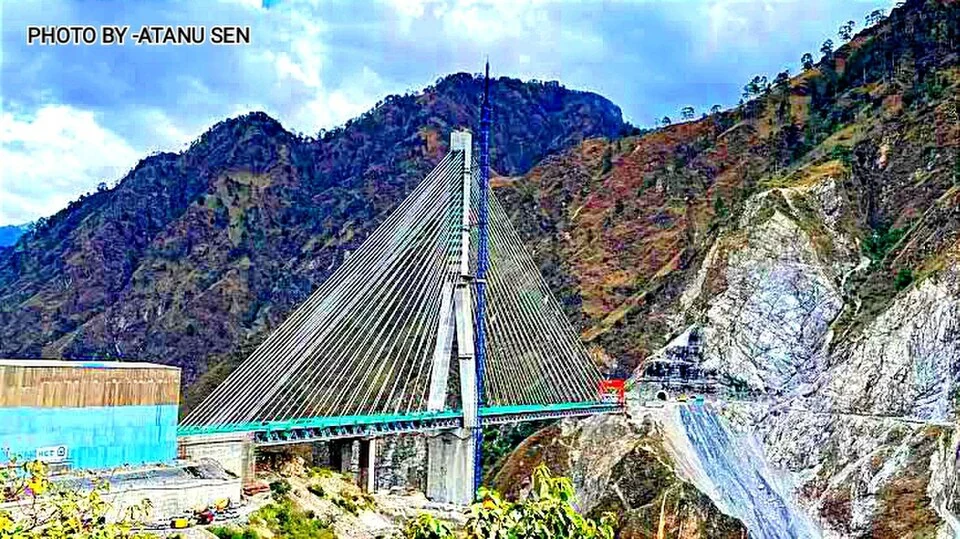
The Anji Khad Bridge is a railway crossing in Reasi district, on the USBRL route between Katra and the Kashmir Valley. It spans the gorge of the Anji river, a tributary of the Chenab. Konkan Railway identifies it as India's first cable-stayed railway bridge. That description distinguishes its structural form from the arch used at the separate Chenab Rail Bridge.[1]
A deck supported by stays
The project account describes a principal cable-stayed span of approximately 473 metres with 96 supporting cables. The cables transfer loads from the deck toward a pylon and its foundation. A stated length may refer to the cable-stayed portion rather than all approach structures, so figures for different parts should not be combined as though they measure the same thing.[1]
In a cable-stayed bridge, the visible inclined cables connect directly with the deck. This differs from an ordinary suspension bridge, where a main cable generally carries vertical hangers. The distinction provides a useful way to read a photograph: the geometry shows part of the structural system, though a complete engineering assessment requires more than visual inspection.
From construction to operation
The Anji bridge was inaugurated on 6 June 2025 with the Chenab bridge and associated rail-link developments. An image dated 2023 belongs to the construction period even if most of the structure is visible. The caption should preserve that date rather than suggest that the photograph confirms today's track, access or operating condition.[2]
The bridge is part of a railway alignment constrained by slopes, gorges and adjoining tunnels. Its location explains why a map route and an authorised visitor approach are separate matters. Railway property must not be treated as a pedestrian shortcut, and a directions link to the crossing does not establish permission to enter the deck or construction access roads.
Read alongside the Chenab Rail Bridge for a comparison of arch and cable-stayed forms. Katra station and Banihal station describe passenger access within the larger network. Jammu Tawi adds the southern gateway context. These articles explain the connected system while keeping bridges, stations and destinations as distinct subjects.
Photograph and map record
Photograph: Lokb123 via Wikimedia Commons. Licence: CC BY-SA 4.0. Recorded capture date: 2023-05-03. Resized and converted to WebP; scene content unchanged. This is a dated view, not confirmation of the site’s present appearance.

Map marker: 33.08111, 74.91278. Secondary bridge-location record; not a public entrance or permission to enter railway property. View location on OpenStreetMap · View Google Maps · Google directions · OpenStreetMap directions.
Research checked: 14 October 2026. For a visit, confirm current access, transport and opening information with the relevant authorities. This encyclopedia profile provides geographical and historical context.
Sources & references
[1] Konkan Railway: Anji bridge and cable-stayed structure
https://www.konkanrailway.com/en/node/5149 ↗
[2] PIB: inauguration of Chenab and Anji bridges and regional railway link, 6 June 2025
https://www.pib.gov.in/PressReleasePage.aspx?PRID=2134513&lang=1®=3 ↗
Photograph and licence
https://commons.wikimedia.org/wiki/File:ANJI_KHAD_BRIDGE_PHOTO_BY_-ATANU.jpg ↗
Related reading
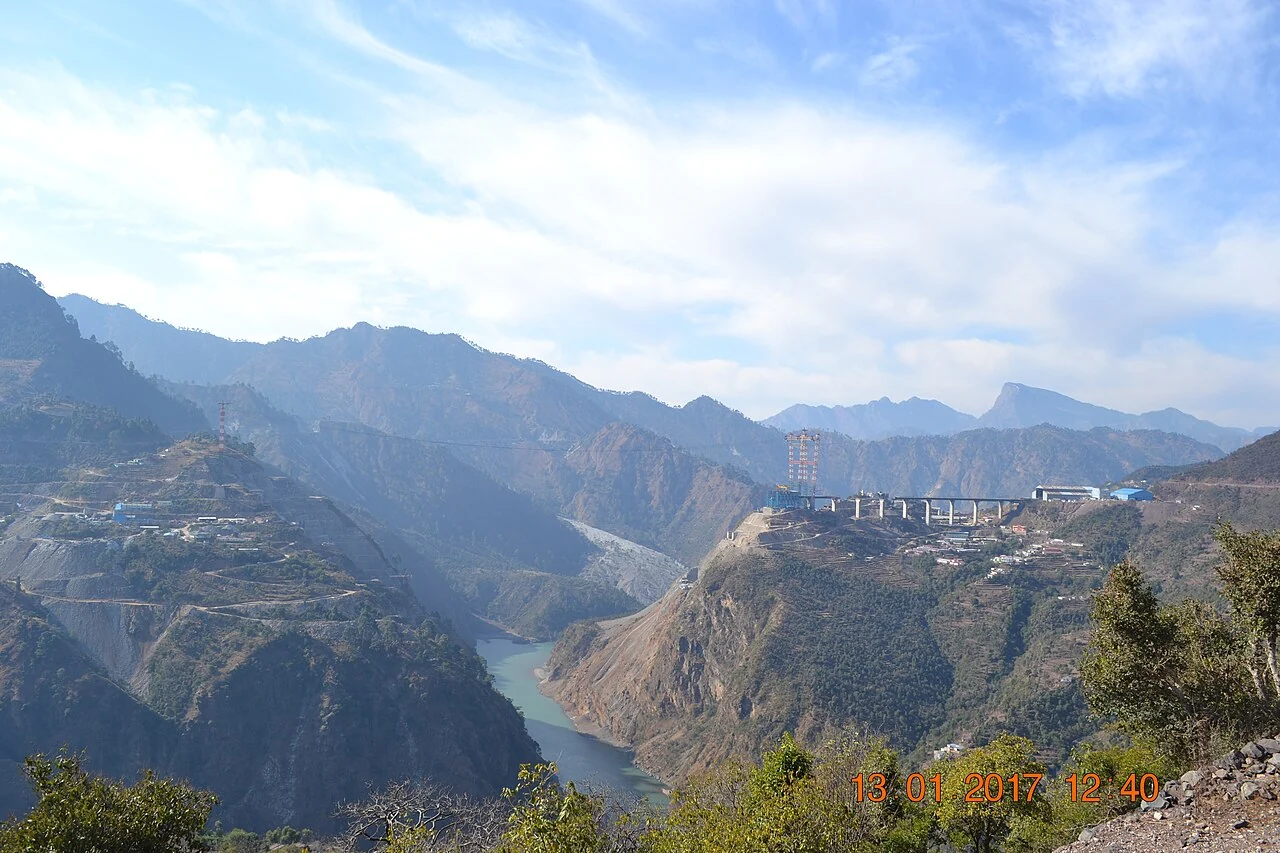
Chenab Rail Bridge: Engineering across the Reasi Gorge
The Chenab Rail Bridge crosses a deep river gorge in Reasi district as part of the Udhampur–Srinagar–Baramulla Rail Link, commonly abbreviated USBRL.
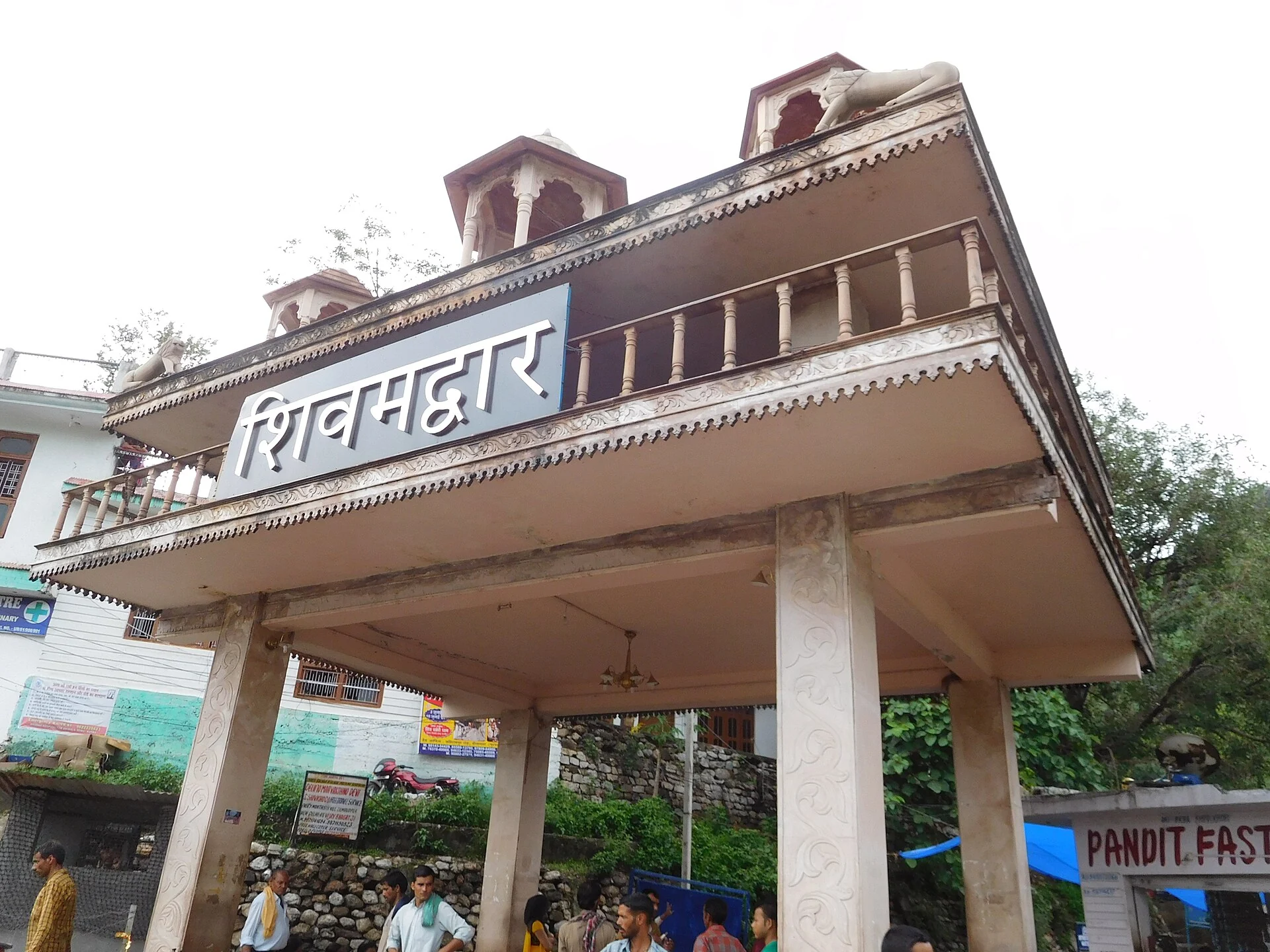
Shiv Khori: Cave Shrine and Pilgrimage around Ransoo
A cave shrine near Ransoo, its devotional interpretation and recurring pilgrimage gathering.
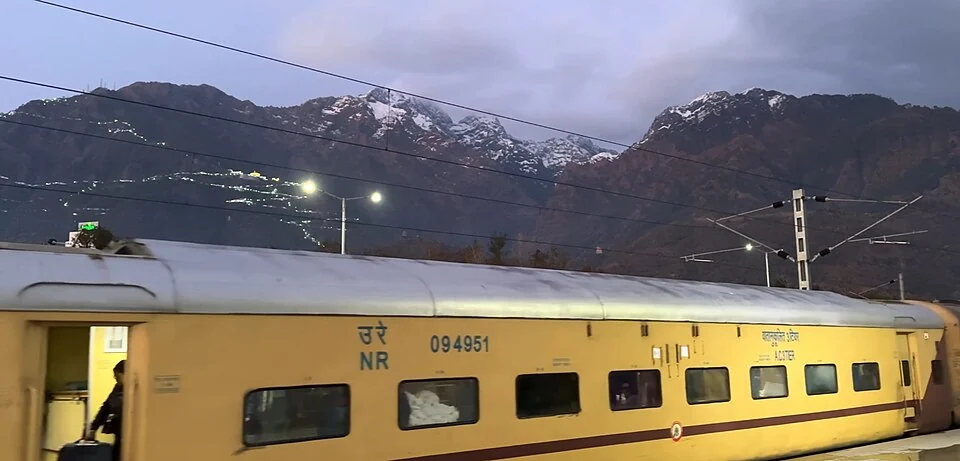
Shri Mata Vaishno Devi Katra Station: Railway and Pilgrimage
Shri Mata Vaishno Devi Katra railway station, code SVDK, serves Katra in Reasi district.