
Basohli Painting: Colour, Form and a Jammu-region Tradition
Basohli painting is a distinctive tradition of miniature painting associated with Basohli in the Jammu region. It is usually discussed within the wider field of Pahari painting. Bold colour, expressive figures and strongly organised compositions make its visual character recognisable, while the attribution of an individual work depends on more than a general resemblance.
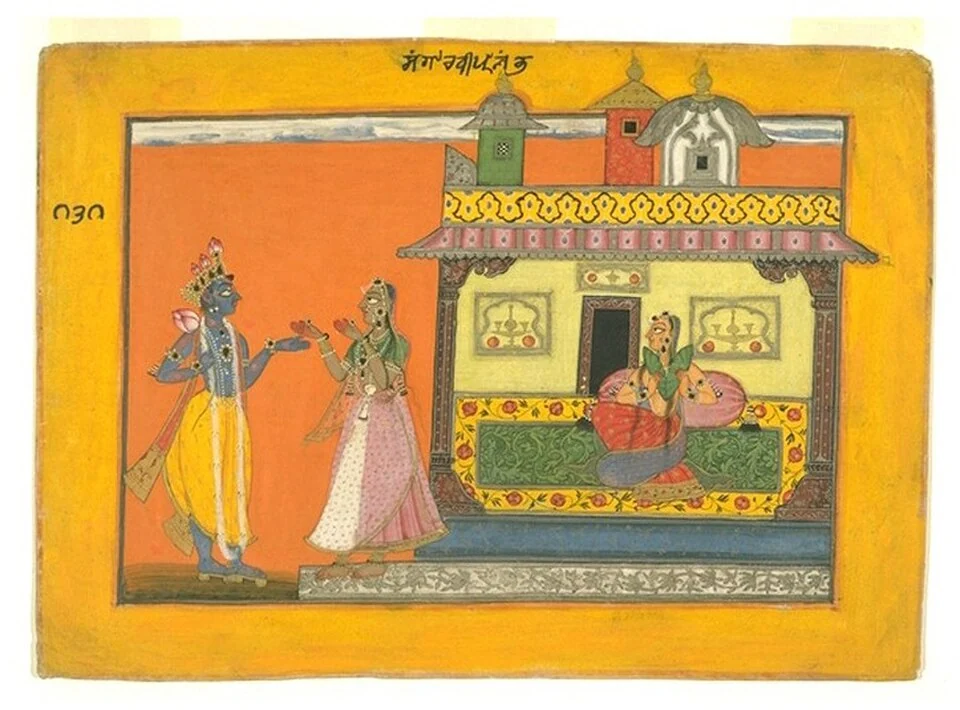
Basohli painting is a distinctive tradition of miniature painting associated with Basohli in the Jammu region. It is usually discussed within the wider field of Pahari painting. Bold colour, expressive figures and strongly organised compositions make its visual character recognisable, while the attribution of an individual work depends on more than a general resemblance.[1]
Images and themes
The Development Commissioner for Handicrafts describes Basohli's painting tradition through its style, materials and subject matter. Religious narratives, portraits and literary themes can appear in miniature paintings. The subject of a picture and the location of the workshop that produced it are different facts.[2]
The Kathua administration records the tradition as part of the area's craft heritage. Basohli Painting also has a Geographical Indication registration. That contemporary designation concerns a recognised craft identity; it does not authenticate the age or workshop origin of every painting offered under the name.[3]
Reading a miniature
A viewer can begin with the arrangement of figures, background colours and the relationship between painted space and text. These elements help show how a small surface carries a narrative. Looking closely can reveal details that disappear when a miniature is reproduced only as a tiny decorative thumbnail.
Historical works require museum or collection records identifying title, date, attribution and provenance. A picture of a Basohli ruler can have been made at another hill-state centre. Naming the sitter alone is therefore insufficient to classify a painting as a Basohli-school work.
Contemporary practice has a different documentation trail: the artist, training, materials and date of making can be recorded directly. Living artisans should be credited as makers rather than presented only as anonymous inheritors of a vanished court tradition.
Read Basohli Town for the place, Mubarak Mandi for a museum-related setting and Sozni for a different regional surface craft. The Kathua context marker is not the location of every painting's original workshop or present collection. The supplied image retains its source attribution and date rather than claiming to represent the whole tradition.
Image and map record
Image: Kripal of Nurpur (source attribution) via Wikimedia Commons. Licence: Public domain. Recorded capture date: circa 1660–1670 (artwork date). Resized and converted to WebP; image content unchanged. This is a dated view, not confirmation of the site’s present appearance.


Map marker: 32.386, 75.517. Editorial regional-context marker. This biography, craft or cultural tradition is not a single physical destination. The point is not a verified birthplace, residence, workshop, exclusive origin, performance venue or cultural boundary. View location on OpenStreetMap · View Google Maps · Google directions · OpenStreetMap directions.
Research checked: 14 October 2026. For a visit, confirm current access, transport and opening information with the relevant authorities. This encyclopedia profile provides geographical and historical context.
Sources & references
[1] Reference overview: Basohli (town)
https://en.wikipedia.org/wiki/Basohli_(town) ↗
[2] Development Commissioner Handicrafts: Basohli painting
[3] GI Registry: Basohli Painting
https://search.ipindia.gov.in/GIRPublicSearch/Application/Details/755 ↗
Image and licence
Related reading
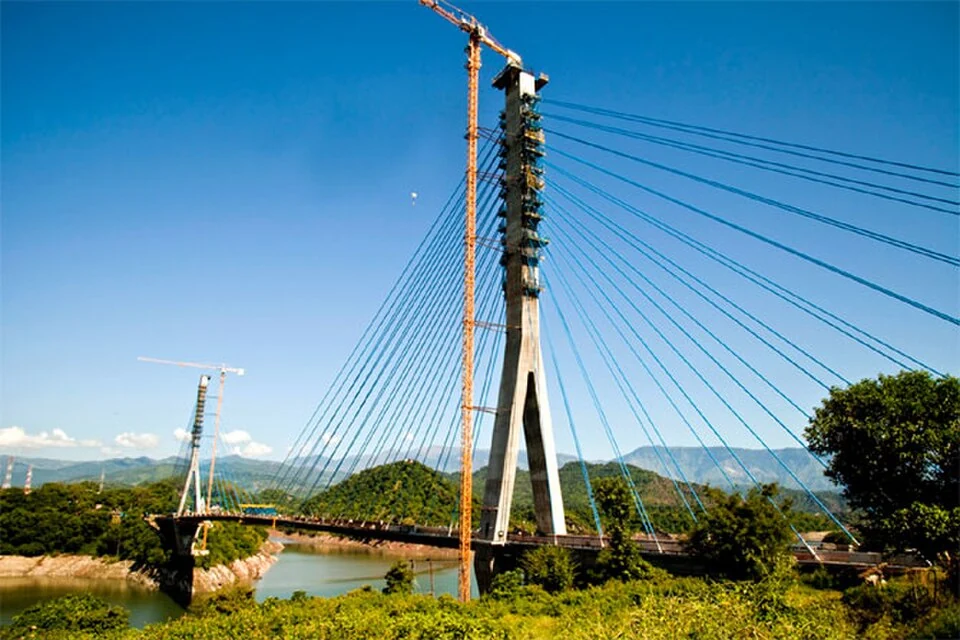
Basohli: Ravi-side Town and a Centre of Pahari Painting
Basohli is a town in Kathua district, in the Jammu region, overlooking the Ravi river landscape.
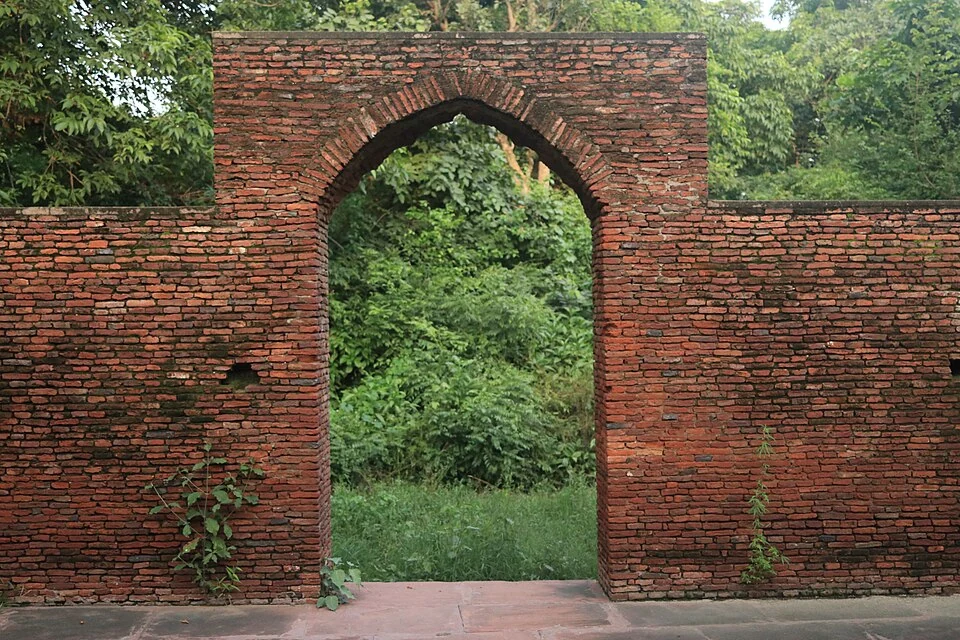
Jasrota Fort: Ruins and Heritage in the Kathua Landscape
Jasrota Fort is a historic fortified site in Kathua district in the Jammu region. The surviving ruins belong to the former Jasrota setting and are ass