
Basohli: Ravi-side Town and a Centre of Pahari Painting
Basohli is a town in Kathua district, in the Jammu region, overlooking the Ravi river landscape.
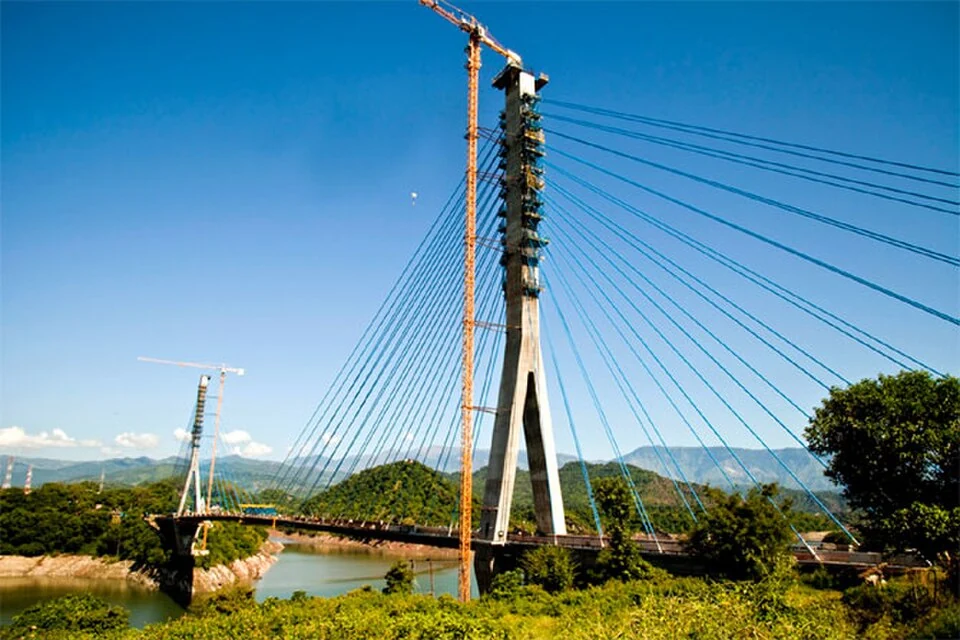
Basohli is a town in Kathua district, in the Jammu region, overlooking the Ravi river landscape. Its name also identifies a celebrated school of Pahari painting. The settlement and the artistic tradition belong together, but they are not interchangeable: a painting described as Basohli may explain a courtly style without documenting a particular street or building. The town's historical importance rests partly on this relationship between regional power, patronage and visual culture.[1]
A town remembered through colour
The Kathua administration places the flowering of Basohli painting in the seventeenth and eighteenth centuries. Its account highlights emphatic colours, strong lines and a distinctive treatment of figures. Religious and literary subjects provided artists with stories to interpret, while patronage helped turn a small hill-state centre into a place of much wider artistic influence. The paintings are therefore historical objects as well as images: their subjects, pigments and composition offer different kinds of evidence.[2]
Reading the town through its paintings can be rewarding, provided the relationship is kept precise. A miniature is a carefully composed work, not a neutral photograph of everyday life. The gestures and colours selected by its maker may express devotion, emotion or status. An encyclopedia entry should distinguish those artistic choices from claims about what every resident wore, believed or did.
Basohli within Kathua
The Ravi-side setting provides a second way to understand Basohli. River crossings and hill roads place it within a network of settlements rather than at the edge of an isolated world. The district's official profile identifies Basohli as one of Kathua's tehsils and describes Dogri and Pahari language settings within the wider district. Those district-level observations should not be treated as a census of a single town.[3]
A useful visit or further study can follow two parallel questions: what survives of the settlement's built landscape, and where its artistic legacy is preserved or practised. Each requires its own evidence. Galleries, museum collections and workshops should be identified individually rather than inferred from the town's reputation. Compare the palace-and-museum relationship at Amar Mahal and the object-based history presented at the SPS Museum.
Photograph and map record
Photograph: Jagdevsingh721 via Wikimedia Commons. Licence: CC BY-SA 4.0. Recorded capture date: 2016-03-04. Resized and converted to WebP; scene content unchanged. This is a dated view, not confirmation of the site’s present appearance.

Map marker: 32.5, 75.82. Representative location from the secondary geographical record, not a surveyed boundary or verified visitor entrance. View location on OpenStreetMap · View Google Maps · Google directions · OpenStreetMap directions.
Research checked: 14 October 2026. For a visit, confirm current access, transport and opening information with the relevant authorities. This encyclopedia profile provides geographical and historical context.
Sources & references
[1] Basohli (town) — secondary historical/geographical overview
https://en.wikipedia.org/wiki/Basohli_%28town%29 ↗
[2] Kathua district: Basholi paintings
https://kathua.nic.in/basholi-paintings/ ↗
[3] Kathua district profile
Photograph and licence
https://commons.wikimedia.org/wiki/File:Basohli_bridge1.jpg ↗
Related reading
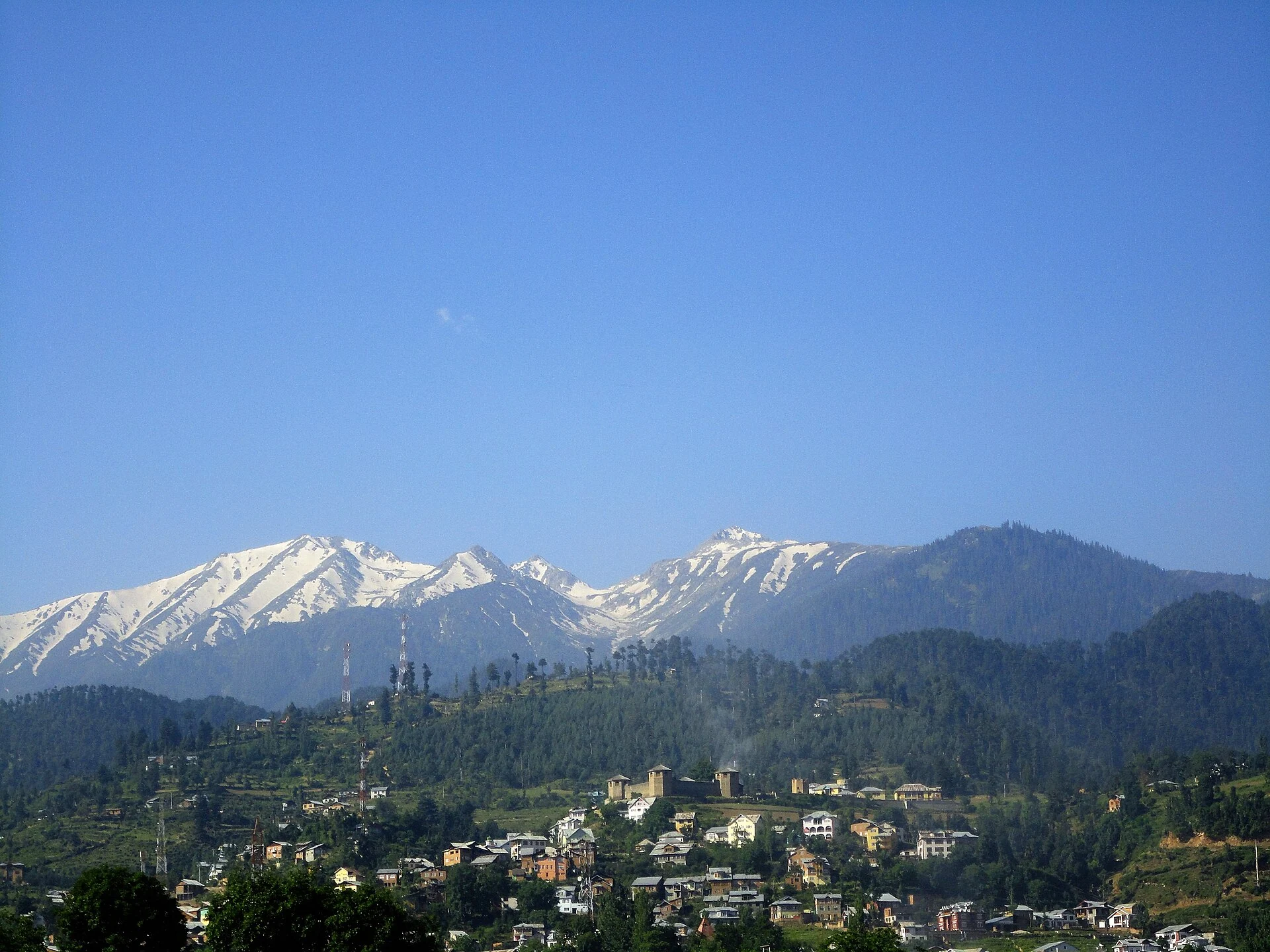
Bhaderwah: Town, Valley and the Bhadarwahi Cultural Landscape
The mountain town and valley, local language identity and relationship with surrounding destinations.
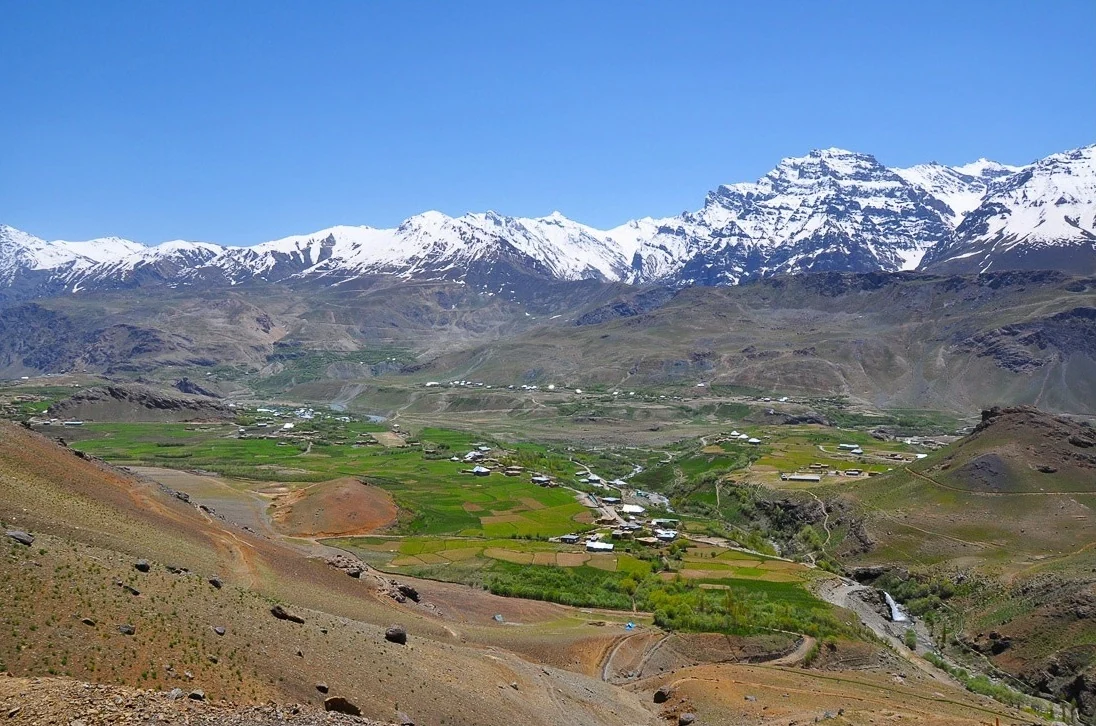
Drass: Mountain Settlement on the Srinagar–Ladakh Corridor
Drass, also written Dras, is a mountain settlement on the road corridor between the Kashmir Valley and Kargil.
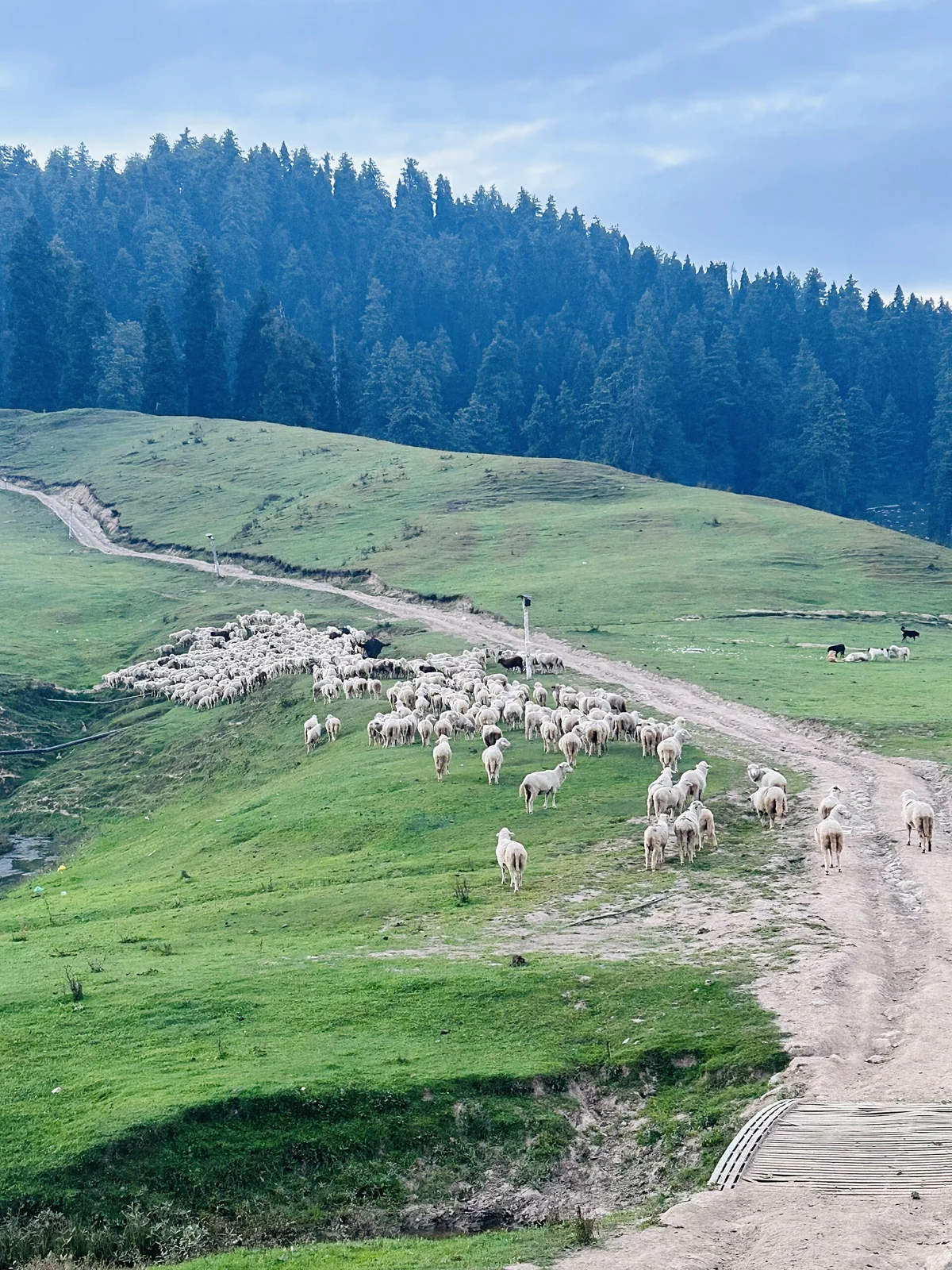
Gulmarg: Meadow, Resort History and Winter Sports
A connected profile of Gulmarg’s upland meadow, historical patronage, recreational landscape and winter sports.