
Shanti Stupa: Monument and Viewpoint above Leh
Shanti Stupa is a white-domed Buddhist monument on a hill above Leh in Ladakh. The district administration records its construction in 1991 by the Japanese Buddhist monk Gyomyo Nakamura, as part of the peace-pagoda movement. Its twentieth-century origin should be kept distinct from the much longer history of Buddhist monuments across Ladakh.
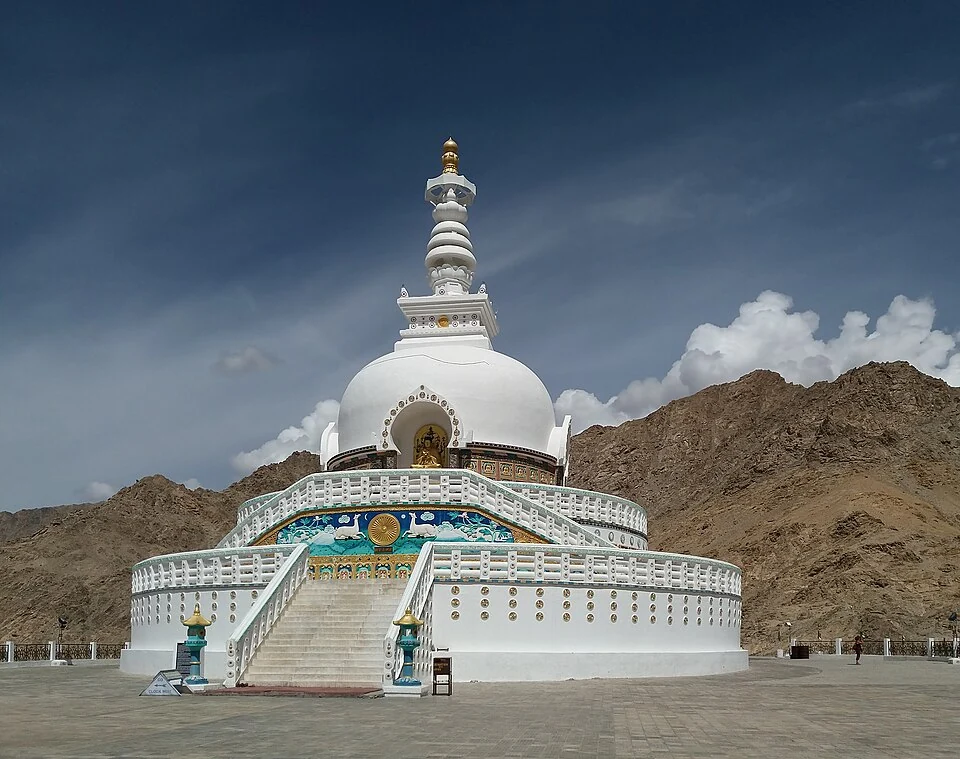
Shanti Stupa is a white-domed Buddhist monument on a hill above Leh in Ladakh. The district administration records its construction in 1991 by the Japanese Buddhist monk Gyomyo Nakamura, as part of the peace-pagoda movement. Its twentieth-century origin should be kept distinct from the much longer history of Buddhist monuments across Ladakh. [1]
Monument and religious meaning
Official tourism material describes the stupa’s position above Leh and its association with peace. A stupa is a religious monument, not simply a scenic lookout. Its hilltop setting can offer views of the town while its form and purpose belong to Buddhist commemorative and devotional traditions. [2]
The dome, terraces and other architectural elements should be read as parts of a designed monument. A photograph can show their arrangement and contrast with the surrounding hills, but it does not by itself explain every symbol. Interpretation should follow an identified architectural or religious source.
Leh from above
The elevated viewpoint connects the monument visually with Leh’s settlement landscape. Looking across the town can help a reader distinguish dense built-up areas, slopes and distant mountains. The view is not a survey of district boundaries, and a visible ridge does not establish the distance or route to every place beyond it.
Light and season affect the appearance of a hilltop photograph. An evening image and a bright daytime image can record the same structure differently. Their dates and conditions are therefore useful visual context rather than evidence that the building itself changed between every image.
History and visiting context
Read Shanti Stupa with Leh town, Leh Palace and nearby monastery entries to compare monuments of different dates and functions. A shared Buddhist or hilltop association does not make these places architecturally identical. The map marker orients readers to the stupa setting and is not a verified step-free approach or current entrance arrangement. The selected photograph identifies the Leh monument, avoiding confusion with other places called Shanti Stupa in India or Nepal. Current visitor access belongs to local information; the encyclopedia records the monument’s identity, documented origin and position within Leh’s cultural landscape.
Image and map record
Image: Yann Forget, correction by Trougnouf via Wikimedia Commons. Licence: CC BY-SA 4.0. Recorded capture date: 2018-08-14 10:42:43. Resized and converted to WebP; image content unchanged. This is a dated view, not confirmation of the site’s present appearance.
Map marker: 34.1744, 77.5745. Source-recorded orientation point, not a surveyed boundary, verified visitor entrance, campsite or present access guarantee. View location on OpenStreetMap · View Google Maps · Google directions · OpenStreetMap directions.
Research checked: 15 October 2026. For a visit, confirm current access, transport and opening information with the relevant authorities. This encyclopedia profile provides geographical and historical context.
Sources & references
[1] Leh administration: Shanti Stupa
https://leh.nic.in/tourist-place/shanti-stupa/ ↗
[2] Ministry of Tourism, Incredible India: Shanti Stupa
https://www.incredibleindia.gov.in/en/ladakh/leh/shanti-stupa ↗
Image and licence
https://commons.wikimedia.org/wiki/File:Shanti_Stupa,_Leh,_20180814.jpg ↗
Related reading
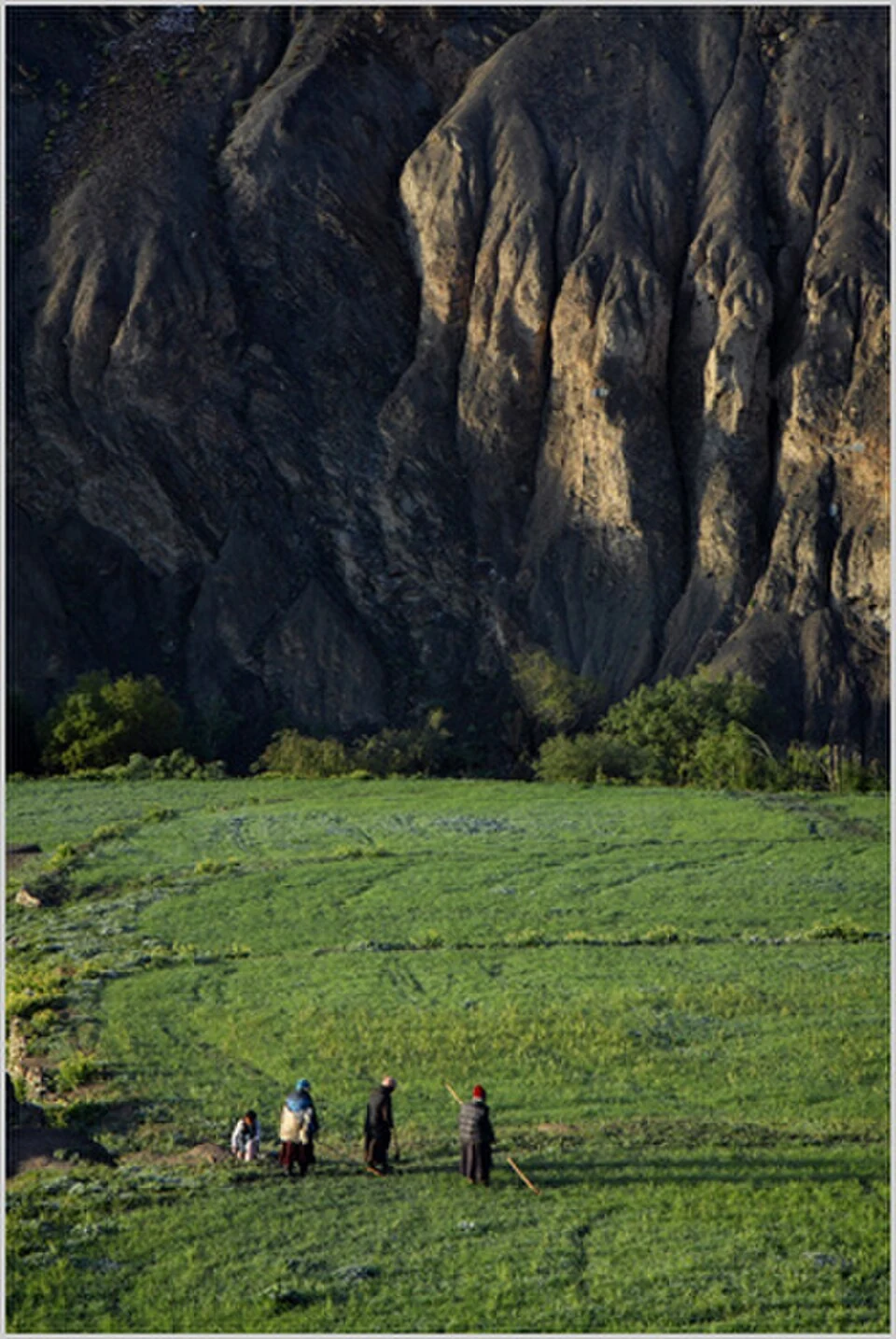
Barley in Ladakh: Cultivation and Regional Food Traditions
Barley is a cereal grass cultivated for its grain. In Ladakh it forms part of the relationship between farming, household food and a limited mountain
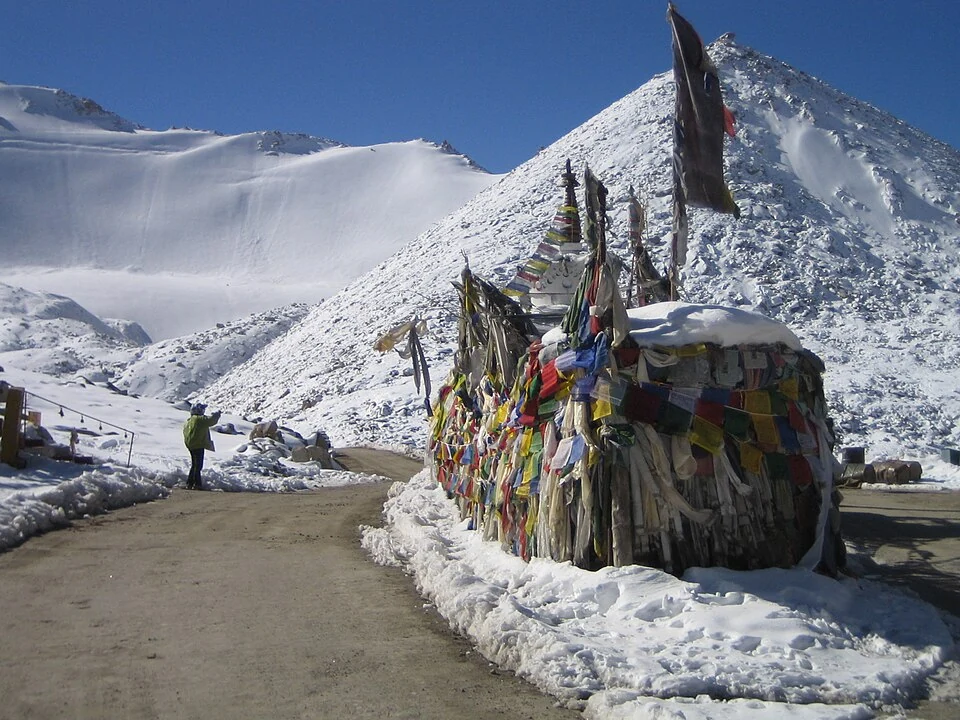
Chang La: A High Pass on the Route towards Pangong
Chang La is a high mountain pass in Ladakh on the road corridor towards Durbuk, Tangtse and Pangong. It connects the Leh-side approaches through Karu
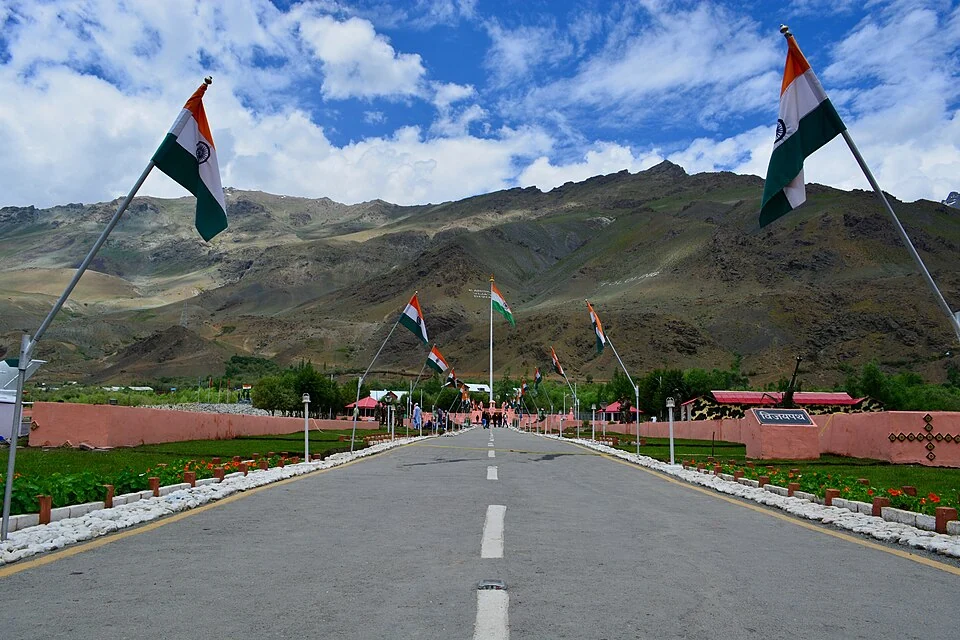
Drass War Memorial: Remembrance and the Kargil Conflict
The Drass War Memorial, also called the Kargil War Memorial, is an Indian Army-built memorial associated with the 1999 Kargil conflict. It stands in t