
Dumhal: A Ceremonial Dance Tradition of Kashmir
Dumhal is a ceremonial dance tradition associated with Kashmir and the Watal community. Reference descriptions identify male performers wearing long coloured robes and tall conical headgear. The combination of dress, chorus and ordered movement gives the form a distinctive presentation, although any particular performance should be identified by its own occasion and participants.
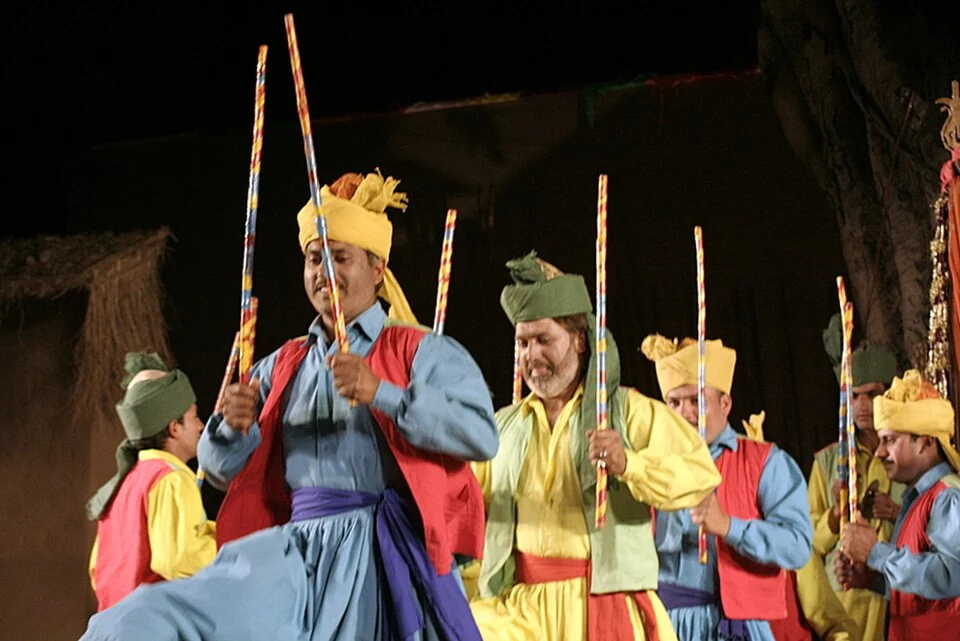
Dumhal is a ceremonial dance tradition associated with Kashmir and the Watal community. Reference descriptions identify male performers wearing long coloured robes and tall conical headgear. The combination of dress, chorus and ordered movement gives the form a distinctive presentation, although any particular performance should be identified by its own occasion and participants.[1]
Chorus and ceremony
Descriptions of Dumhal include singing supported by drums and an arrangement involving a banner placed in the ground. The dancers' movement around that focal point connects the performance to a ceremonial setting. These elements describe a recorded convention; they should not be taken as proof that every contemporary stage version follows an unchanged sequence.[1]
The Ganderbal administration's cultural overview also identifies Dumhal as a Kashmir-valley dance associated with Watal performers. This regional account supports its cultural placement without providing a complete history of every troupe or settlement. Community names and spellings can vary across English-language records.[2]
Recognising the form
Headgear is an easily recognised feature in a photograph, but visual recognition should be checked against the source caption. A similar-looking costume elsewhere does not establish that a photograph documents Dumhal. A reliable caption records the event and location and distinguishes performers from spectators.
The song and drumming require a different kind of record from the costume. Audio or complete video allows a listener to hear pacing and the relationship between chorus and movement. An illustrated encyclopedia entry can explain that relationship while acknowledging what its still image cannot show.
Compare Rouf and Bhand Pather. Their different formations and dramatic uses make them separate entries rather than interchangeable examples of a single dance. Pheran covers regional everyday clothing; ceremonial robes need their own identification. The Kupwara district association is editorial context for a regional tradition, not evidence of an exclusive origin or a public performance site. Dates and access to a particular event belong in the organiser's current programme.
Image and map record
Image: Ramesh Lalwani via Wikimedia Commons. Licence: CC BY 2.0. Recorded capture date: 2009-02-22 14:07:43. Resized and converted to WebP; image content unchanged. This is a dated view, not confirmation of the site’s present appearance.

Map marker: 34.526, 74.254. Editorial regional-context marker. This biography, craft or cultural tradition is not a single physical destination. The point is not a verified birthplace, residence, workshop, exclusive origin, performance venue or cultural boundary. View location on OpenStreetMap · View Google Maps · Google directions · OpenStreetMap directions.
Research checked: 14 October 2026. For a visit, confirm current access, transport and opening information with the relevant authorities. This encyclopedia profile provides geographical and historical context.
Sources & references
[1] Reference overview: Dumhal
https://en.wikipedia.org/wiki/Dumhal ↗
[2] Ganderbal administration: culture and heritage
https://ganderbal.nic.in/culture-heritage/ ↗
Image and licence
Related reading
Bhand Pather: Theatre and Performance in Kashmir
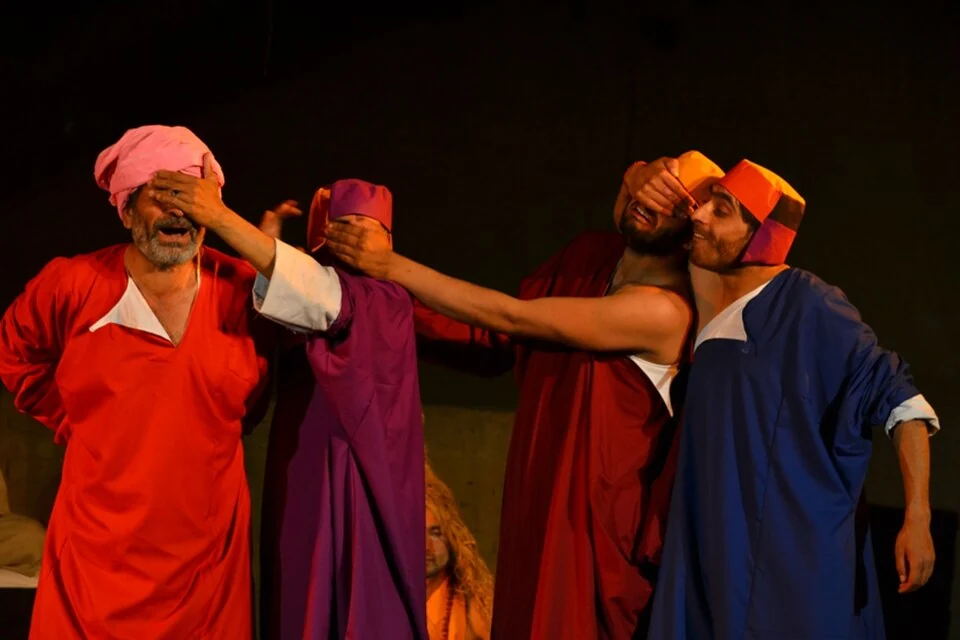
Bhand Pather is a Kashmiri folk-theatre tradition combining dramatic scenes, movement, music and satire. Its performers use characters and situations
Kashmir Walnuts: Orchards, Harvest and Regional Trade
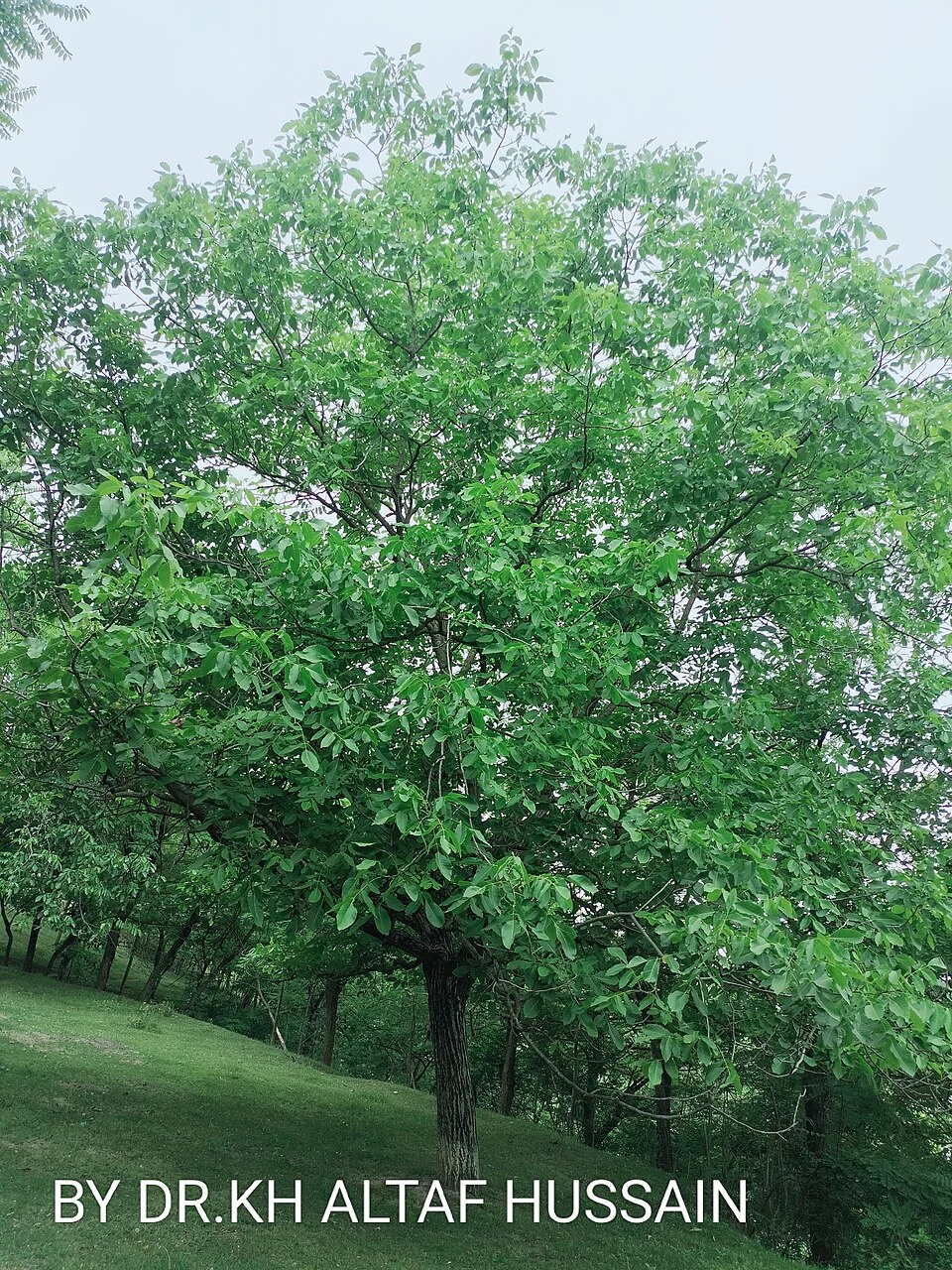
Walnuts connect Kashmir’s tree-crop landscape with food processing, trade and household consumption. The edible kernel is enclosed within a hard shell
Kupwara: Town and District Headquarters in Northern Kashmir
Kupwara is a town and the administrative headquarters of Kupwara district in northern Kashmir. The shared name can refer either to the settlement or t