
Himalayan Monal: A Pheasant of Kashmir’s Mountain Forests
The Himalayan monal is a mountain pheasant occurring in the wider Himalayan region, including suitable habitats in Kashmir.
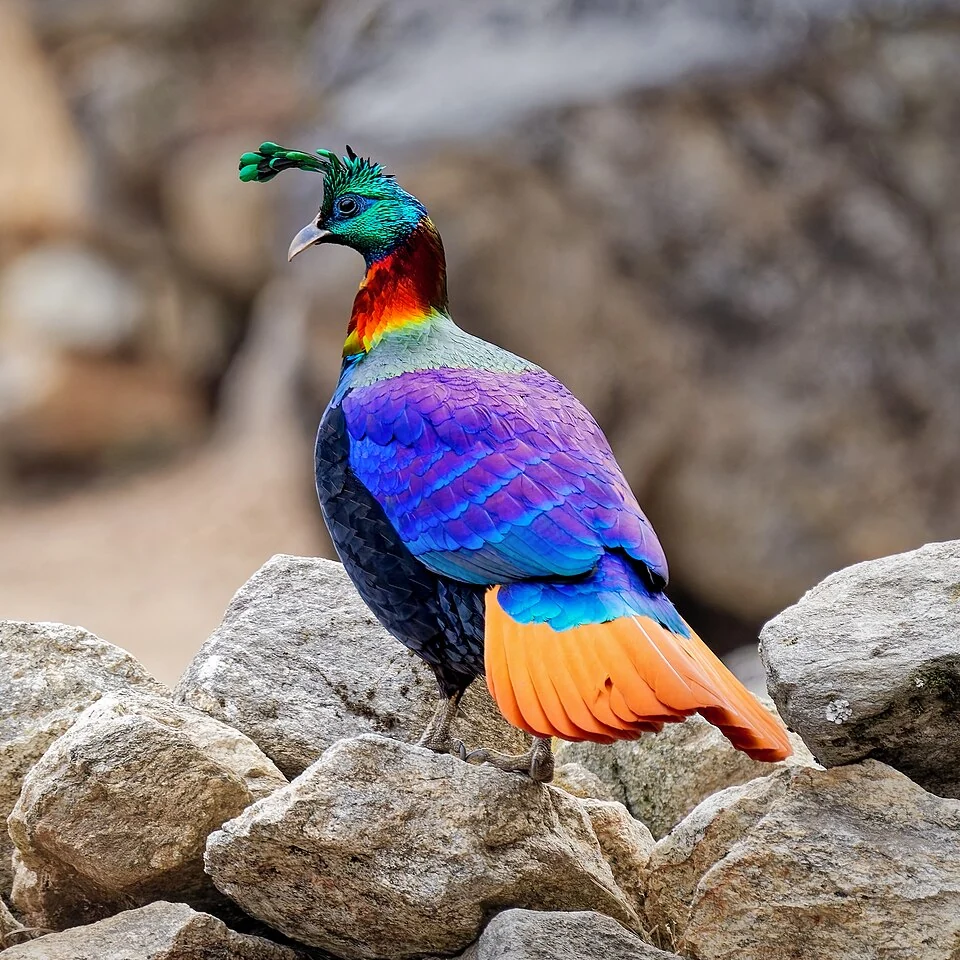
The Himalayan monal is a mountain pheasant occurring in the wider Himalayan region, including suitable habitats in Kashmir. Adult males are known for iridescent plumage and a crest, while females have a less conspicuous appearance. Their different colouring means that one photograph of a male is not a complete guide to recognising every bird of the species.[1]
A pheasant in mountain habitats
Monals use mountain slopes and vegetation in ways that change with season and local conditions. Their feeding includes searching on or within the ground, so the habitat story involves more than the trees visible behind a perched bird. Elevation bands are broad ecological descriptions, not exact boundaries at which an animal must stop occurring.[1]
The Dachigam Key Biodiversity Area account records Himalayan monal among the site's pheasants. This supplies a Kashmir-specific occurrence context. A site list documents records or recognised habitat importance; it does not guarantee that a visitor will see the species during a short walk.[2]
Identification and observation
Lighting changes the apparent colour of iridescent feathers. A photograph taken in one direction can look different from another view of the same bird. Shape, sex, age and behaviour should therefore be considered alongside colour when an observation is documented.
Photographs taken elsewhere within the species' range can illustrate identification, provided their locations are retained. They must not be relabelled as Kashmir sightings. The image accompanying this entry is a source-identified monal illustration; the caption distinguishes the photographed location from the regional focus of the article.
Read Dachigam for a protected habitat setting and Hangul for another regional animal. The Black-necked Crane entry contrasts a highland wetland bird with a mountain pheasant. A regional context marker helps orientation without identifying a guaranteed wildlife-viewing point, and birds should not be baited or disturbed to reproduce a photograph.
Photograph and map record
Photograph: Pratap Gurung via Wikimedia Commons. Licence: CC BY-SA 4.0. Recorded capture date: 2025-05-01. Resized and converted to WebP; scene content unchanged. This is a dated view, not confirmation of the site’s present appearance.

Map marker: 34.301, 75.293. Editorial regional-context marker for Ganderbal. This subject is not a single physical destination: the point is not a birthplace, workshop, harvest site, species range, guaranteed wildlife locality or boundary of language use. View location on OpenStreetMap · View Google Maps · Google directions · OpenStreetMap directions.
Research checked: 14 October 2026. For a visit, confirm current access, transport and opening information with the relevant authorities. This encyclopedia profile provides geographical and historical context.
Sources & references
[1] Himalayan monal — secondary historical/geographical overview
https://en.wikipedia.org/wiki/Himalayan_monal ↗
[2] Key Biodiversity Areas: Dachigam occurrence and habitat account
https://www.keybiodiversityareas.org/en/site/factsheet/18181 ↗
Photograph and licence
https://commons.wikimedia.org/wiki/File:Himalayan_Monal_at_Sagarmatha_National_Park,_Nepal.jpg ↗
Related reading
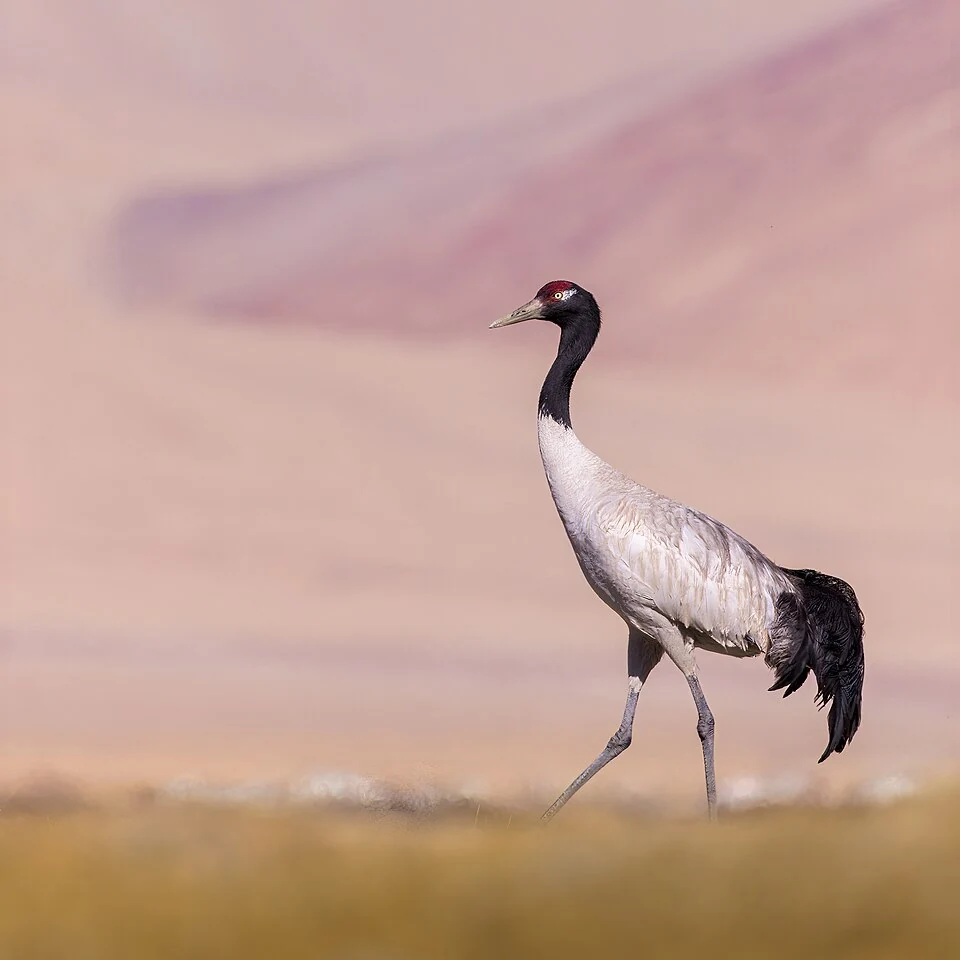
Black-necked Crane: Wetland Breeding Habitat in Ladakh
The black-necked crane is an important bird of Ladakh's high-altitude wetland landscapes.
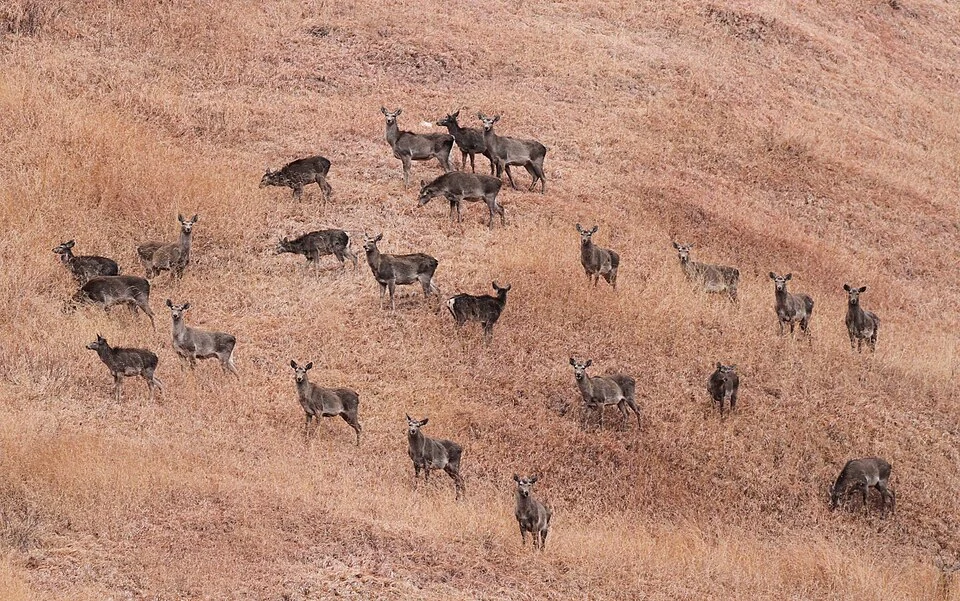
Hangul: Kashmir’s Red Deer and Its Conservation Setting
Hangul is the Kashmir red deer, a distinctive deer population closely associated with the Kashmir Valley and particularly Dachigam.
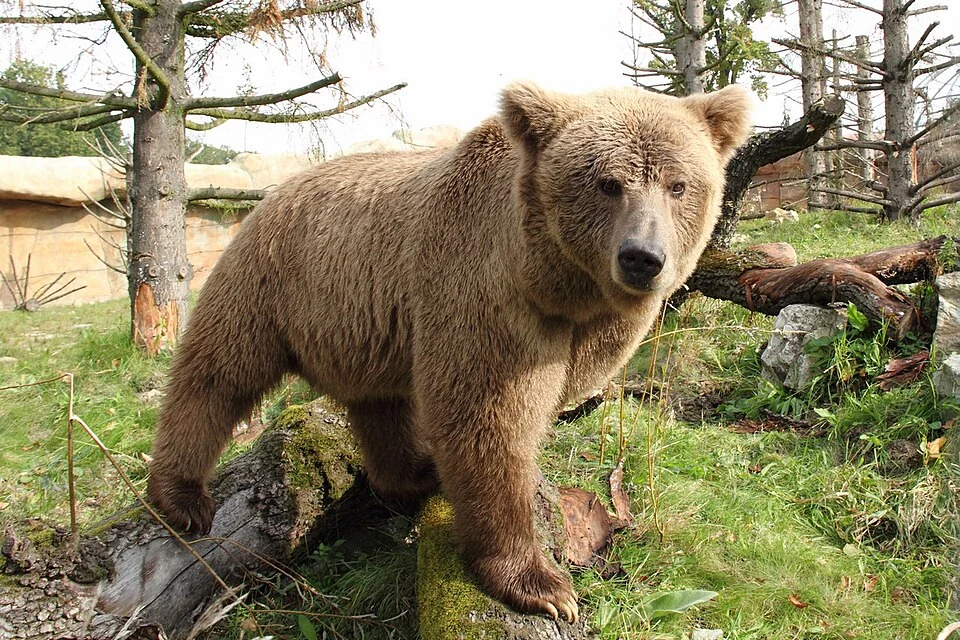
Himalayan Brown Bear: Mountain Ecology in Kashmir and Ladakh
The Himalayan brown bear is a mountain-associated form of brown bear found within the wider Himalayan region, including parts of Kashmir and Ladakh.