
Indian Astronomical Observatory: Research under Hanle’s Dark Sky
The Indian Astronomical Observatory is a research facility at Hanle in Ladakh's Changthang region, operated by the Indian Institute of Astrophysics.
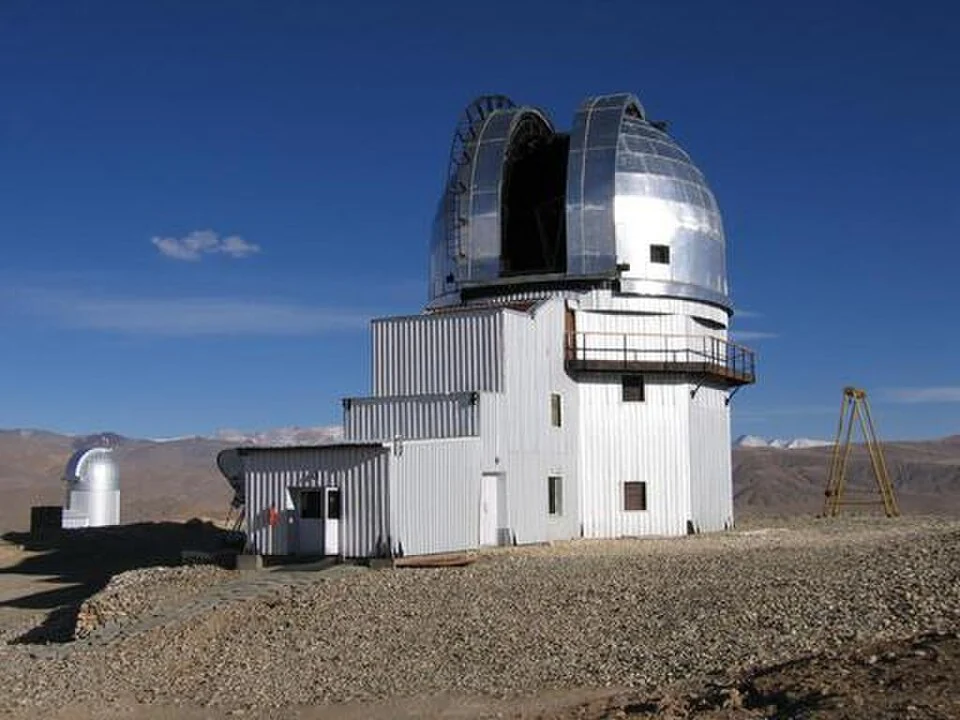
The Indian Astronomical Observatory is a research facility at Hanle in Ladakh's Changthang region, operated by the Indian Institute of Astrophysics. Its high-altitude, dry setting was selected for astronomical observation after site studies. The principal optical facility is the two-metre Himalayan Chandra Telescope, or HCT, on the hill known as Digpa-ratsa Ri or Mount Saraswati. The observatory is a working scientific institution within an inhabited valley.[1]
Instruments and remote observing
The HCT collects visible and near-infrared light for astronomical research. Remote operation links the Hanle instrument with the institute's facilities near Bengaluru, allowing observing work without every researcher being physically present on the mountain. The site also hosts instruments serving different observational purposes, including the robotic GROWTH-India telescope. Instrument names should not be used as though they identify the whole observatory.[2]
IIA describes GROWTH-India as a wide-field robotic telescope used to monitor transient events. This complements the larger HCT rather than duplicating its role. “Transient” refers to astronomical phenomena whose observed brightness or appearance changes over time; repeated observations allow researchers to study that evolution. A research programme therefore depends on both equipment and coordinated observations.[3]
Protecting an observing environment
The institute records the notification of the Hanle Dark Sky Reserve in December 2022. The reserve concerns the wider sky environment around the observing site, including artificial light, and is distinct from the observatory's buildings. Protecting darkness links scientific requirements with community participation and visitor activity.[4]
A clear-looking sky in a photograph is not a measurement of atmospheric stability or light pollution. Research sites are characterised through observations over time. Similarly, telescope aperture, altitude and image quality describe different properties: a claim that an instrument is the “best” cannot be established from one specification alone.
See Hanle village for the settlement and religious context, and Tso Kar for another high-altitude environment studied through different methods. IIA publishes a separate visitor-information page; current arrangements should be confirmed through that source. The supplied coordinate identifies the observatory area, not a public telescope that can be operated by anyone arriving at the gate.[5]
Photograph and map record
Photograph: Harikrishnank123 via Wikimedia Commons. Licence: CC BY-SA 3.0. Recorded capture date: Date not recorded. Resized and converted to WebP; scene content unchanged. This is a dated view, not confirmation of the site’s present appearance.

Map marker: 32.7794, 78.9642. Representative location from the secondary geographical record, not a surveyed boundary or verified visitor entrance. View location on OpenStreetMap · View Google Maps · Google directions · OpenStreetMap directions.
Research checked: 14 October 2026. For a visit, confirm current access, transport and opening information with the relevant authorities. This encyclopedia profile provides geographical and historical context.
Sources & references
[1] IIA: Indian Astronomical Observatory and site selection
https://www.iiap.res.in/centers/iao/ ↗
[2] IIA: two-metre Himalayan Chandra Telescope
https://www.iiap.res.in/centers/iao/facilities/hct/ ↗
[3] IIA: GROWTH-India telescope
https://www.iiap.res.in/centers/iao/facilities/growth/ ↗
[4] IIA: Hanle Dark Sky Reserve and December 2022 notification
https://www.iiap.res.in/outreach/hdsr/about/ ↗
[5] IIA: current observatory visitor information
https://www.iiap.res.in/outreach/visit-us/visiting-iao/ ↗
Photograph and licence
https://commons.wikimedia.org/wiki/File:Himalayan_chandra_telescope.jpg ↗
Related reading
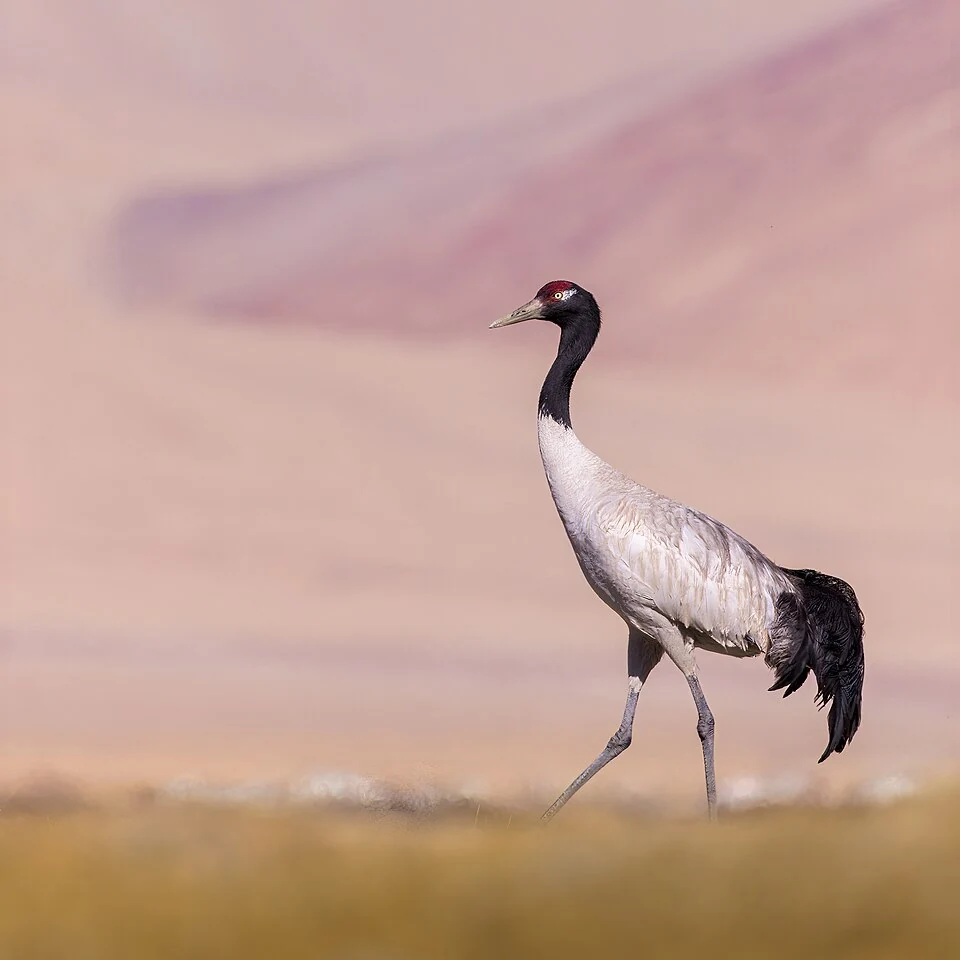
Black-necked Crane: Wetland Breeding Habitat in Ladakh
The black-necked crane is an important bird of Ladakh's high-altitude wetland landscapes.
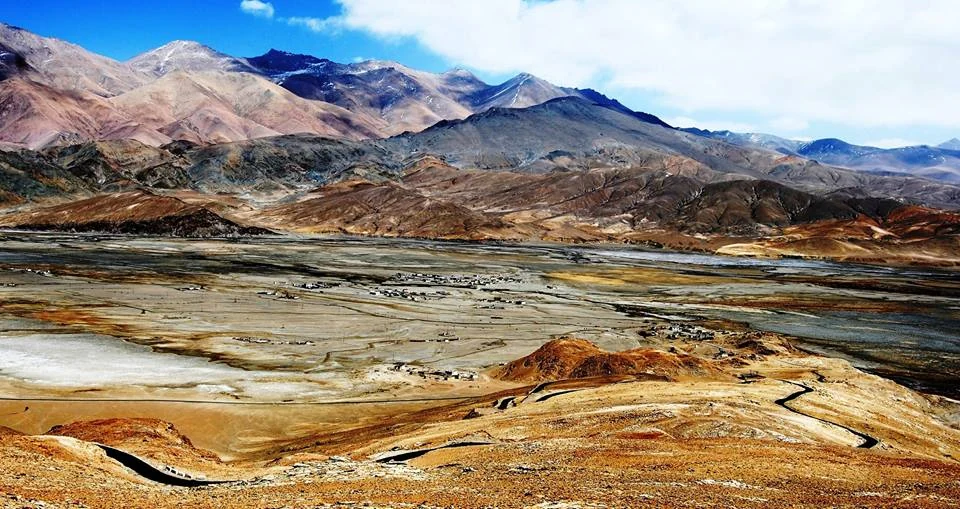
Hanle: Settlement, Monastery and the High-altitude Night Sky
Hanle is a settlement in the high-altitude Changthang region of Ladakh, in the valley of the Hanle river.
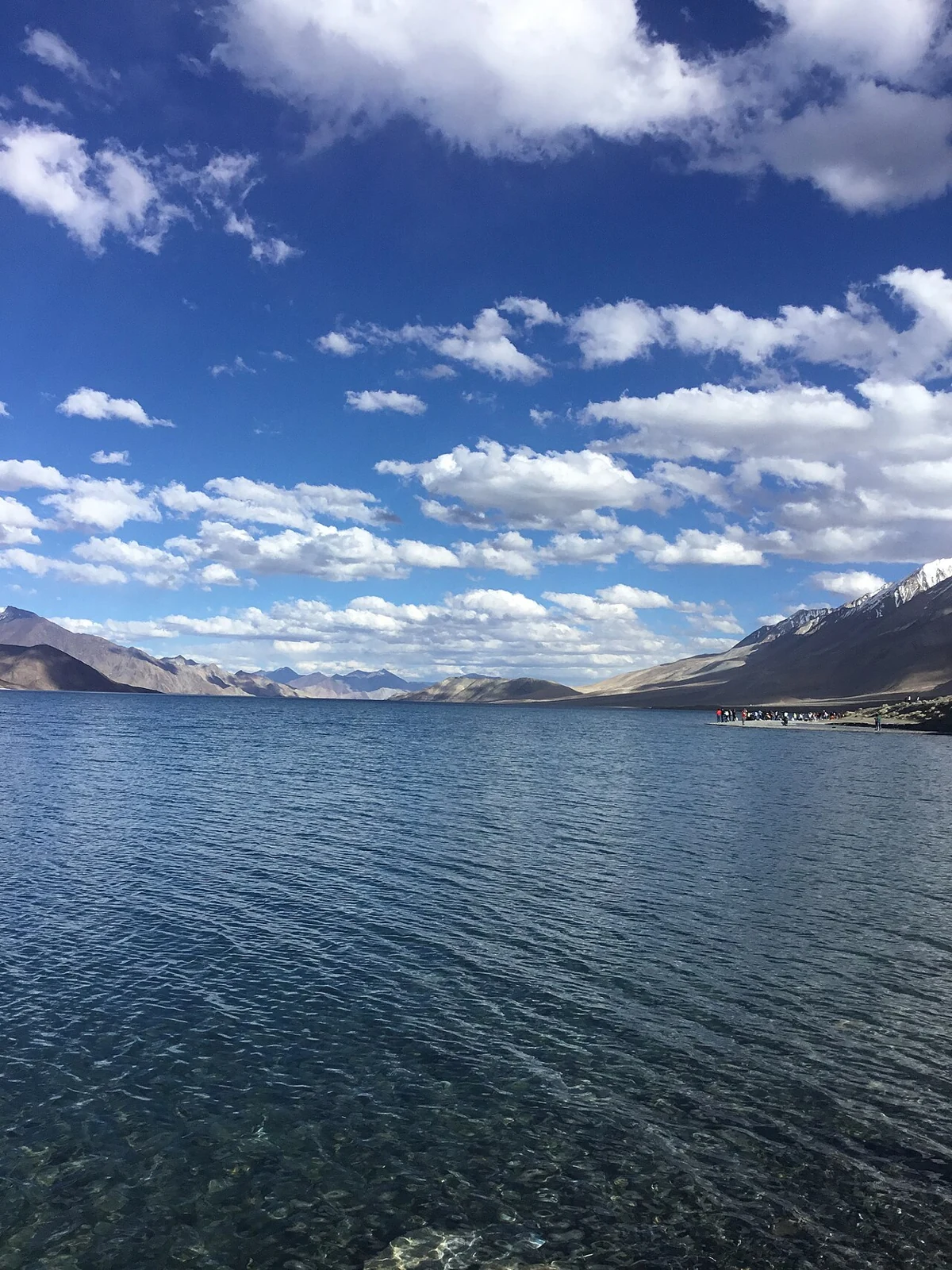
Pangong Tso: A Transboundary High-altitude Lake
Pangong Tso is an elongated, high-altitude lake extending across eastern Ladakh and the Tibetan plateau.