
Trout Farming in Kashmir: Cold Water and Fish Production
Trout farming in Kashmir is a cold-water aquaculture activity supported by hatcheries, flowing-water production systems and specialist fish husbandry. The regional Fisheries Department describes the historical introduction of trout and the later development of production facilities. Farming is distinct from catching wild fish: it involves managed stock, feeding and water conditions rather than relying only on a natur
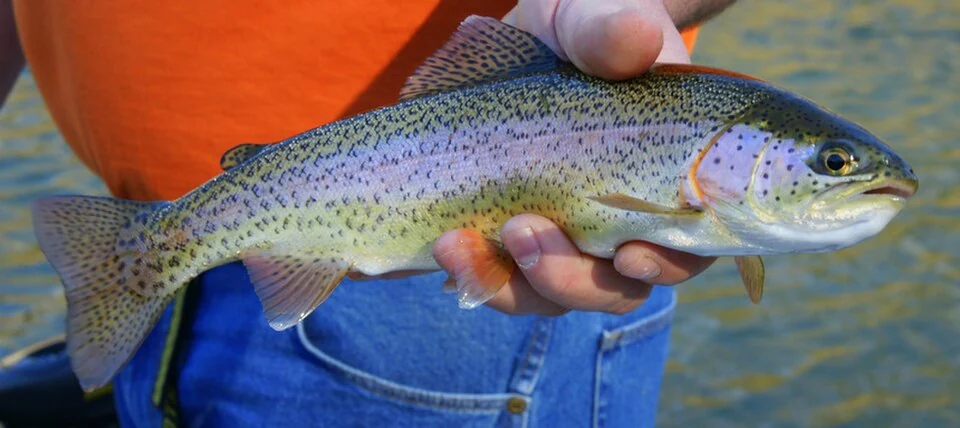
Trout farming in Kashmir is a cold-water aquaculture activity supported by hatcheries, flowing-water production systems and specialist fish husbandry. The regional Fisheries Department describes the historical introduction of trout and the later development of production facilities. Farming is distinct from catching wild fish: it involves managed stock, feeding and water conditions rather than relying only on a natural stream population. [1]
Introduction and development
The Fisheries Department records an unsuccessful shipment of trout eggs in 1899 and a successful arrival from Scotland in December 1900. These dates describe stages in an introduction process, not the founding of every later farm. Hatchery work and subsequent managed production developed over a longer period. [1]
An ICAR-published review examines the history and status of rainbow-trout farming in Jammu and Kashmir. It treats seed supply, production systems and development needs as connected parts of aquaculture. A functioning fish farm requires more than the presence of cold water: stocking material, husbandry, feed and a market also matter. [2]
Water as a production environment
A raceway is a managed channel through which water passes, allowing fish to be raised under controlled conditions. Its value depends on water quality and flow as well as physical construction. A channel that looks suitable in a photograph cannot be evaluated as a fish-production unit from appearance alone.
Hatcheries and grow-out facilities serve different stages. Producing eggs or young fish is not the same as raising fish to a saleable size. Understanding that distinction helps explain why a regional aquaculture network can contain several kinds of facility rather than a collection of identical ponds.
Livelihood and landscape
Trout farming links biological production with work in management, transport and sale. It can be compared with rice farming and orchard cultivation as another way regional livelihoods depend on environmental conditions. The map uses the Kokernag area as labelled aquaculture context, not a verified public entrance to a particular farm. The image is identified either as a documented local facility or as a representative trout illustration. Neither a scenic stream nor a species photograph should be presented as evidence that fishing is permitted at that location.
Image and map record
Image: Mike Anderson via Wikimedia Commons. Licence: CC BY-SA 3.0. Recorded capture date: 2009-02-02 15:06:19. Resized and converted to WebP; image content unchanged. This is a dated view, not confirmation of the site’s present appearance.
Map marker: 33.592, 75.302. Labelled regional/locality context marker; not a verified public entrance, pickup point, birthplace, residence, venue, trailhead, crop boundary or visitor route. View location on OpenStreetMap · View Google Maps · Google directions · OpenStreetMap directions.
Research checked: 15 October 2026. For a visit, confirm current access, transport and opening information with the relevant authorities. This encyclopedia profile provides geographical and historical context.
Sources & references
[1] J&K Fisheries Department: trout history and culture
https://jkfisheries.in/trout ↗
[2] ICAR-published research review: trout farming in Jammu and Kashmir
https://epubs.icar.org.in/index.php/FT/article/view/118882 ↗
Image and licence
https://commons.wikimedia.org/wiki/File:Female_Rainbow_Trout_in_hand.JPG ↗
Related reading
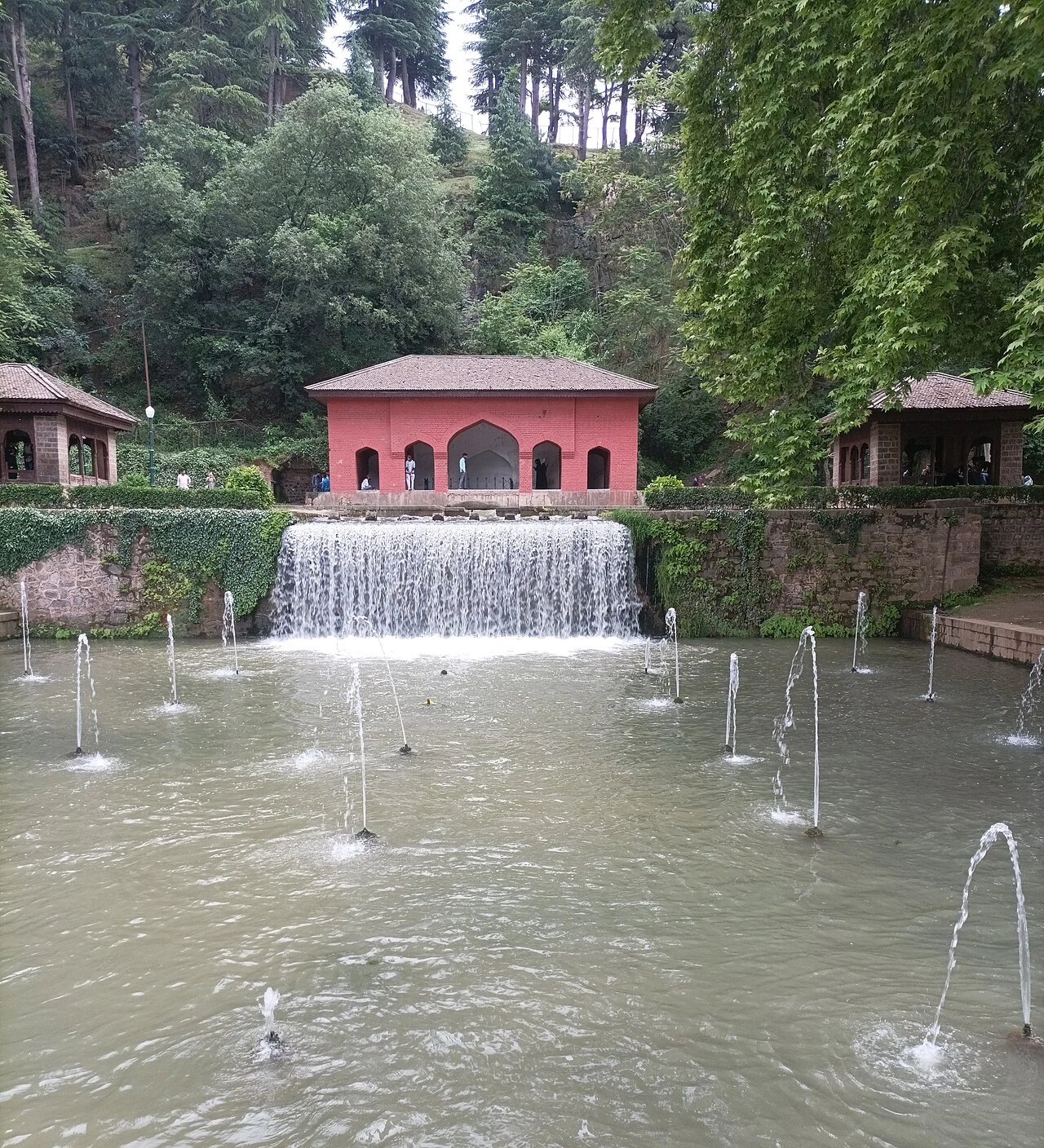
Achabal Garden: Spring-fed Terraces and Mughal Design
Achabal Garden is a Mughal garden in Anantnag district, arranged around a spring at the foot of a hill.
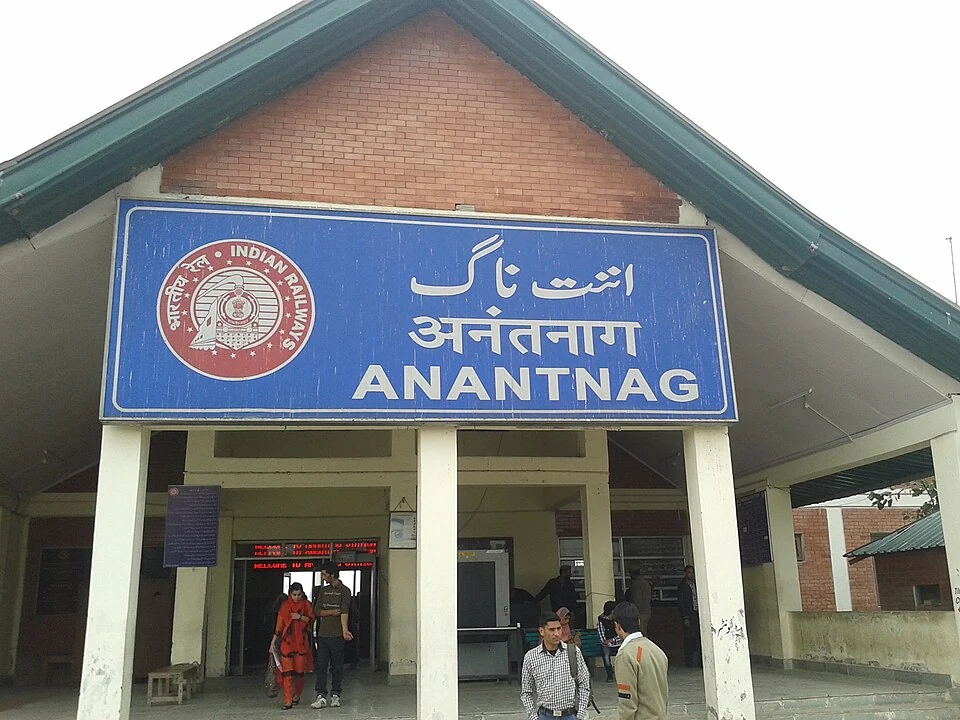
Anantnag Railway Station: Rail Access in Southern Kashmir
Anantnag railway station is a rail access point for southern Kashmir. It serves the Anantnag area within the Kashmir Valley corridor and is identified
Anantnag: Town, Springs and Southern Kashmir
Anantnag is a major town and district headquarters in southern Kashmir. The name also refers to the surrounding district, so town history and district