
Mahjoor: Poetry, Song and Modern Kashmiri Literary Life
Mahjoor was the pen name of Peerzada Ghulam Ahmad, a poet associated with the Kashmir Valley’s modern literary life. He lived from 1885 to 1952. His place in Kashmiri poetry concerns both poetic expression and the widening of subjects addressed through the language. A pen name identifies the writer and should not be confused with other people who share parts of his personal name.
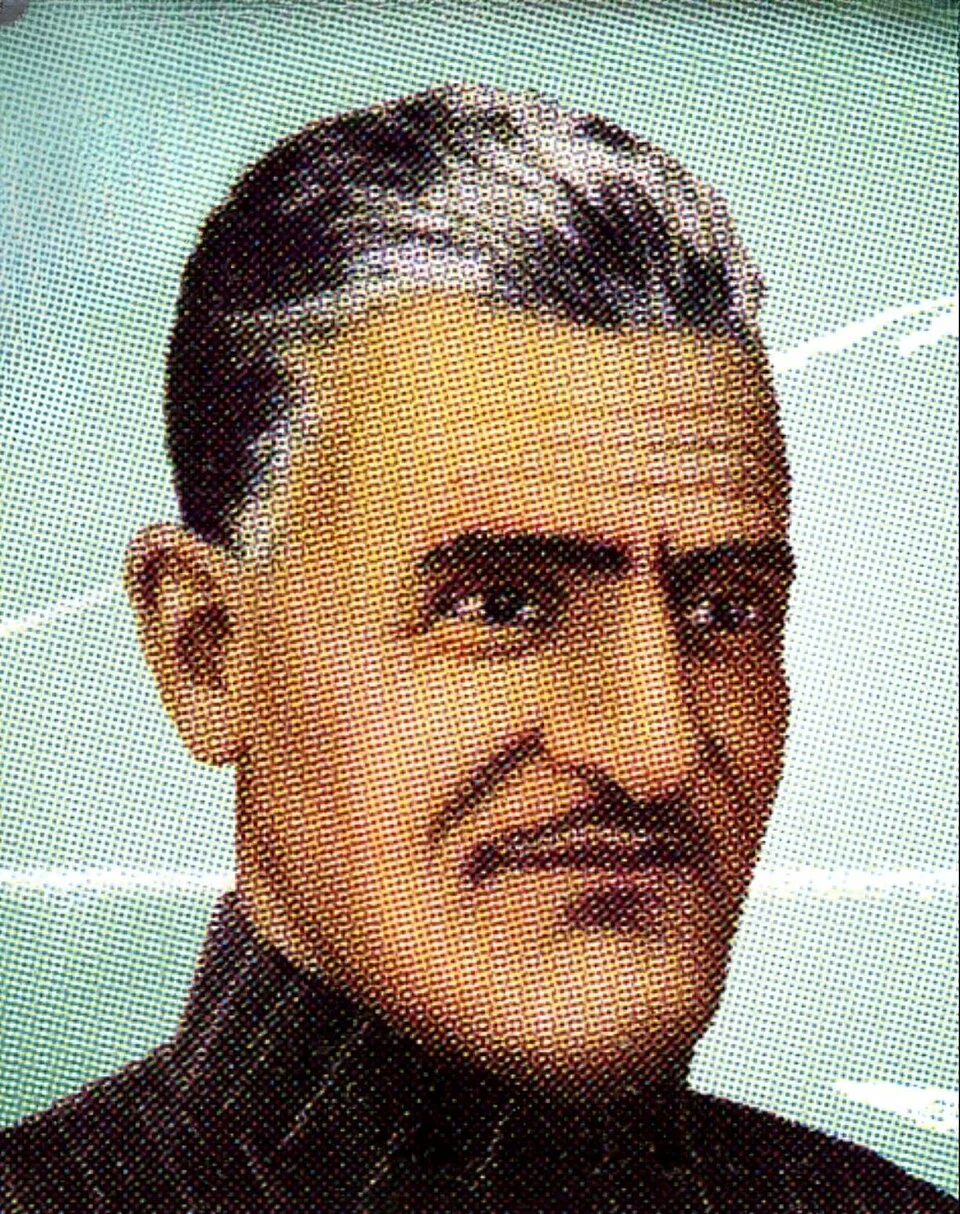
Mahjoor was the pen name of Peerzada Ghulam Ahmad, a poet associated with the Kashmir Valley’s modern literary life. He lived from 1885 to 1952. His place in Kashmiri poetry concerns both poetic expression and the widening of subjects addressed through the language. A pen name identifies the writer and should not be confused with other people who share parts of his personal name. [1]
Poetry in a living language
Accounts of Mahjoor emphasize a new direction in Kashmiri poetry and the introduction of themes beyond older conventions. This makes him a useful link between literary history and the changing social world of the twentieth century. The description concerns his contribution to a continuing tradition; it does not erase the importance of earlier poets such as Lal Ded and Habba Khatoon. [1]
A poet’s influence can operate through reading, recitation and singing. These forms of circulation are related but distinct: a printed poem, a performance and a later musical interpretation may reach different audiences. An encyclopedia should identify which form is being discussed rather than treating all versions as the writer’s own recorded voice.
Commemoration and evidence
India Post commemorated Mahjoor on a 2013 stamp. The selected image is a cropped view of that stamp and is explicitly a commemorative depiction, not a photograph taken during a contemporary performance. Its issue date belongs to the history of remembrance, whereas the poet’s life dates belong to biography. [2]
The distinction matters when building a visual record. A later portrait on a stamp can identify a public commemoration without proving the accuracy of every detail in the depiction. Keeping the credit, image type and date visible allows readers to understand what kind of evidence they are seeing.
Connections within literature
Read Mahjoor with Rahman Rahi, Dina Nath Nadim and the Kashmiri-language entry to compare different stages of modern literary work. Such links help readers move from a writer to the wider language tradition without implying that all poets shared a style or programme. The Srinagar point is regional literary context, not a verified birthplace, residence or memorial entrance. Poems themselves remain separate works; this profile does not reproduce their copyrighted text.
Image and map record
Image: India Post, Government of India via Wikimedia Commons. Licence: GODL-India. Recorded capture date: 2013-06-25. Resized and converted to WebP; image content unchanged. This is a dated view, not confirmation of the site’s present appearance.
Map marker: 34.083, 74.797. Labelled regional/locality context marker; not a verified public entrance, pickup point, birthplace, residence, venue, trailhead, crop boundary or visitor route. View location on OpenStreetMap · View Google Maps · Google directions · OpenStreetMap directions.
Research checked: 15 October 2026. For a visit, confirm current access, transport and opening information with the relevant authorities. This encyclopedia profile provides geographical and historical context.
Sources & references
[1] Wikipedia: Mahjoor (secondary overview)
https://en.wikipedia.org/wiki/Mahjoor ↗
[2] India Post commemorative stamp source record via Wikimedia Commons
https://commons.wikimedia.org/wiki/File:Mahjoor_2013_stamp_of_India_(cropped).jpg ↗
Image and licence
https://commons.wikimedia.org/wiki/File:Mahjoor_2013_stamp_of_India_(cropped).jpg ↗
https://data.gov.in/sites/default/files/Gazette_Notification_OGDL.pdf ↗
Related reading

Aali Masjid: Open Ground and a Historic Srinagar Mosque
Aali Masjid, also written Ali Masjid, is a historic mosque in Srinagar's Eidgah area.
Agha Shahid Ali: Poetry, Memory and Kashmir
Agha Shahid Ali was a Kashmiri-American poet who lived from 1949 to 2001. Born in New Delhi and raised in a family associated with Kashmir, he develop

Amar Singh College: Education, Campus Heritage and Institutional Change
The growth of an educational institution from a technical institute, with campus conservation and academic resources.