
Charar-e-Sharief: Nund Rishi, Memory and a Living Shrine
Nund Rishi’s remembered teaching, the shrine’s rebuilding and continuing devotion within Budgam.
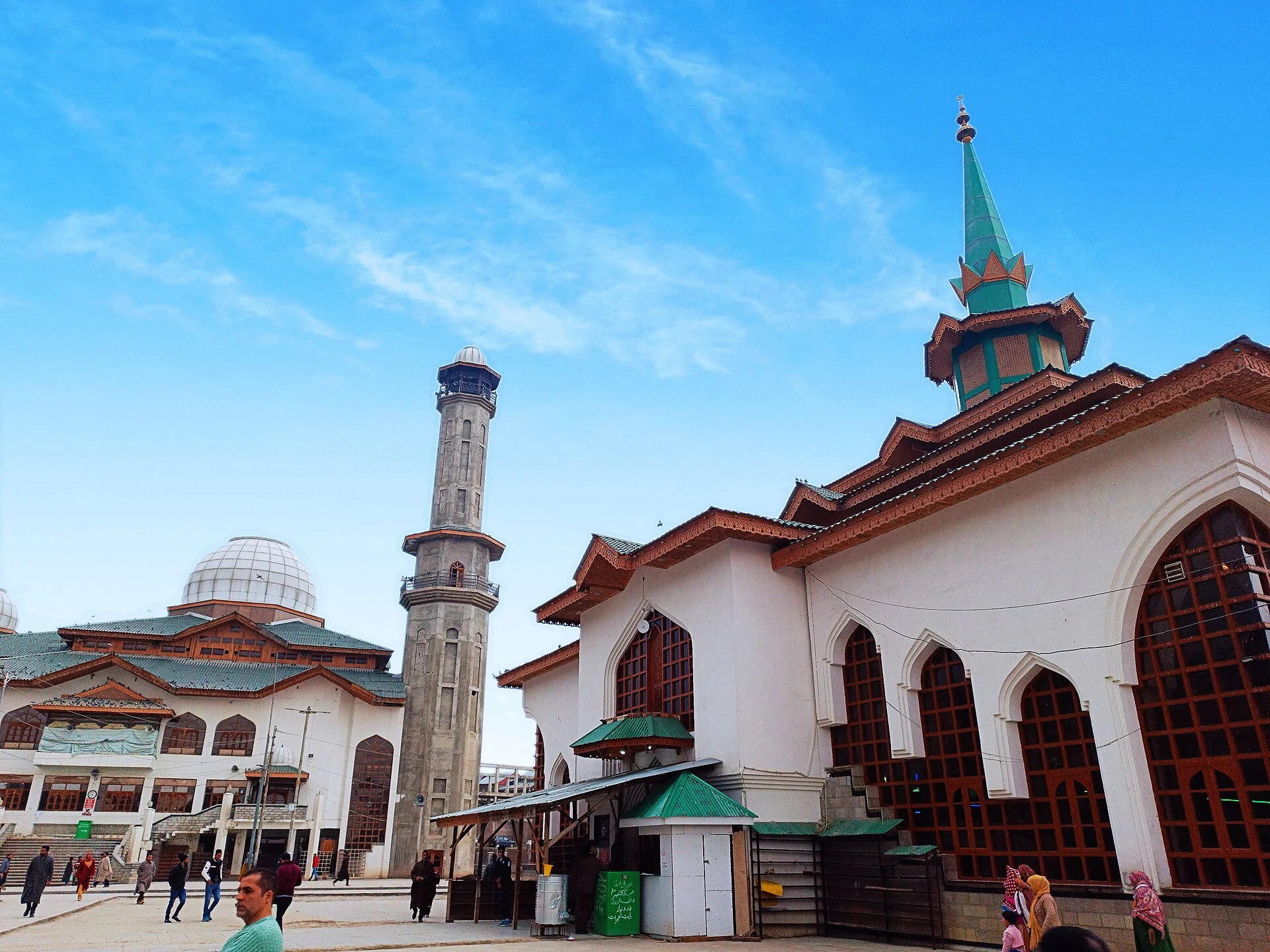
Charar-e-Sharief is a shrine and town in Budgam district, closely associated with Sheikh Noor-ud-din Noorani, known as Nund Rishi and Alamdar-e-Kashmir. The district’s history identifies his resting place here and records his wider association with places in Budgam. The saint, the shrine and the town are distinct subjects, but their relationship explains why Charar-e-Sharief has a place in Kashmir’s religious, literary and social history.[1]
Nund Rishi and the memory of a teacher
Nund Rishi is associated with Kashmir’s Rishi tradition and with religious teaching expressed in Kashmiri. His remembered sayings and poetry are often discussed through the term shruks. A biography of the saint follows his life and teaching, while a shrine profile follows the place where that memory is honoured. Combining the two requires care: the history of a present building is not the same chronology as the life of the person commemorated.[3]
The Budgam account places the saint’s travels and meditation within the district’s landscape. This creates a network of associations rather than a single isolated monument. Charar-e-Sharief’s importance is strengthened by those relationships, but an article should not treat every cave, spring or place mentioned in a devotional narrative as having independently verified archaeological evidence for a particular event.[1]
Shrine, destruction and rebuilding
The secondary shrine history describes a building developed and repaired through successive periods. It also records the destructive fire of 1995 and the subsequent reconstruction. The present shrine consequently embodies continuity of devotion alongside a significant break in the survival of earlier fabric. A modern photograph cannot be labelled as a view of an entirely unchanged medieval structure.[2]
Accounts of the 1995 events contain disputed explanations of responsibility. This entry records the destruction and rebuilding as the material history relevant to the site, without adopting unsupported blame from a partisan summary. Readers researching the conflict itself need dated reports and a wider source comparison. The shrine’s religious significance should not be reduced to that one episode.
A living institution within a town
The shrine is described as both a devotional place and a mosque. That combination makes it part of recurring religious life rather than solely a memorial visited to look at old architecture. The town around it has homes, civic institutions and ordinary movement as well as pilgrimage associations. Different spellings—Charar-i-Sharief, Charari Sharief and Tsrar-i-Sharif—refer to this related local geography, not necessarily to separate towns.[2]
The representative map marker is a locator for the shrine area. It does not establish every approach road, entry condition or arrangement during a major gathering. The image credit identifies when the photograph was taken and what it shows. Keeping those records alongside the historical account helps distinguish a view of the present precinct from descriptions of earlier structures.
Read Khanqah-e-Moula for another place associated with a major spiritual figure in Kashmir, and Hazratbal for a different devotional setting. Holy Family Church and Chatti Padshahi Gurdwara broaden the encyclopedia’s account of living religious institutions while retaining their different traditions.
Photograph and map record
Photograph: Gowhar Nabi Wani via Wikimedia Commons. Licence: CC BY-SA 4.0. Recorded capture date: 2023-02-26 15:31:57. Resized and converted to WebP; scene content unchanged. This is a dated view, not confirmation of the site’s present appearance.

Map marker: 33.86638889, 74.76666667. Representative coordinate from the secondary geographical reference; not a surveyed boundary or a verified accessible entrance. View location on OpenStreetMap · View Google Maps · Google directions · OpenStreetMap directions.
Research checked: 14 October 2026. For a visit, confirm current access, transport and opening information with the relevant authorities. This encyclopedia profile provides geographical and historical context.
Sources & references
[1] Primary place or institutional account
https://budgam.nic.in/history/ ↗
[2] Secondary historical and geographical reference
https://en.wikipedia.org/wiki/Charar-e-Sharief_shrine ↗
[3] Nund Rishi — Secondary literary and biographical reference
https://en.wikipedia.org/wiki/Nund_Rishi ↗
Photograph and licence
https://commons.wikimedia.org/wiki/File:Alamdar_e_Kashmir.jpg ↗
Related reading
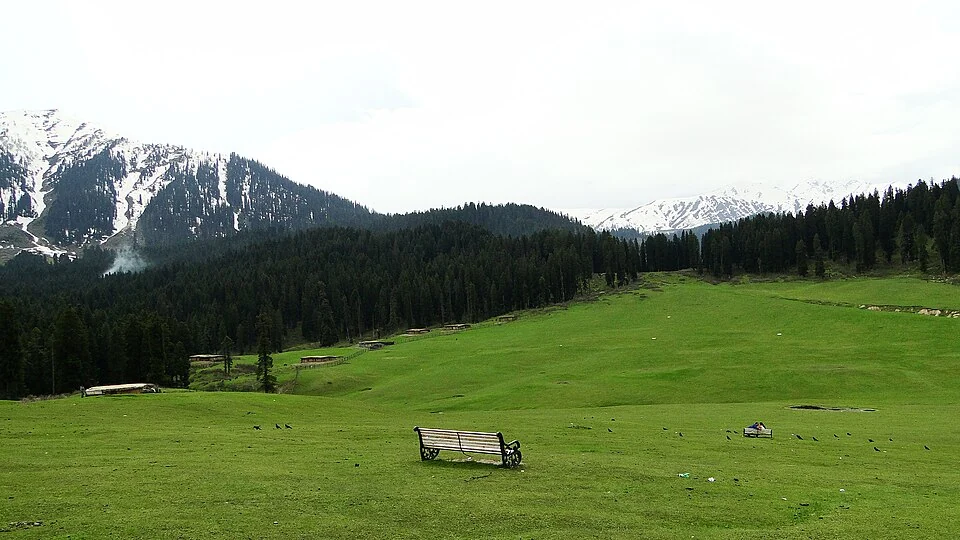
Doodhpathri: Meadow, Streams and the Budgam Uplands
Doodhpathri is a meadow destination in Budgam district's Khansahib area, in the Pir Panjal uplands.
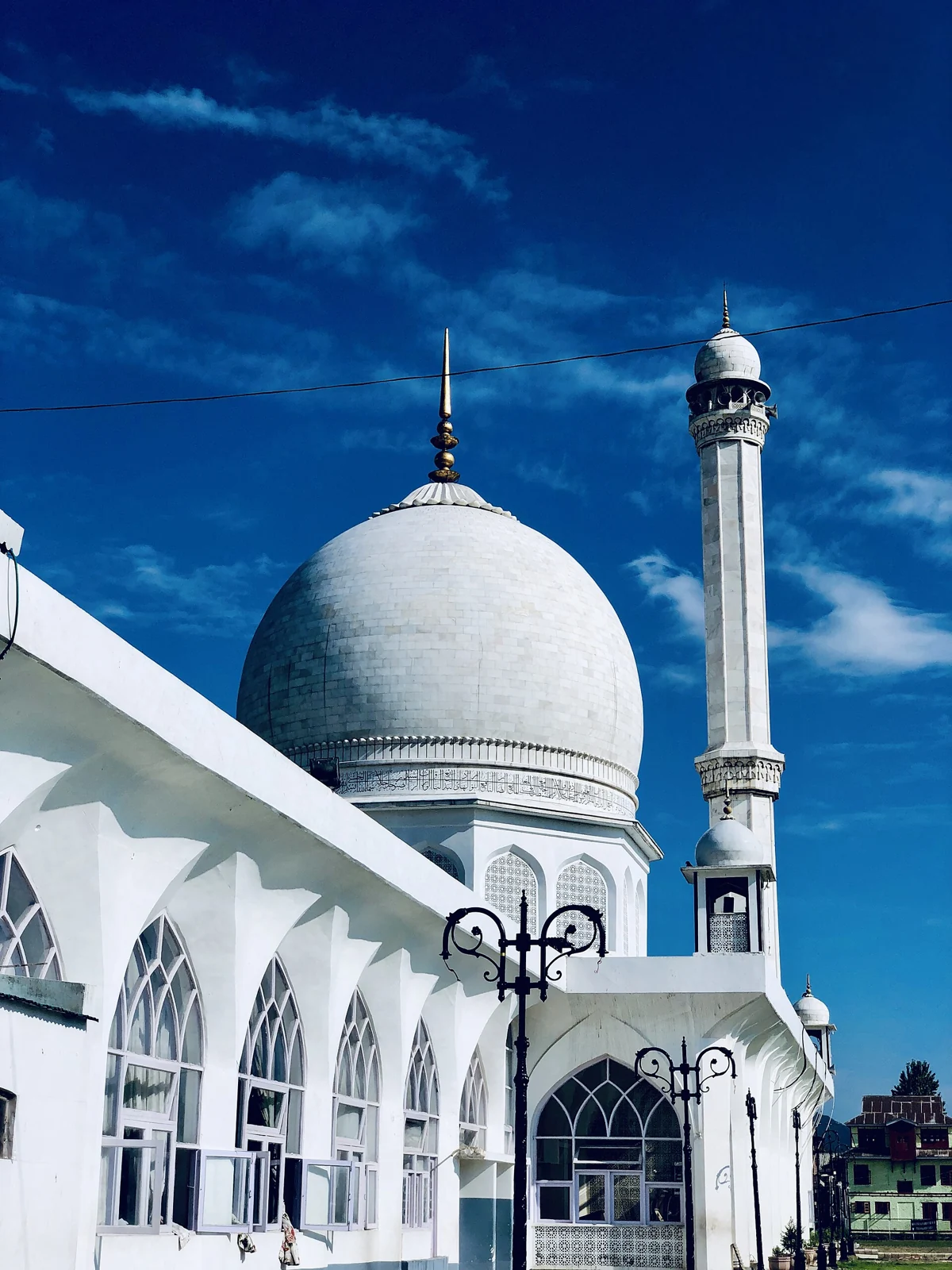
Hazratbal Shrine: Devotion, History and Lakeside Architecture
Hazratbal’s devotional traditions, relic associations and the history of its lakeside architectural setting.
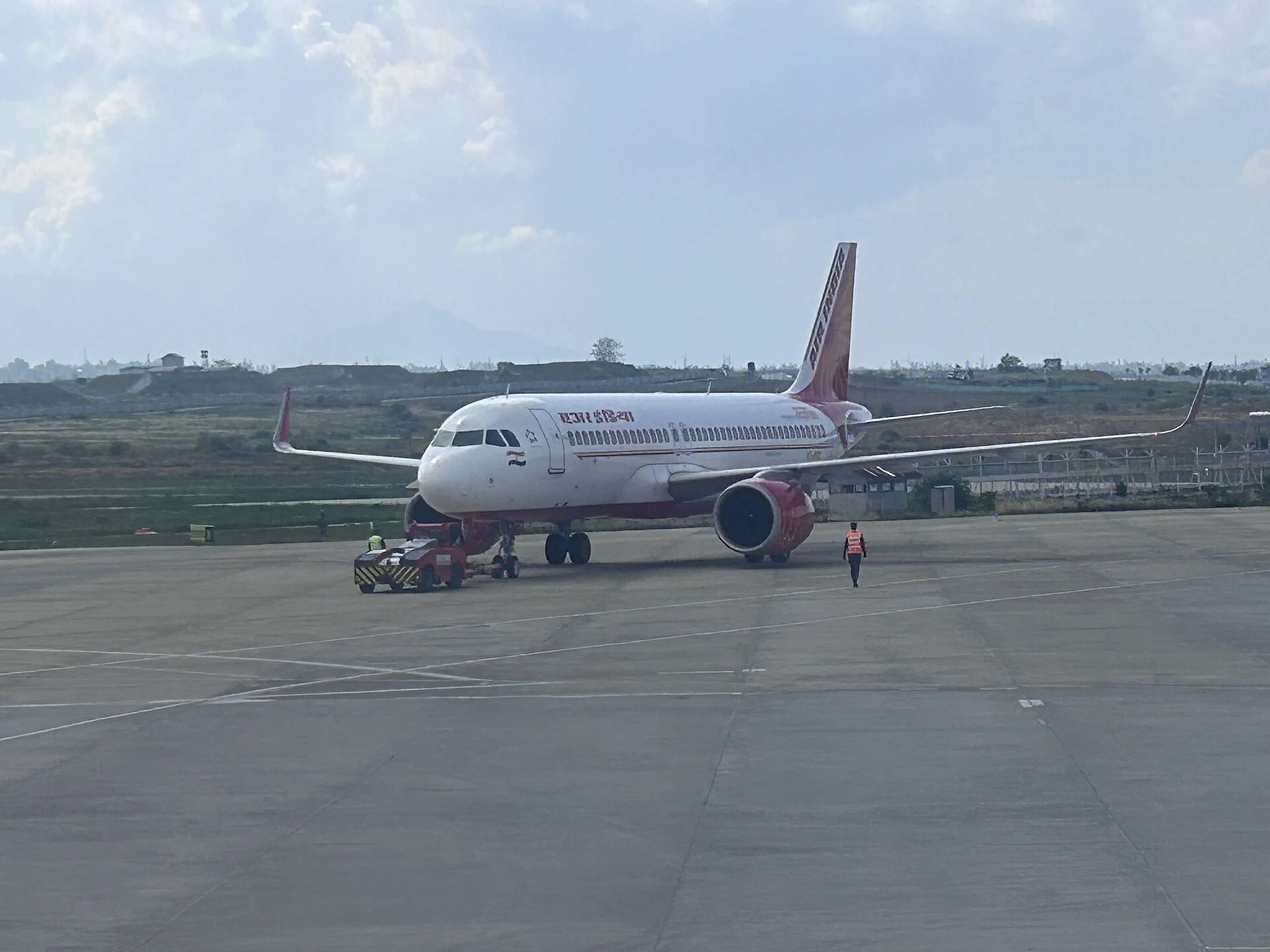
Srinagar International Airport: Civil Gateway, History and Passenger Information
Srinagar Airport’s Budgam location, civil-enclave arrangement, historical milestones and official sources for passenger information.