
Hazratbal Shrine: Devotion, History and Lakeside Architecture
Hazratbal’s devotional traditions, relic associations and the history of its lakeside architectural setting.
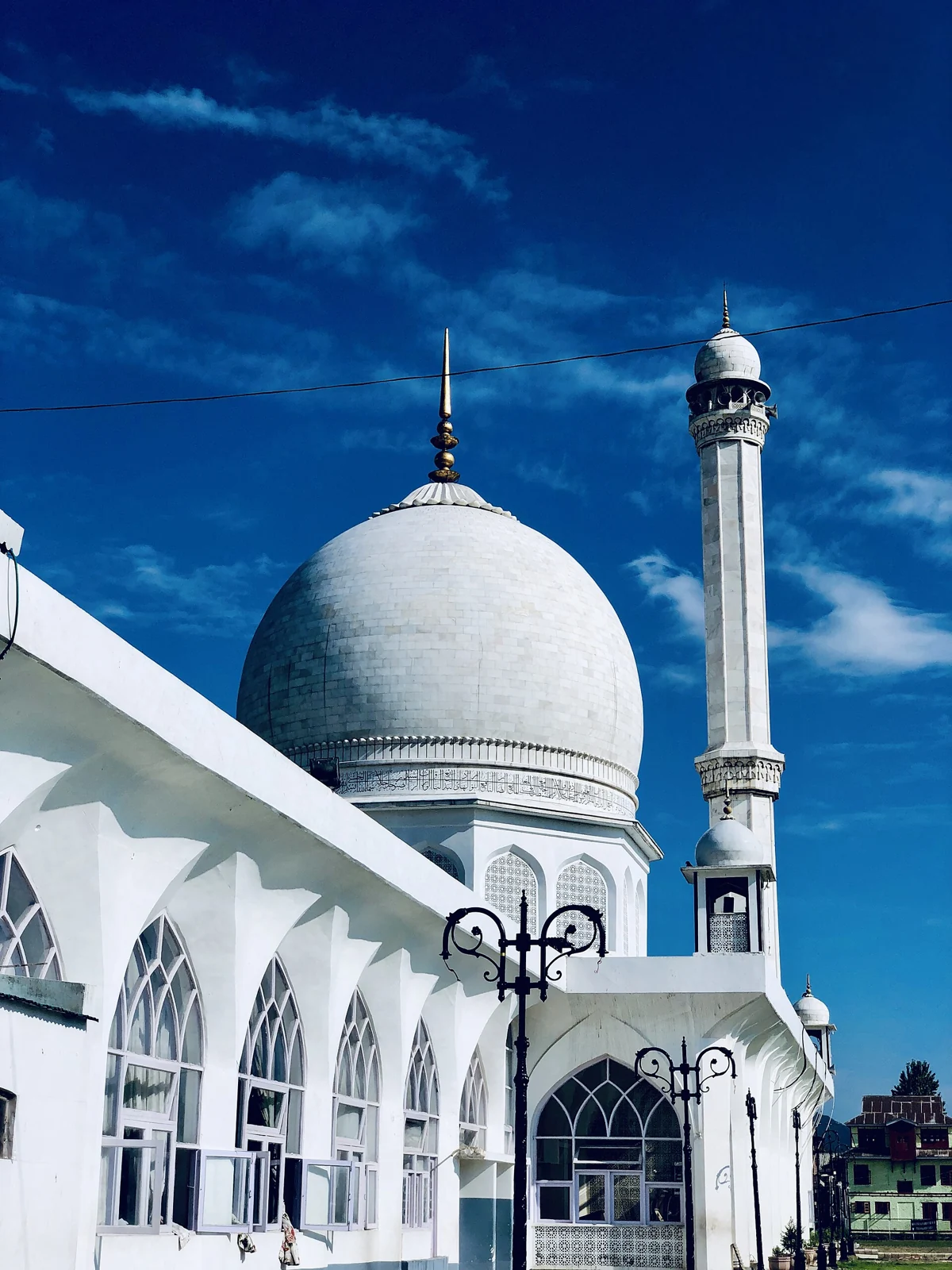
A lakeside place of devotion
Hazratbal Shrine is an important Muslim religious site in Srinagar, closely associated with Dal Lake and with the relic known as Moi-e-Muqqadas. Devotees revere the relic as a hair of the Prophet Muhammad. That statement describes a religious belief and devotional tradition; it is not presented as a scientific authentication of the relic. The Ministry of Tourism identifies the shrine’s religious significance and its white marble architecture. [1]
The Srinagar Heritage account locates Hazratbal on the northern side of the lake and records alternate names including Dargah Sharif and Assar-e-Sharif. Preserving these names helps readers connect different descriptions of the same site. Hazratbal also names a locality, so a reference to the neighbourhood need not mean only the shrine building. [2]
History and successive buildings
The Ministry’s narrative associates an earlier site with Sadiq Khan and records a change to a prayer space during Shah Jahan’s period. It links the shrine’s later devotional prominence with the arrival and placement of the relic. These are stages in the account’s history; they should not all be assigned to the present marble structure. [1]
The Srinagar Heritage account describes construction of the modern building beginning in 1968 and completion in 1979 under Sheikh Mohammad Abdullah’s supervision. Its chronology distinguishes the earlier religious site from the later architectural form. Older images can therefore differ markedly from the building represented in contemporary photographs. [2]
Architecture and the waterfront
The Ministry’s description identifies white marble and a domed structure as characteristic elements. In the included photograph, the dome, tall minaret and repeating arches are visible together. Their outlines and light surfaces give the image a different architectural character from the timber-roofed forms associated with Jamia Masjid. This comparison concerns visible form, not a ranking of religious importance. [1][4]
![[4]](https://commons.wikimedia.org/wiki/File:Dargah_Hazratbal,_Srinagar.jpg)
The lakeside setting also helps explain why Hazratbal appears in both religious and landscape accounts of Srinagar. A photograph can show the relationship between water and architecture, while a devotional account explains associations not visible in the frame. Both kinds of evidence need clear attribution.
Relic displays and communal occasions
The heritage account states that the relic is displayed on special religious occasions. Such events are central to the shrine’s devotional identity, but a general reference does not establish the date, time or arrangements of the next display. Those details should come from the responsible current authority. [2]
The Jammu and Kashmir Waqf Board lists Hazratbal among its shrine-related information. Its official site is a useful starting point for institutional context, alongside local instructions at the shrine. A visitor should distinguish an official notice from an undated travel listing when planning around a religious event. [3]
Visitor conduct
Observe the instructions of custodians and worshippers concerning entry, footwear, dress and photography. Avoid blocking routes or taking close photographs of people without permission. During large gatherings, allow additional time and follow crowd-management directions. This entry does not prescribe a fixed tourist opening schedule for a place whose use includes daily worship and special occasions.
The photograph and map point
The supplied photograph is dated 3 August 2019 in its metadata. It records the shrine’s exterior from a particular perspective and carries its creator’s attribution and Creative Commons licence. The map marker uses the photograph’s published geotag. It therefore represents a documented photographic location, not a boundary of the precinct or a guarantee of access through that point. [4]
Related reading
Read Dal Lake for the wider waterside landscape and Nigeen Lake for a nearby connected water body. Nishat Bagh introduces another relationship between lake and architecture, while the Srinagar overview connects these places with other district subjects.
Photograph credit and map
Photograph: Zuck28, via Wikimedia Commons, CC BY 4.0. Resized and converted to WebP; no scene elements altered. Recorded date: 2019-08-03 16:30:18.
Map marker: Photo geotag; photographic location, not precinct boundary or approved entry point.
For regional airport, railway and bus connections, consult the district transport guide.
Research date: 13 October 2026. Confirm changing access arrangements before travelling.
Sources & references
[1] Ministry of Tourism — Hazratbal Mosque
https://www.incredibleindia.gov.in/en/jammu-and-kashmir/srinagar/hazratbal-mosque ↗
[2] Srinagar Heritage — Hazratal
https://srinagarheritage.in/p/hazratal ↗
[3] Jammu and Kashmir Waqf Board — shrine listing (index verified)
https://waqfboard.jk.gov.in/shrines.aspx ↗
[4] Photograph source and licence
https://commons.wikimedia.org/wiki/File:Dargah_Hazratbal,_Srinagar.jpg ↗
[5] District Srinagar — regional transport guide
Related reading
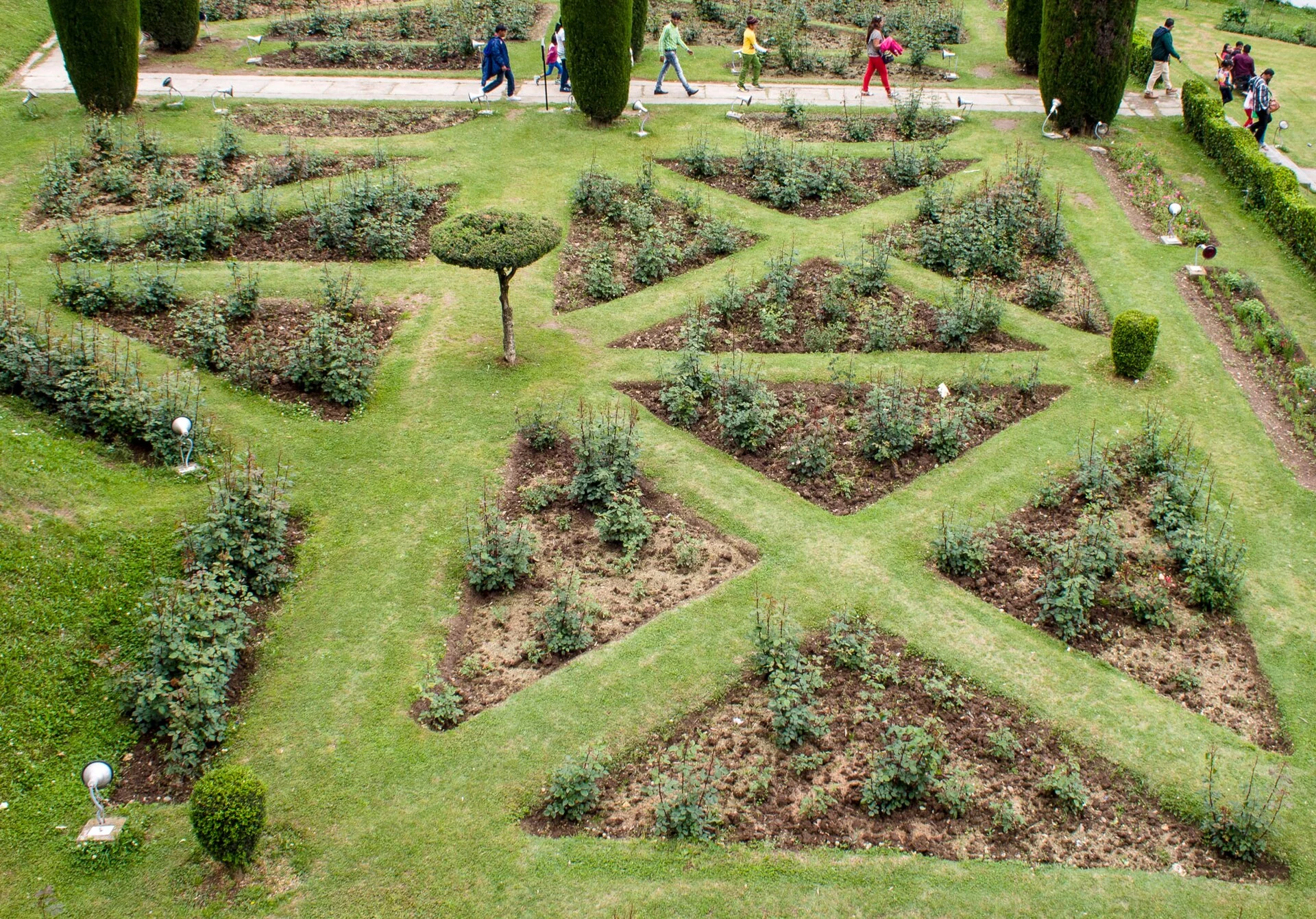
Chashma Shahi: The Royal Spring and Its Mughal Garden
The spring-centred design, Mughal commission, traditions and setting of Chashma Shahi.
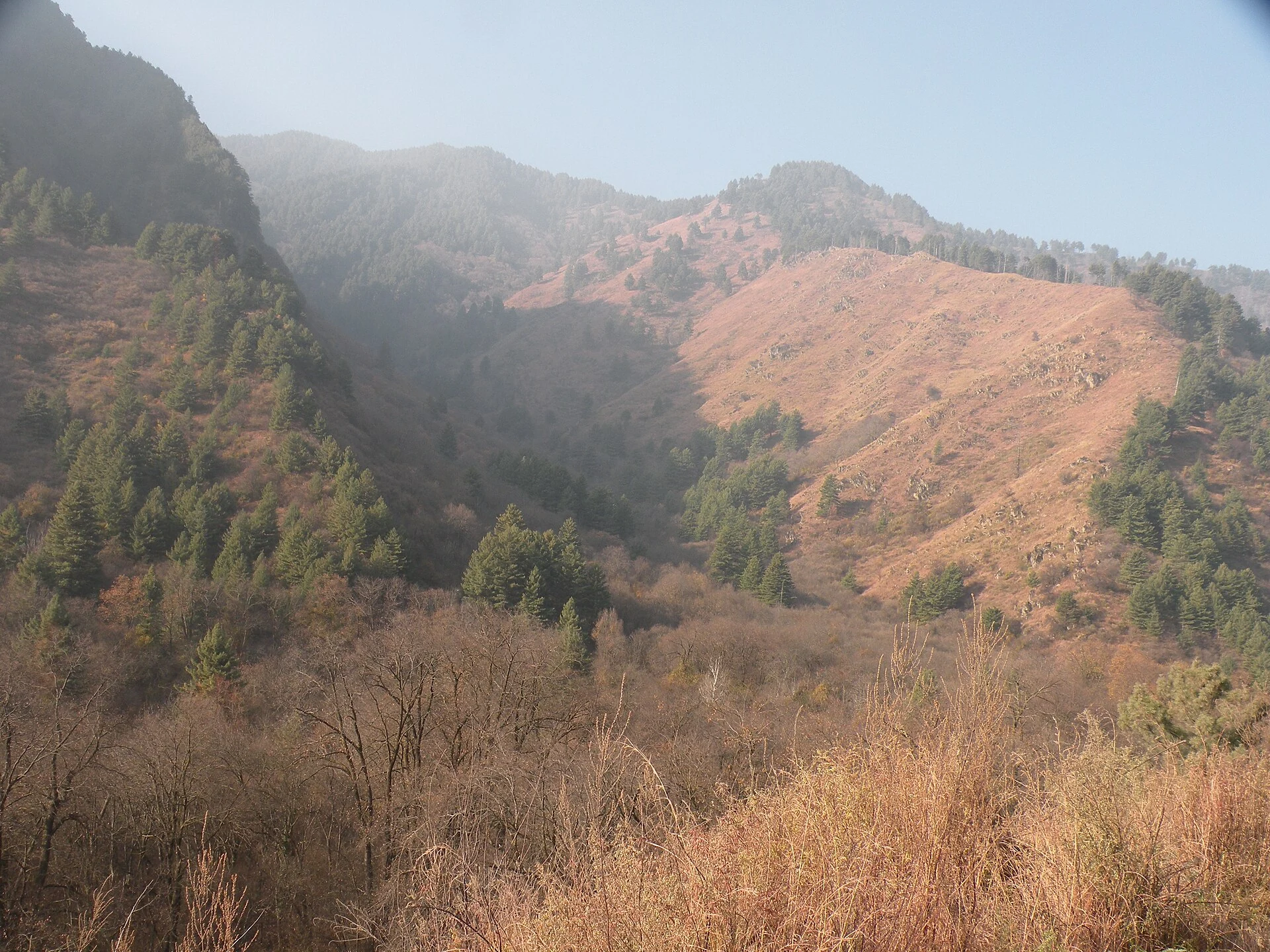
Dachigam National Park: Landscape, Hangul and Conservation
Dachigam’s protection history, varied terrain, water connections and wildlife-conservation context.
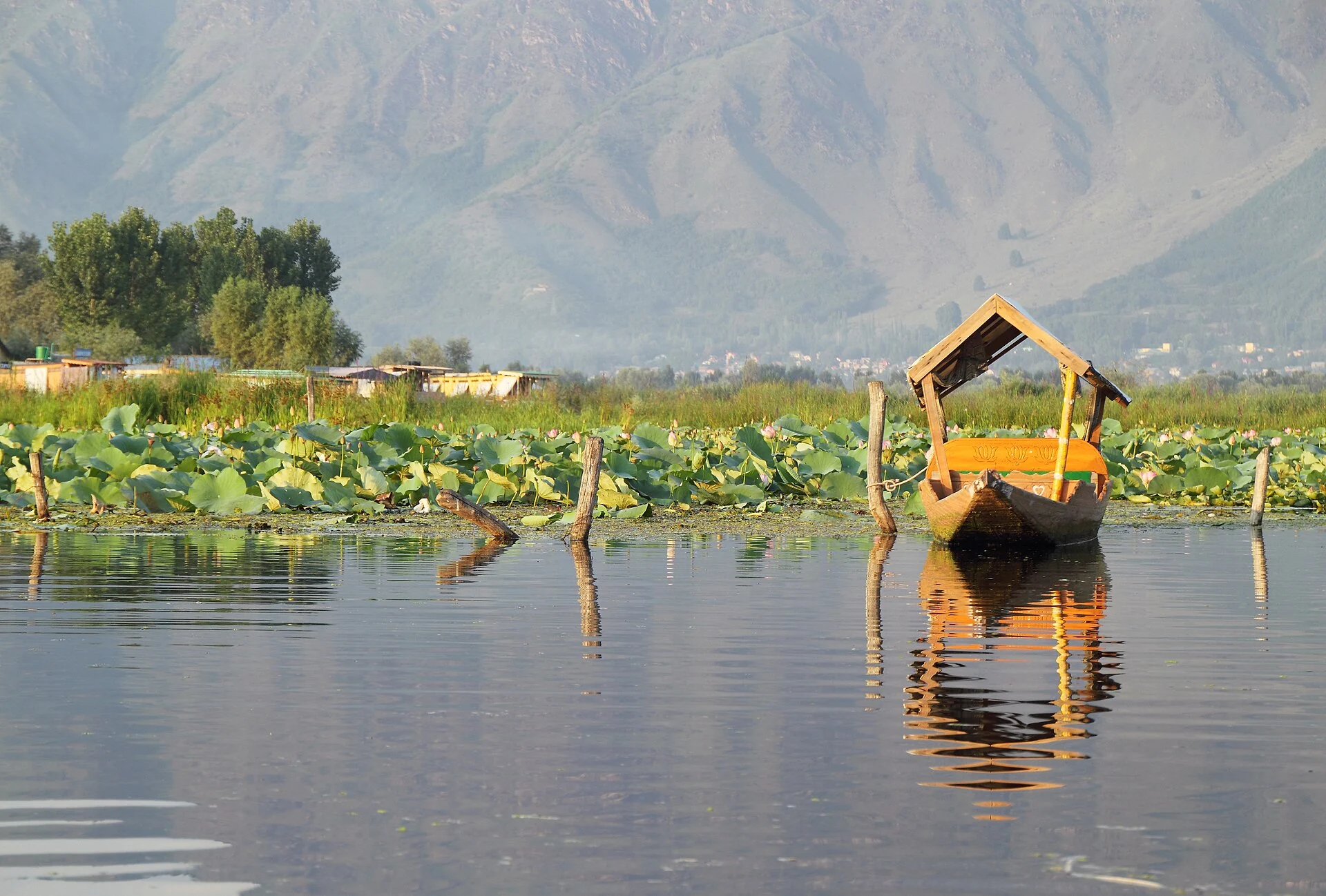
Dal Lake: Waterways, Floating Gardens and Life on the Lake
An introduction to Dal Lake’s connected basins, working waterscape, floating gardens, boats and cultural setting.