
Hari Singh: Monarchy and the Transition of 1947
Hari Singh was the last ruling Maharaja of the princely state of Jammu and Kashmir. He succeeded his uncle Pratap Singh in 1925 and ruled during the turbulent transition surrounding the end of British rule in 1947. His biography connects dynastic government with the political transformation of the region, rather than only with royal portraits and palaces.
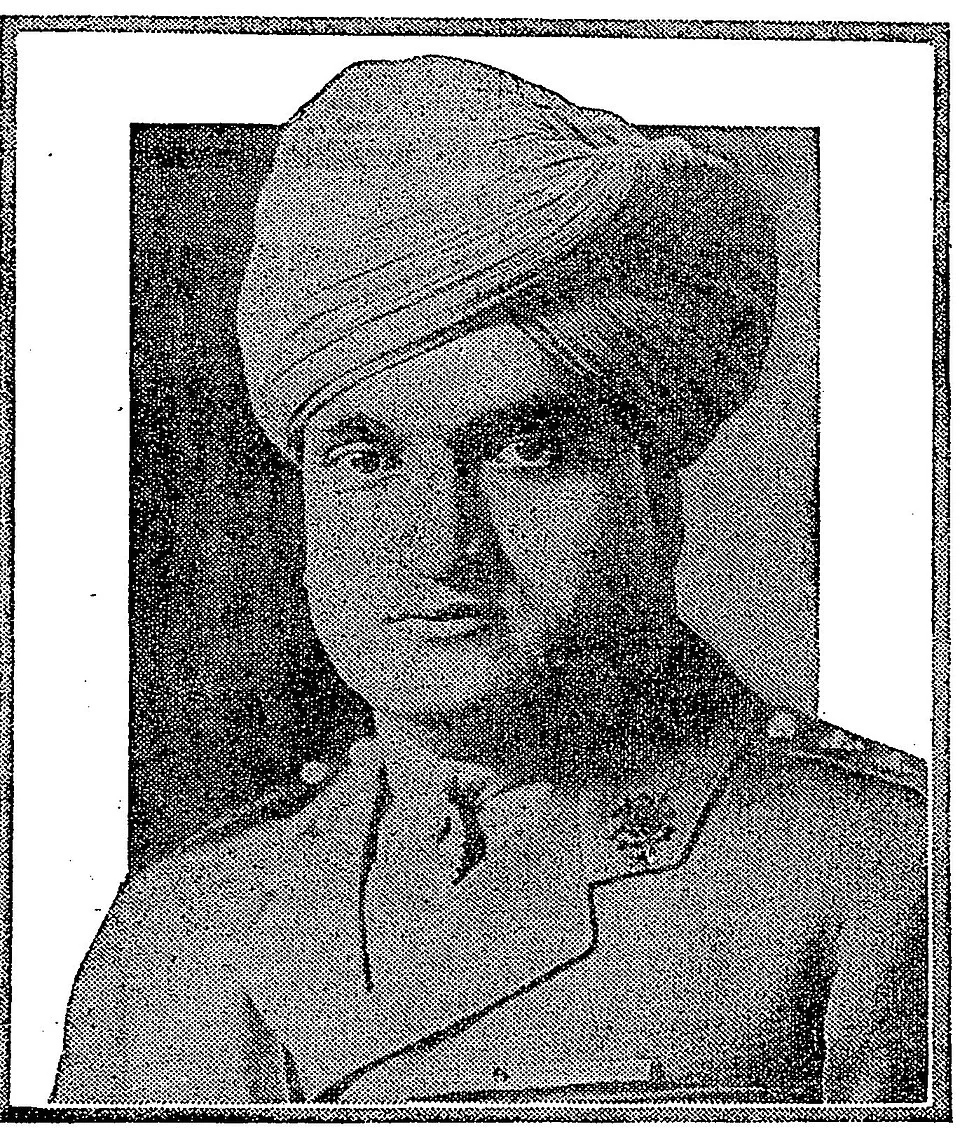
Hari Singh was the last ruling Maharaja of the princely state of Jammu and Kashmir. He succeeded his uncle Pratap Singh in 1925 and ruled during the turbulent transition surrounding the end of British rule in 1947. His biography connects dynastic government with the political transformation of the region, rather than only with royal portraits and palaces.[1]
Rule and the transition of 1947
Historical accounts record the accession to India in October 1947 in the context of rebellion, armed invasion and the collapse of the earlier princely arrangement. The wider Kashmir conflict and its consequences extend beyond one biography. Dates, documents and interpretations should be distinguished when explaining that transition.[1]
The Supreme Court's 2023 judgment on Article 370 includes a historical account of the princely state and its accession. It is a primary judicial document containing that account, not a substitute for every historical study of 1947. This entry uses it for chronology rather than offering legal guidance.[2]
Institutions and contested memory
Hari Singh's reign is remembered through institutional changes and through conflict over political representation. Accounts of reforms need to identify the measure, date and implementation instead of giving the whole reign a single approving or dismissive label. The experience of subjects was not necessarily the same as the image promoted by a court.
The events of 1947 also involved grave violence and displacement. A responsible biography should acknowledge that the period's human consequences cannot be explained solely through one ruler's decisions. Establishing responsibility for a specific event requires more evidence than a brief chronological profile can supply.
Read Pratap Singh for his predecessor, Gulab Singh for the dynasty's earlier political foundation and Mubarak Mandi for the palace context. The map provides Jammu orientation, not a boundary map of the former state. Portraits are dated historical representations, and their captions should not imply that a photograph from one occasion documents the events of a different year.
Image and map record
Image: International News Service via Wikimedia Commons. Licence: Public domain. Recorded capture date: 12-07-1924. Resized and converted to WebP; image content unchanged. This is a dated view, not confirmation of the site’s present appearance.


Map marker: 32.733, 74.867. Editorial regional-context marker. This biography, craft or cultural tradition is not a single physical destination. The point is not a verified birthplace, residence, workshop, exclusive origin, performance venue or cultural boundary. View location on OpenStreetMap · View Google Maps · Google directions · OpenStreetMap directions.
Research checked: 14 October 2026. For a visit, confirm current access, transport and opening information with the relevant authorities. This encyclopedia profile provides geographical and historical context.
Sources & references
[1] Reference overview: Hari Singh
https://en.wikipedia.org/wiki/Hari_Singh ↗
[2] Supreme Court judgment on Article 370, 2023; historical account, hosted by Andhra Pradesh High Court
https://aphc.gov.in/docs/imp_judgements/0bec1a6337b4dc235dbb0efea1a9629b.pdf ↗
Image and licence
https://commons.wikimedia.org/wiki/File:Sir_Hari_Singh,_1924_photo_by_International.jpg ↗
https://commons.wikimedia.org/wiki/File:Sir_Hari_Singh,_1924_photo_by_International.jpg#Licensing ↗
Related reading
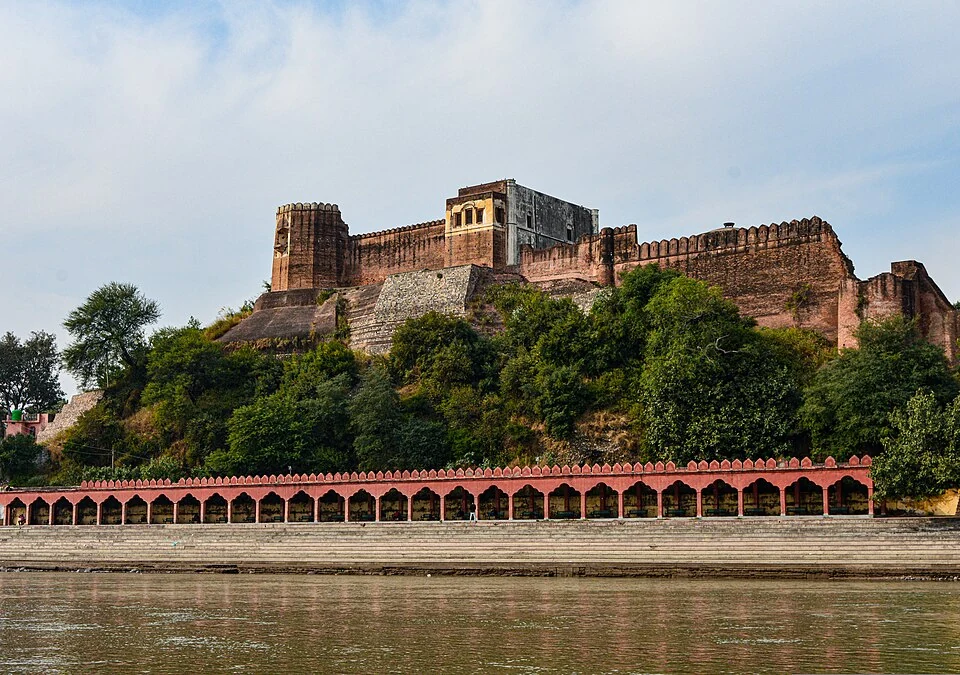
Akhnoor Fort: Built Heritage beside the Chenab
Akhnoor Fort stands beside the Chenab in Jammu district. Its fortified walls and palace spaces belong to the built history of Akhnoor, while the river
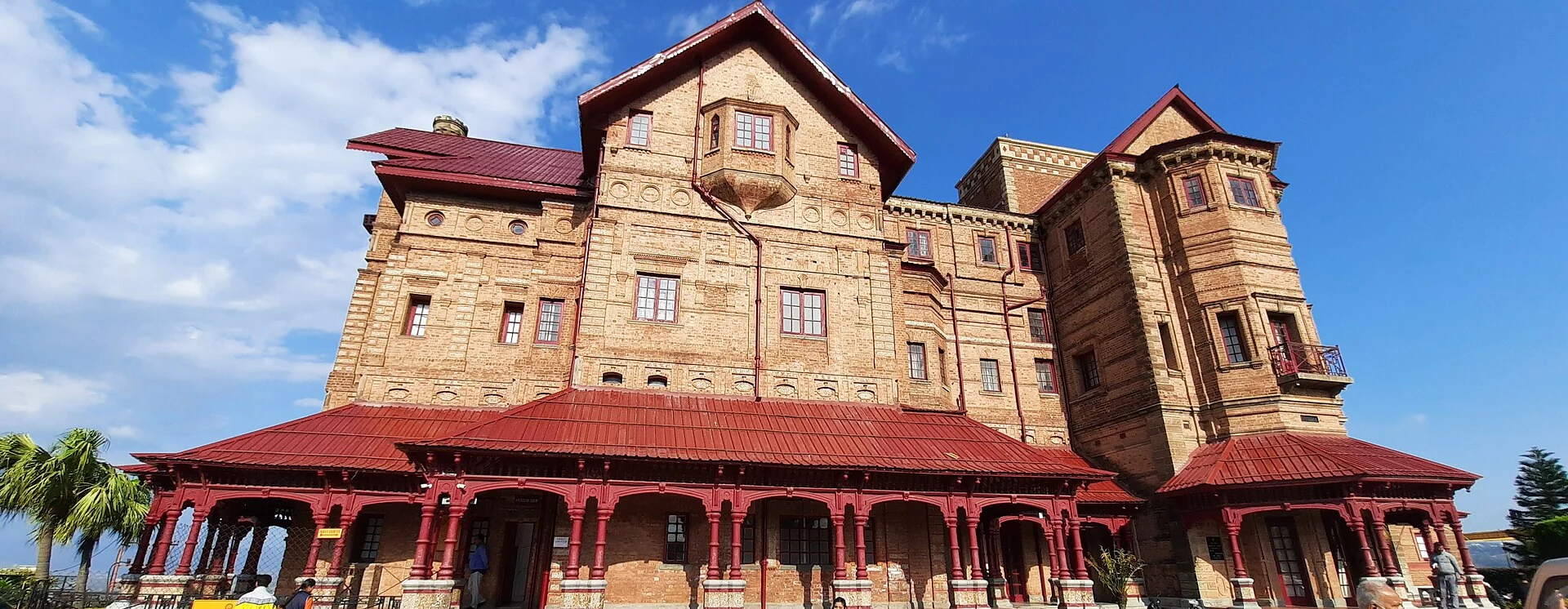
Amar Mahal: Palace Architecture and a Museum in Jammu
A nineteenth-century palace’s architecture, differing published dates and later role as a public museum.
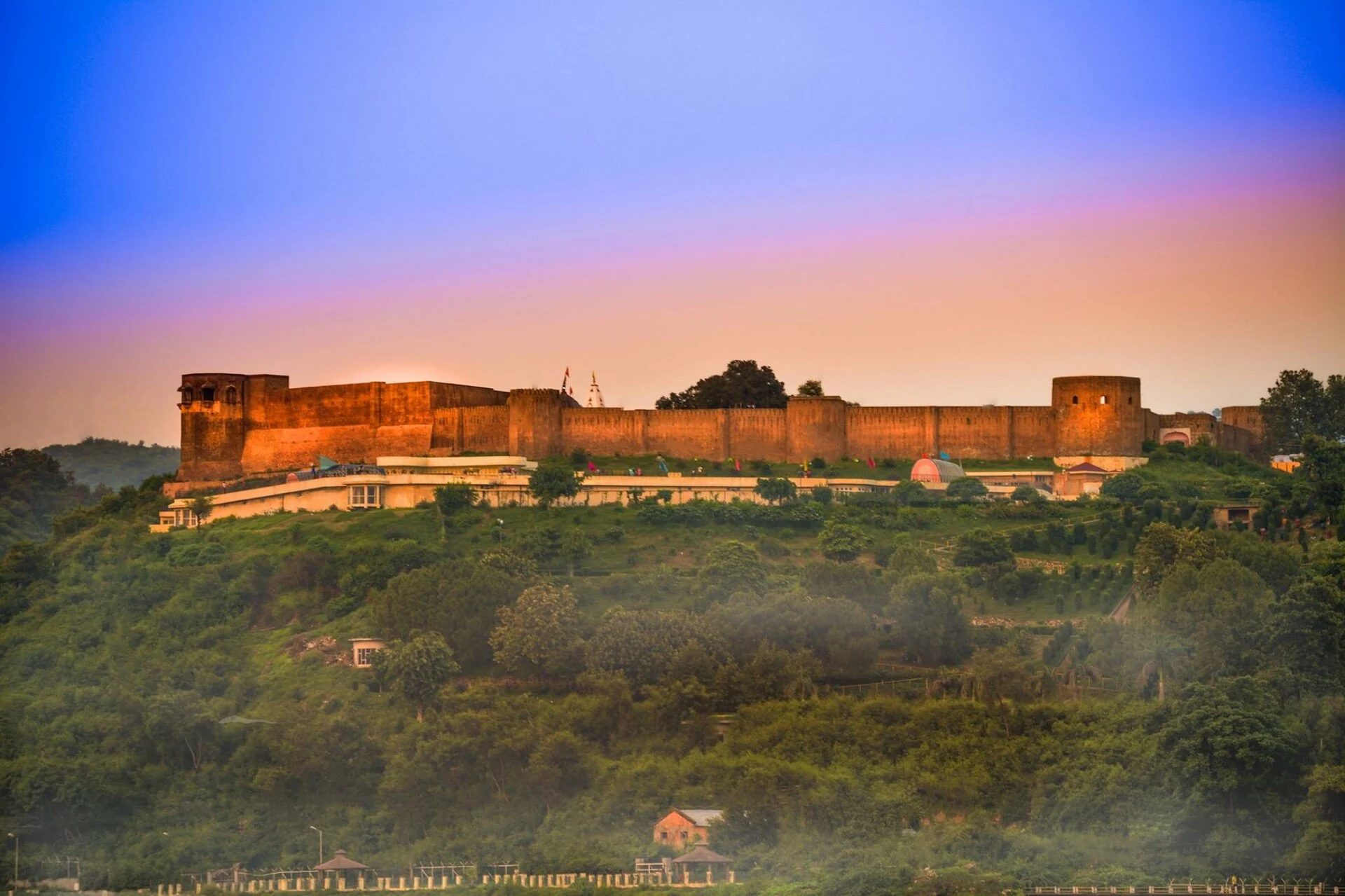
Bahu Fort: Jammu’s Riverside Fortification and Sacred Precinct
A fortified setting above the Tawi with a living Kali shrine and adjoining garden landscape.