
Gulab Singh: Jammu, Dynasty and the Nineteenth Century
Gulab Singh was a nineteenth-century Dogra ruler whose career connected the Jammu principality, the Sikh kingdom and the creation of the princely state of Jammu and Kashmir. He became Raja of Jammu in 1822 and Maharaja of Jammu and Kashmir after the Treaty of Amritsar in 1846. The two titles mark different stages of his political position.
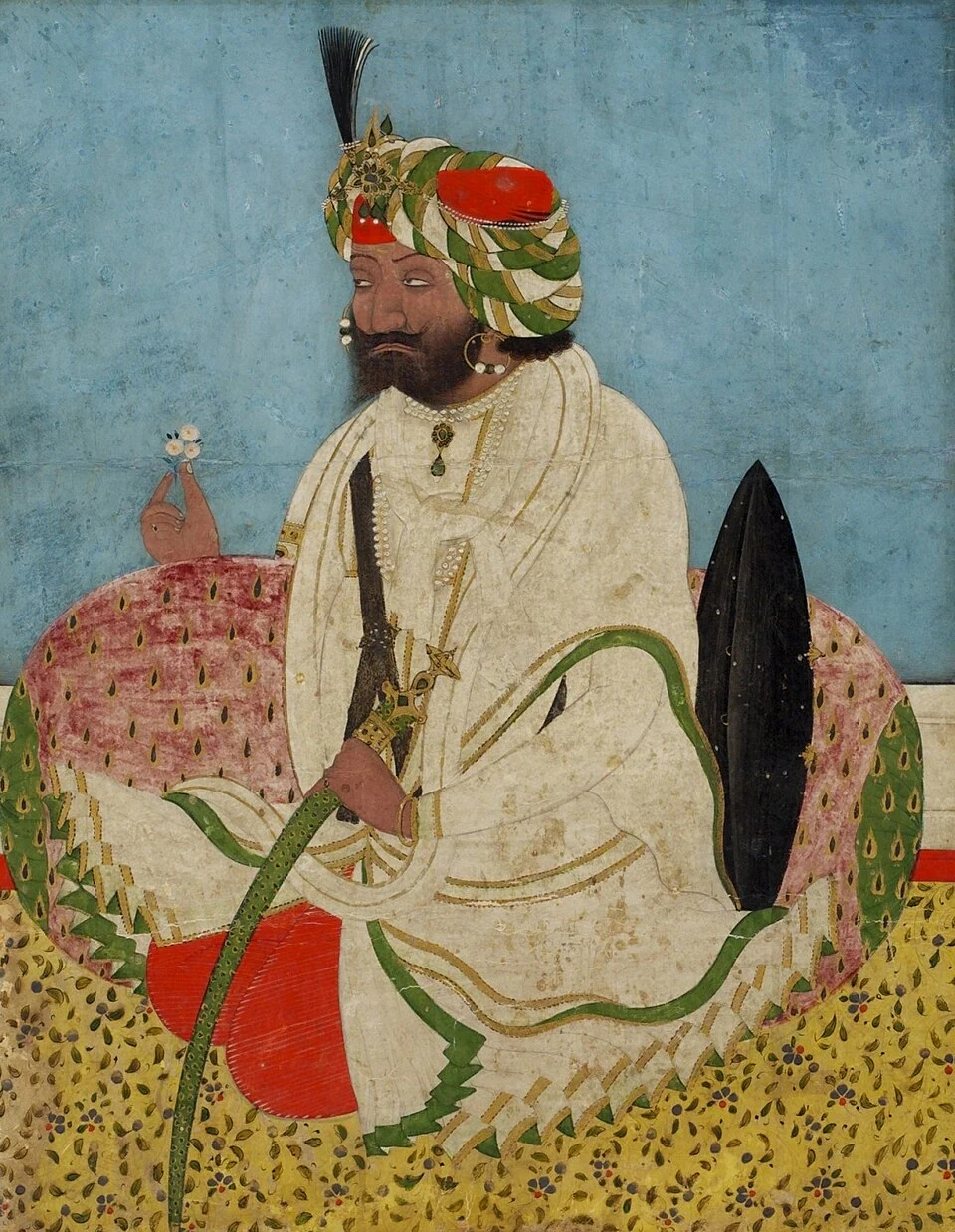
Gulab Singh was a nineteenth-century Dogra ruler whose career connected the Jammu principality, the Sikh kingdom and the creation of the princely state of Jammu and Kashmir. He became Raja of Jammu in 1822 and Maharaja of Jammu and Kashmir after the Treaty of Amritsar in 1846. The two titles mark different stages of his political position.[1]
Jammu and the princely state
The 1846 settlement followed the First Anglo-Sikh War and placed the new princely arrangement under British paramountcy. It belongs to the history of nineteenth-century empires and treaties. Describing that arrangement does not imply that present administrative boundaries or political institutions are identical to those of his reign.[1]
The Maharaja Gulab Singh Memorial Trust presents a chronology of his life. As a commemorative institution, it offers useful dates and an explicitly favourable perspective. Its praise should be attributed rather than repeated as a neutral measure of every consequence of his rule.[2]
Reading a ruler's legacy
The Dharmarth Trust traces its own endowment to Gulab Singh in 1846. This institutional history provides evidence of religious patronage. It explains the foundation of that trust, while the subsequent history of each temple or charitable establishment requires a separate account.[3]
A biography also needs to distinguish personal decisions from the work of officials, soldiers and communities. Expansion and administration involved many actors, and a dynasty's later narrative can simplify those relationships. Comparing commemorative accounts with contemporary records makes the difference between reputation and documented action clearer.
Read Akhnoor Fort for the Chenab-side setting associated with his Jammu coronation, Mubarak Mandi for a later dynastic palace complex and Pratap Singh for a subsequent ruler. The linked sites belong to overlapping histories without having identical construction dates. The Jammu marker is context for the biography; it is not the location of every treaty, campaign or family residence. A historical portrait should be read with its source date and attribution.
Image and map record
Image: Unknown (production) via Wikimedia Commons. Licence: Public domain. Recorded capture date: circa 1846date QS:P,+1846-00-00T00:00:00Z/9,P1480,Q5727902 (made). Resized and converted to WebP; image content unchanged. This is a dated view, not confirmation of the site’s present appearance.


Map marker: 32.733, 74.867. Editorial regional-context marker. This biography, craft or cultural tradition is not a single physical destination. The point is not a verified birthplace, residence, workshop, exclusive origin, performance venue or cultural boundary. View location on OpenStreetMap · View Google Maps · Google directions · OpenStreetMap directions.
Research checked: 14 October 2026. For a visit, confirm current access, transport and opening information with the relevant authorities. This encyclopedia profile provides geographical and historical context.
Sources & references
[1] Reference overview: Gulab Singh
https://en.wikipedia.org/wiki/Gulab_Singh ↗
[2] Gulab Singh Memorial Trust: commemorative chronology
https://www.mgstrustjammu.com/mgstrust/chronology.asp ↗
[3] Dharmarth Trust: institutional history
https://jkdharmarthtrust.org/History.aspx ↗
Image and licence
https://commons.wikimedia.org/wiki/File:Maharaja_Gulab_Singh_of_Jammu_and_Kashmir.jpg ↗
https://commons.wikimedia.org/wiki/File:Maharaja_Gulab_Singh_of_Jammu_and_Kashmir.jpg#Licensing ↗
Related reading
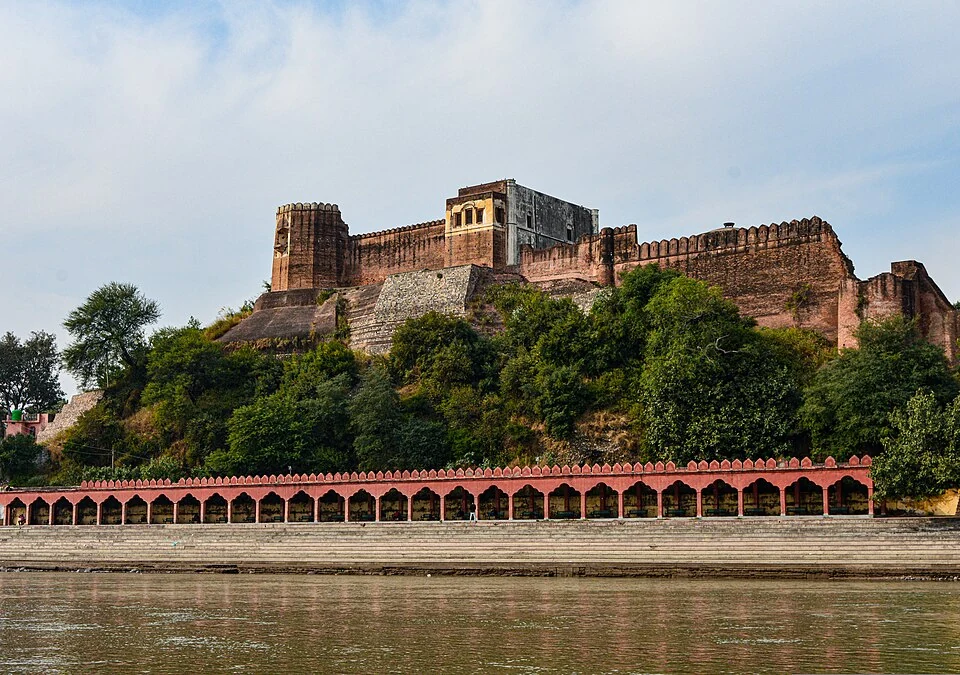
Akhnoor Fort: Built Heritage beside the Chenab
Akhnoor Fort stands beside the Chenab in Jammu district. Its fortified walls and palace spaces belong to the built history of Akhnoor, while the river
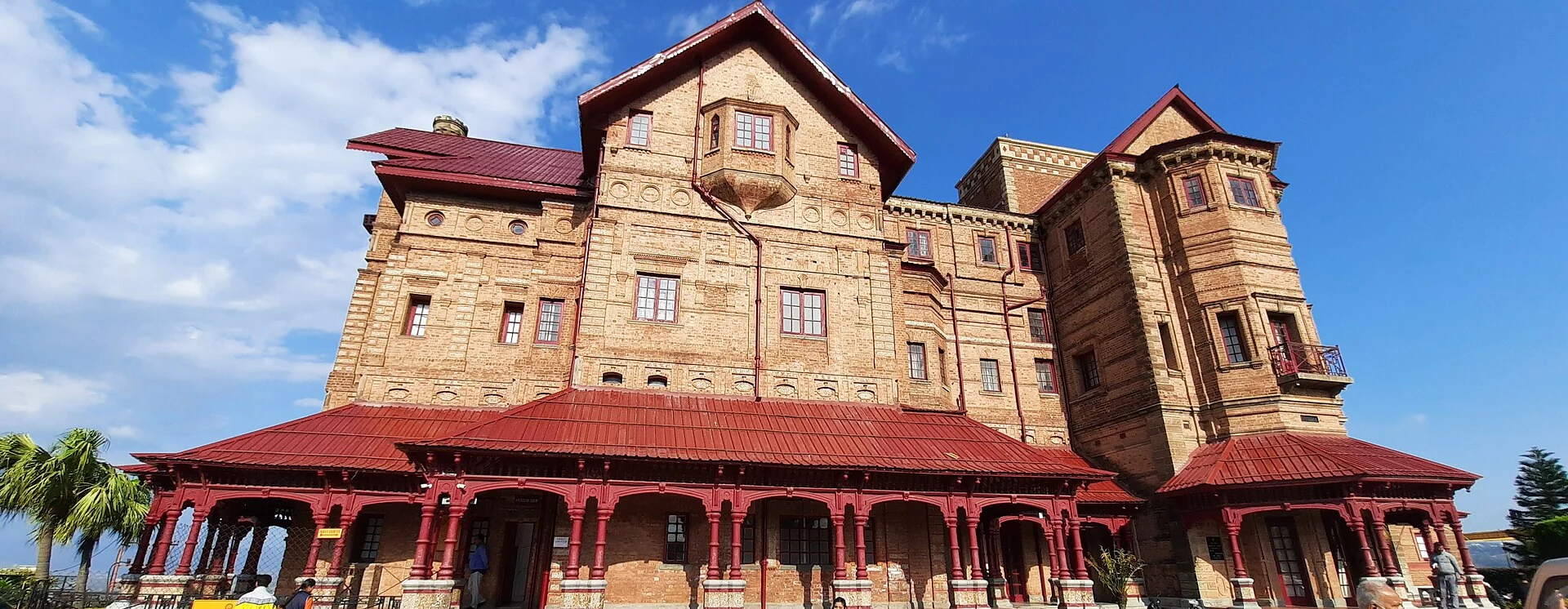
Amar Mahal: Palace Architecture and a Museum in Jammu
A nineteenth-century palace’s architecture, differing published dates and later role as a public museum.
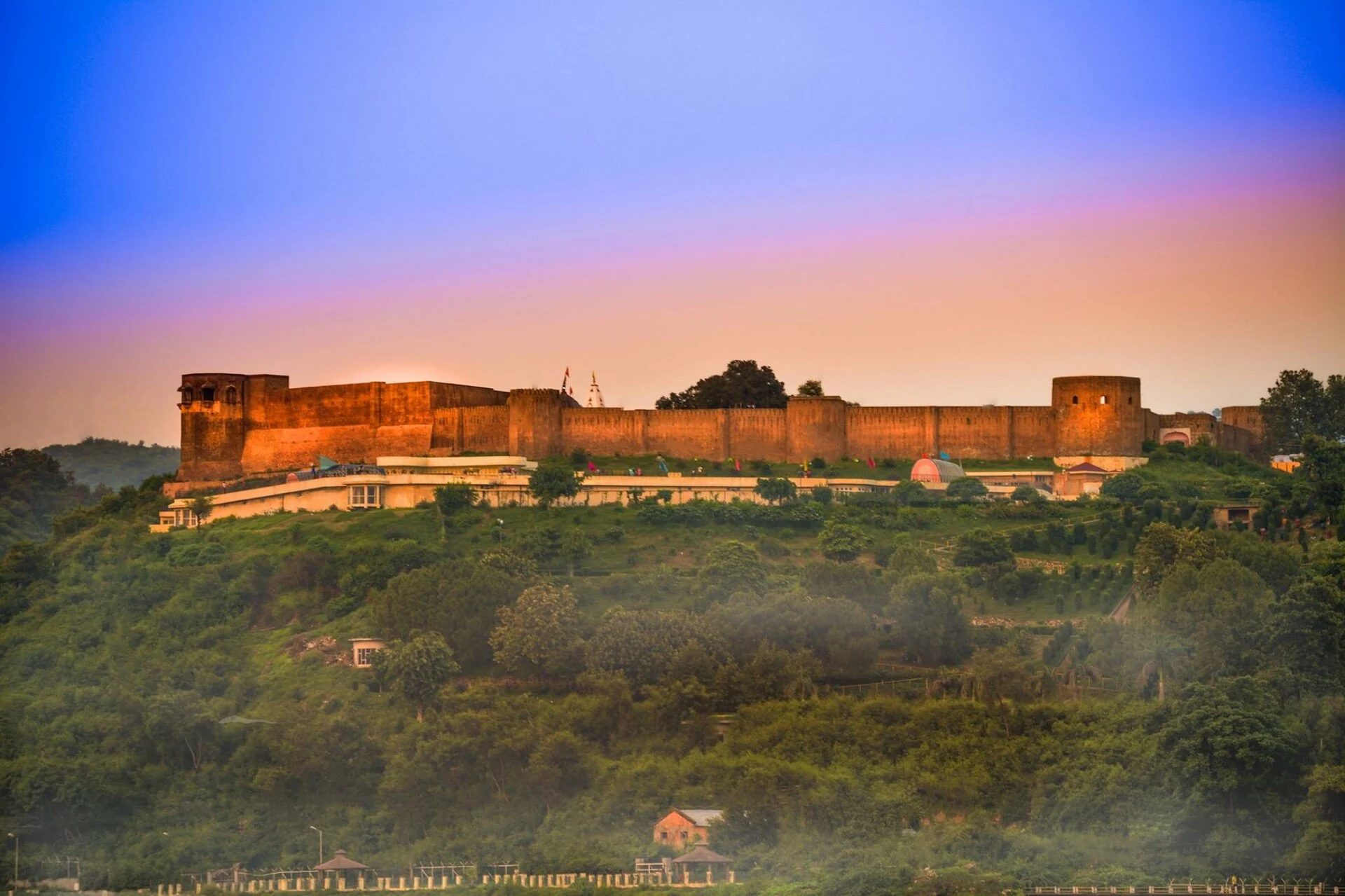
Bahu Fort: Jammu’s Riverside Fortification and Sacred Precinct
A fortified setting above the Tawi with a living Kali shrine and adjoining garden landscape.