
Amar Mahal: Palace Architecture and a Museum in Jammu
A nineteenth-century palace’s architecture, differing published dates and later role as a public museum.
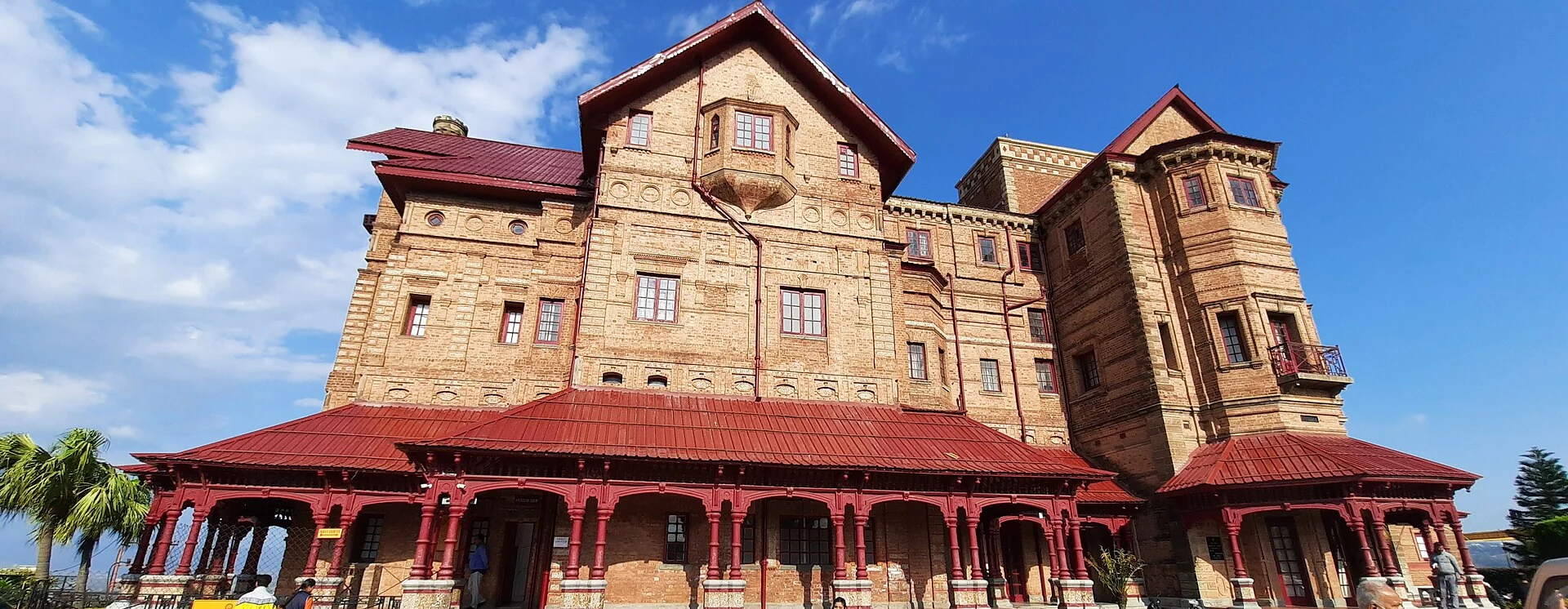
Amar Mahal is a former palace in Jammu that now houses a museum. Its hilltop setting overlooks the Tawi, while its steep roofs, towers and exterior composition distinguish it from many other royal buildings in the region. The district administration describes the architecture through a French-château association and identifies galleries devoted to art and royal history.[1]
A palace with more than one historical date
The district destination page gives 1862 as a construction date, while the secondary palace reference records completion in the 1890s and describes its nineteenth-century commission. These are differing published accounts. This entry therefore uses the nineteenth century as the general frame and retains the distinction between design, construction and completion rather than assign all aspects of the building to one confidently stated year.[1][2]
The secondary account connects the palace with Raja Amar Singh and describes later conversion to a museum. A palace’s life as a residence and its later public role have different purposes. Changes in room use and display do not erase the earlier history, but they alter how people move through and understand the building.[2]
Architecture and collection
The photograph shows the elaborate facade, projecting sections and towered roofline. These features establish a distinctive exterior composition. They should be read alongside the hilltop site, which allows the building to stand out from its surrounding ground. An exterior view, however, does not provide an inventory of the rooms or objects displayed inside.
The district account identifies a golden throne and paintings among the museum’s notable holdings. It mentions modern Indian artists and Pahari paintings associated with narrative themes such as Nala and Damayanti. This is a collection description, not confirmation that every named work is permanently displayed in the same room. Galleries can change while the collection remains part of the institution.[1]
The secondary museum history describes the preservation of royal memorabilia and art within the converted palace. This gives the institution two overlapping forms of evidence: the building itself and the movable objects arranged within it. A painting’s date and provenance may differ significantly from the age of the room where it is shown.[2]
Royal history as a public collection
A museum changes the audience of a former residence. Rooms once associated with private courtly use become places where visitors encounter selected objects and interpretations. The significance of a throne is therefore not simply its weight or material value; it is also its relationship with power, ceremony and the account presented by the museum.
This entry distinguishes the palace from other Jammu heritage buildings and from institutions bearing similar personal names. The photograph and map refer to Amar Mahal, not Amar Singh College in Srinagar. That difference is especially important in search results where two places share part of a name but have different cities, purposes and histories.
Compare Sri Pratap Singh Museum for another regional collection and Leh Palace for a different former royal residence. Bahu Fort introduces another elevated building above the Tawi, while Amar Singh College makes the distinction between the similarly named institutions explicit.
Photograph and map record
Photograph: Jammu Tales via Wikimedia Commons. Licence: CC BY-SA 4.0. Recorded capture date: 2020-03-15 16:04:23. Resized and converted to WebP; scene content unchanged. This is a dated view, not confirmation of the site’s present appearance.

Map marker: 32.748, 74.872. Secondary palace coordinate; not a surveyed visitor entrance. View location on OpenStreetMap · View Google Maps · Google directions · OpenStreetMap directions.
Research checked: 14 October 2026. For a visit, confirm current access, transport and opening information with the relevant authorities. This encyclopedia profile provides geographical and historical context.
Sources & references
[1] Primary place or institutional account
https://jammu.nic.in/tourist-place/amar-mahal-jammu/ ↗
[2] Secondary historical and geographical reference
https://en.wikipedia.org/wiki/Amar_Mahal_Palace ↗
Photograph and licence
https://commons.wikimedia.org/wiki/File:Amar_Mahal_Jammu.jpg ↗
Related reading
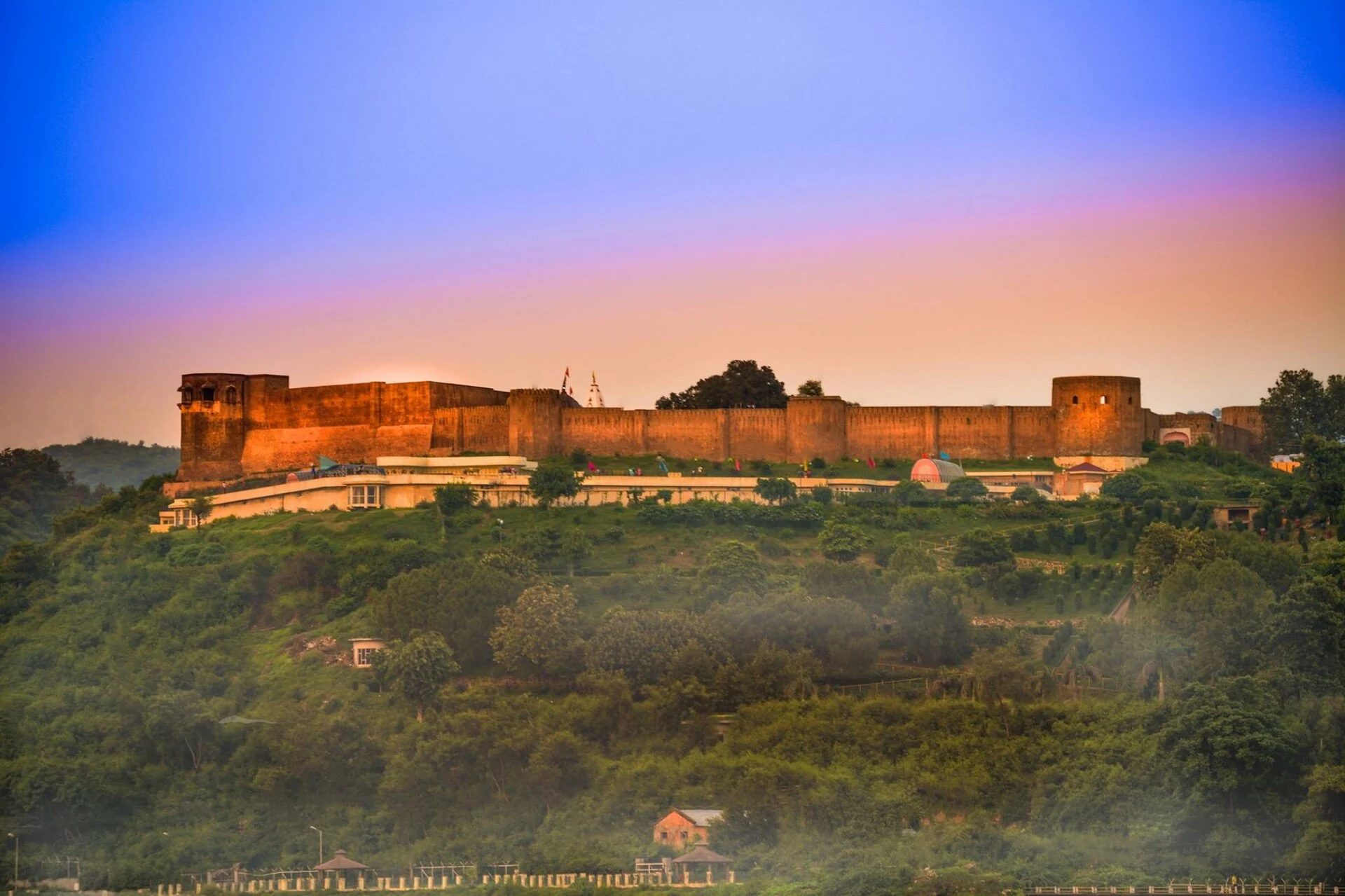
Bahu Fort: Jammu’s Riverside Fortification and Sacred Precinct
A fortified setting above the Tawi with a living Kali shrine and adjoining garden landscape.
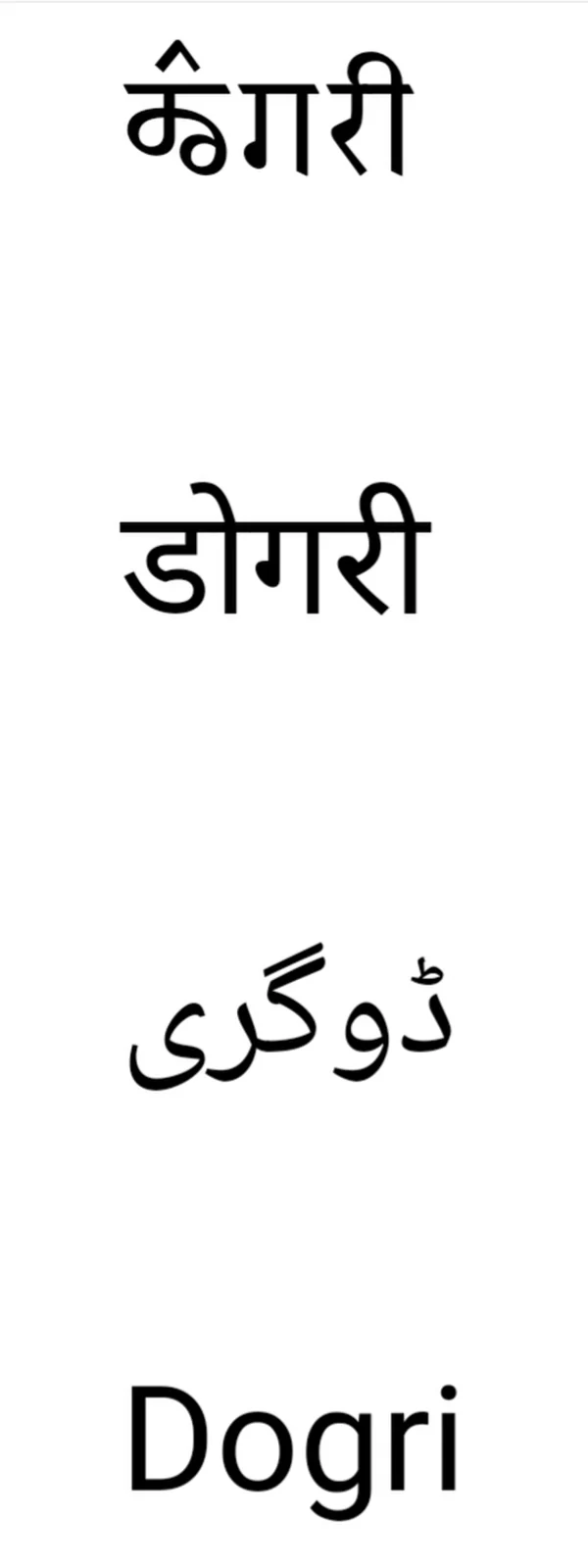
Dogri: Language and Literary Life in the Jammu Region
Dogri is an Indo-Aryan language associated especially with the Jammu region.
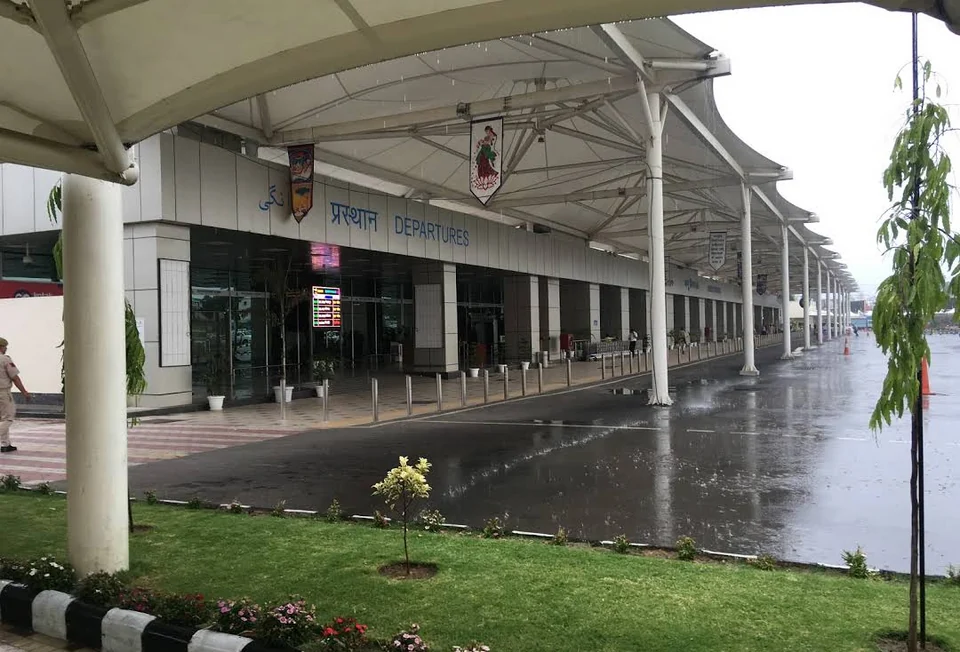
Jammu Airport: Civil Aviation in the Tawi Plain
Jammu Airport, identified by the IATA code IXJ, serves Jammu city and the surrounding region.
Referenced by
- Sri Pratap Singh Museum: Objects and the History of Kashmir
- Bahu Fort: Jammu’s Riverside Fortification and Sacred Precinct
- Krimchi Temples: Stone Architecture in the Udhampur Hills
- Poonch Fort: Architecture and the History of a Hill Town
- Basohli: Ravi-side Town and a Centre of Pahari Painting
- Jammu Airport: Civil Aviation in the Tawi Plain