
Snow Leopard: Mountain Predator and Conservation in Ladakh
The snow leopard is a large mountain cat associated with Ladakh's rugged high-altitude landscapes.
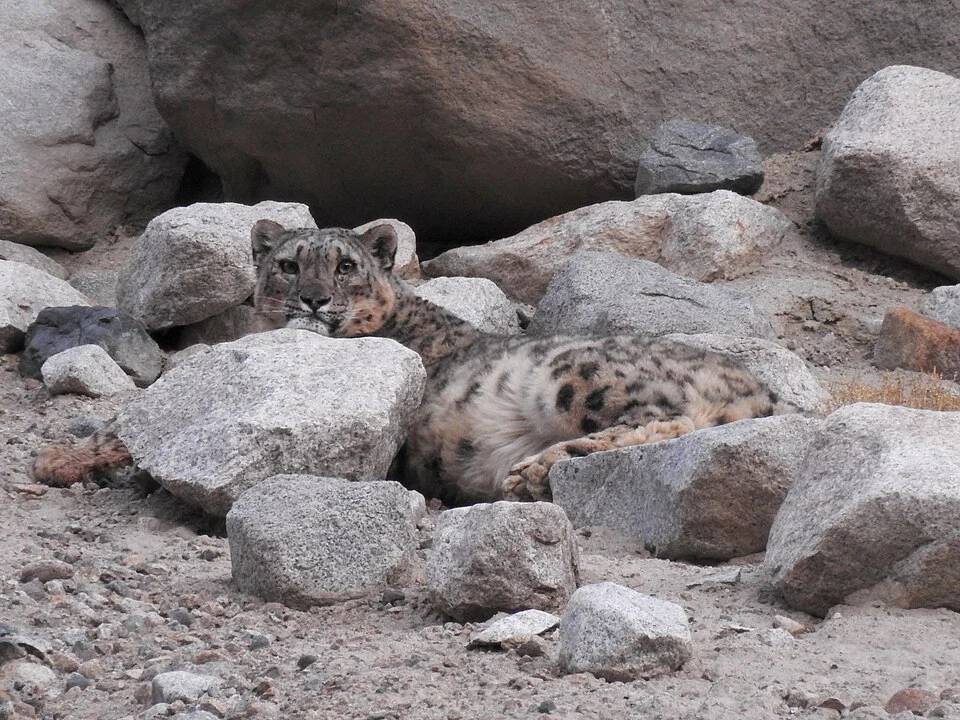
The snow leopard is a large mountain cat associated with Ladakh's rugged high-altitude landscapes. Its long tail, dense coat and patterned fur are familiar identification features. The animal's occurrence is linked with suitable habitat and prey, not simply with the presence of snow. A rocky valley can therefore be relevant even when a photograph shows little winter cover.[1]
Predator and mountain terrain
Snow leopards use broken terrain where movement, concealment and access to prey shape their ecology. Their distribution cannot be represented adequately by one sightseeing point. A footprint, sighting and camera-trap image provide different evidence, and each needs an identified location and date.[1]
Ladakh's Forest, Ecology and Environment Department identifies the snow leopard as the Union Territory's emblematic animal. Conservation accounts connect it with protection of high-altitude ecosystems and coexistence with communities. The cultural symbol and the ecological animal are related subjects, but recognition alone does not establish habitat condition.[2]
Studying an elusive animal
Field surveys can use repeated camera-trap records and other evidence to investigate population and distribution. A population estimate depends on the survey design, area and period. This entry does not turn a figure from an earlier report into a live count or present a tour operator's sighting as a census result.
Livestock and wildlife share parts of the mountain landscape, creating practical questions about protection and livelihoods. These relationships are more useful to examine through documented local circumstances than through a simple account of wilderness without people. A species profile can identify the issue while leaving case-specific action to the responsible authorities.
Read Hemis Monastery as a separate religious site; the monastery should not be confused with the broader Hemis protected landscape. Himalayan Brown Bear and Black-necked Crane offer different ecological comparisons. The representative Leh-region marker is contextual and cannot guarantee a sighting, define the animal's range or authorise access to restricted ground.
Photograph and map record
Photograph: T. R. Shankar Raman via Wikimedia Commons. Licence: CC BY-SA 4.0. Recorded capture date: 2018-02-01 18:01:33. Resized and converted to WebP; scene content unchanged. This is a dated view, not confirmation of the site’s present appearance.

Map marker: 34.16, 77.58. Editorial regional-context marker for Leh. This subject is not a single physical destination: the point is not a birthplace, workshop, harvest site, species range, guaranteed wildlife locality or boundary of language use. View location on OpenStreetMap · View Google Maps · Google directions · OpenStreetMap directions.
Research checked: 14 October 2026. For a visit, confirm current access, transport and opening information with the relevant authorities. This encyclopedia profile provides geographical and historical context.
Sources & references
[1] Snow leopard — secondary historical/geographical overview
https://en.wikipedia.org/wiki/Snow_leopard ↗
[2] Ladakh Forest, Ecology and Environment Department
https://ladakh.gov.in/forest-ecology-environment-department/ ↗
Photograph and licence
https://commons.wikimedia.org/wiki/File:A_snow_leopard_wild_Ladakh_DSCN4780_02.jpg ↗
Related reading
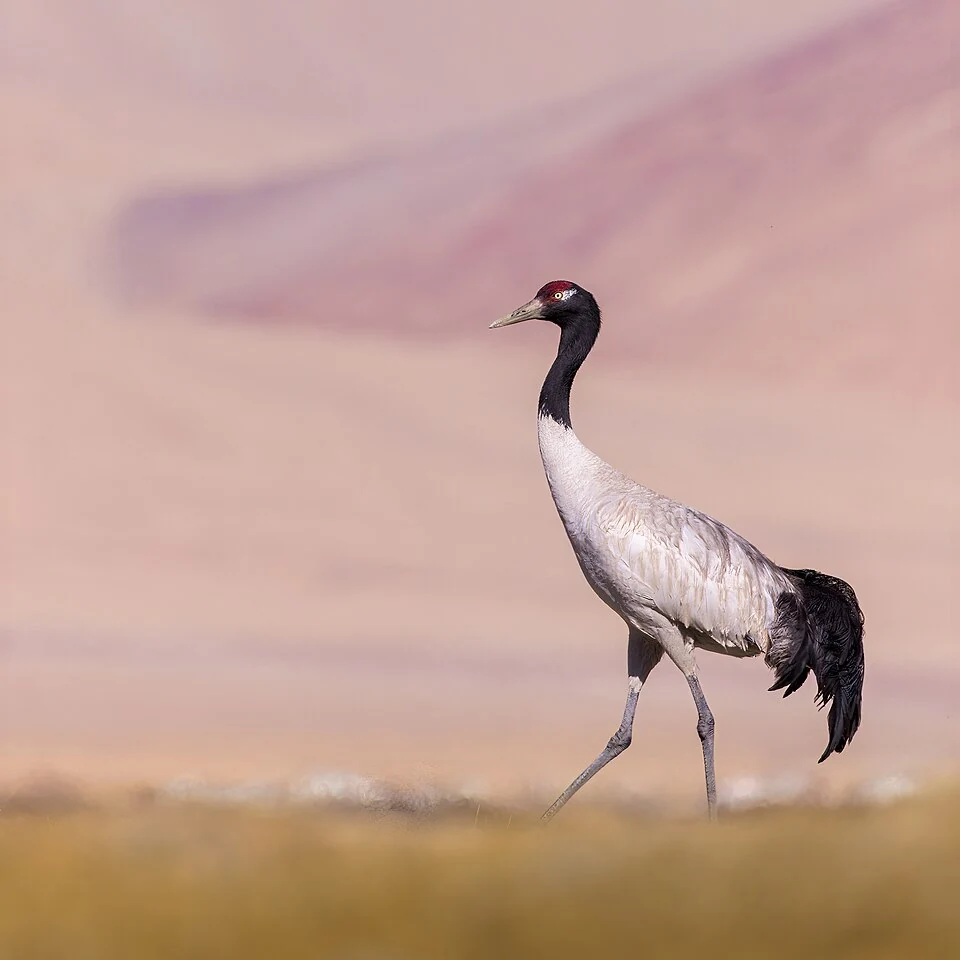
Black-necked Crane: Wetland Breeding Habitat in Ladakh
The black-necked crane is an important bird of Ladakh's high-altitude wetland landscapes.
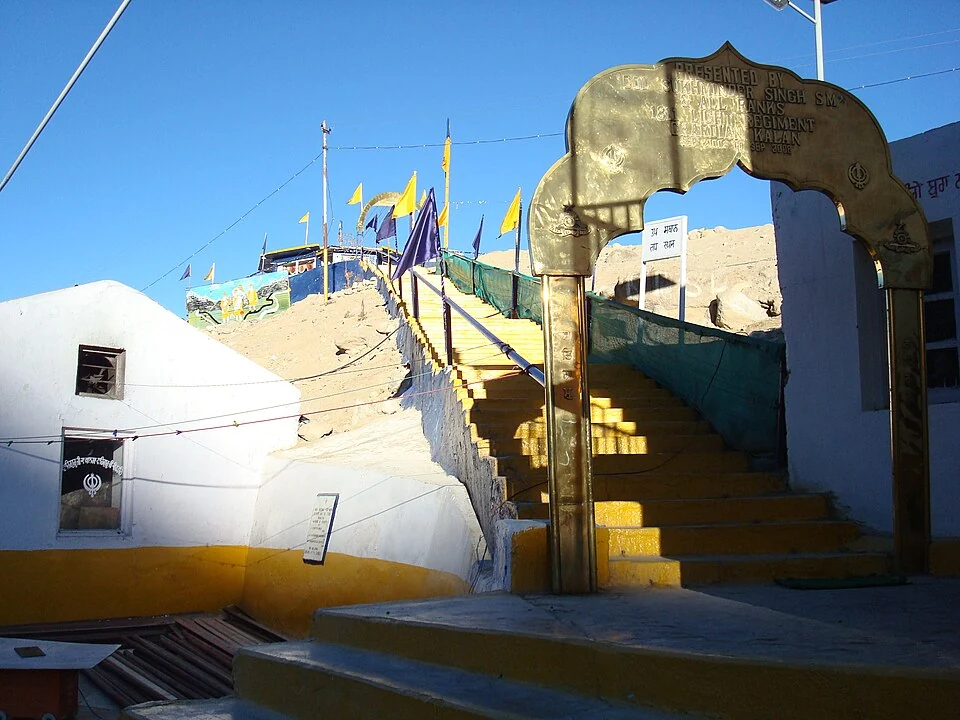
Gurdwara Pathar Sahib: Sikh Tradition in the Indus Valley
Gurdwara Pathar Sahib is a Sikh place of worship in the Indus-valley corridor west of Leh.
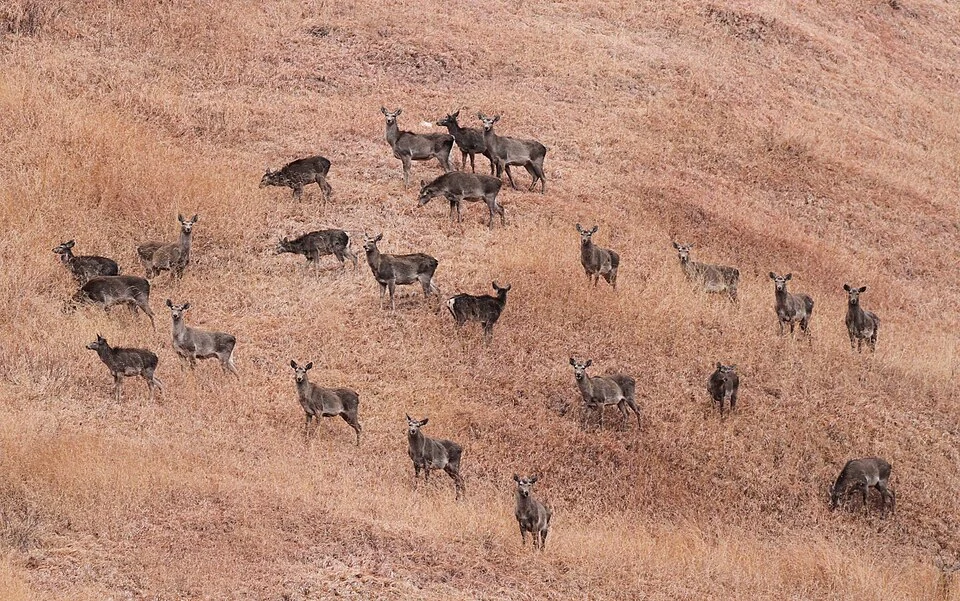
Hangul: Kashmir’s Red Deer and Its Conservation Setting
Hangul is the Kashmir red deer, a distinctive deer population closely associated with the Kashmir Valley and particularly Dachigam.