
Dogri: Language and Literary Life in the Jammu Region
Dogri is an Indo-Aryan language associated especially with the Jammu region.
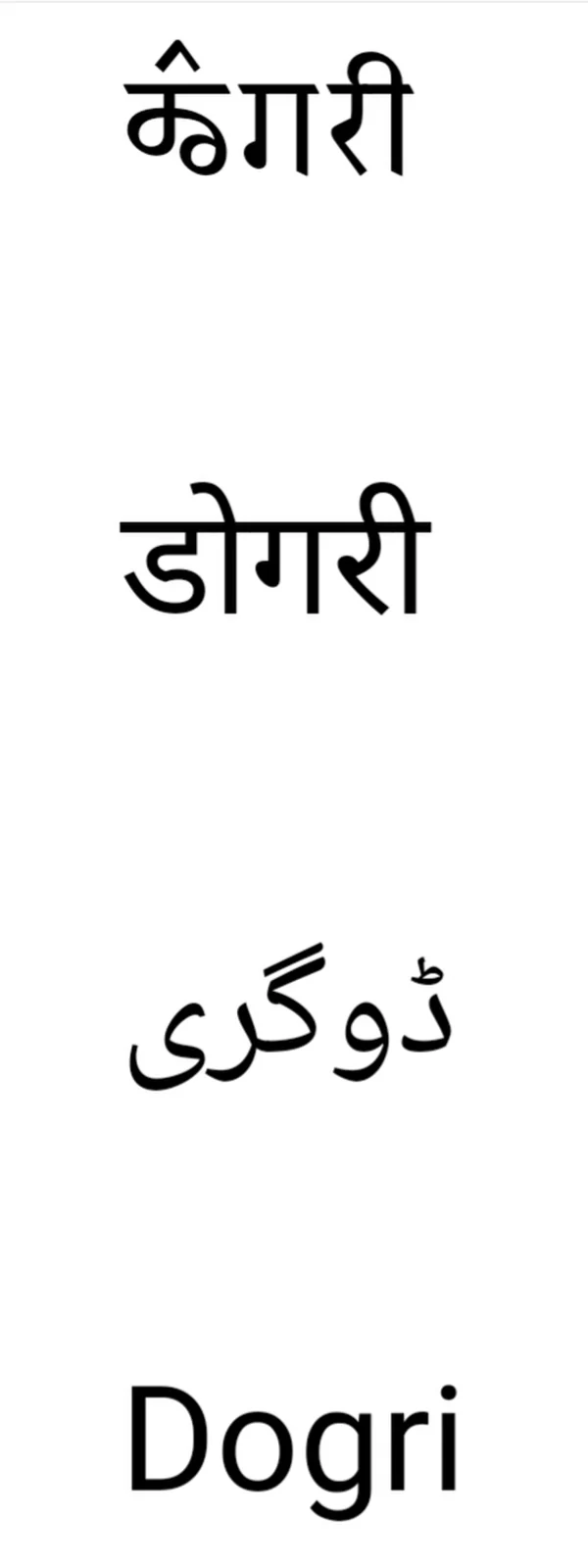
Dogri is an Indo-Aryan language associated especially with the Jammu region. It has a distinct literary identity and a history of writing, performance and everyday communication. Its regional setting should not be reduced to a modern boundary line: people use languages through communities and institutions, and multilingual practice is common.[1]
A language and its scripts
Devanagari is prominent in modern written Dogri, while the historical Dogra Akkhar or Takri tradition belongs to its wider script history. A script name and a language name answer different questions. A photographed written sample can demonstrate one form of representation without establishing the writing habits of every speaker.[1]
The Central Institute of Indian Languages lists Dogri teaching resources and training programmes. These provide a practical point of entry for readers seeking structured language study. A learning primer, dictionary and literary anthology serve different purposes, so they should not be described as interchangeable introductions.[2]
Literary records and cultural life
Sahitya Akademi's records identify Dogri awards and publications. Such primary catalogues support research into particular works and writers without requiring an undated claim about the current “leading” author. Literature can be approached through editions, translations and the historical circumstances of a work's publication.[3]
Speech and writing also connect with music, drama and local storytelling. A performance preserves rhythm, voice and interaction that a printed text may not capture. Conversely, a recording without an identified performer, date or location can be difficult to interpret. Both written and spoken records benefit from clear provenance.
For regional context, read Basohli and Bhaderwah, while avoiding the assumption that every settlement has one uniform language profile. Compare Kashmiri and Ladakhi as separate language subjects. The Jammu map marker supplied with this entry is regional context, not a mapped limit of Dogri speech.
Local speech records can capture differences that are less apparent in a general literary catalogue or a short written script sample.
Photograph and map record
Photograph: DvigartaDogra123 via Wikimedia Commons. Licence: CC BY-SA 4.0. Recorded capture date: 2021-03-26. Resized and converted to WebP; scene content unchanged. This is a dated view, not confirmation of the site’s present appearance.

Map marker: 32.73, 74.87. Editorial regional-context marker for Jammu. This subject is not a single physical destination: the point is not a birthplace, workshop, harvest site, species range, guaranteed wildlife locality or boundary of language use. View location on OpenStreetMap · View Google Maps · Google directions · OpenStreetMap directions.
Research checked: 14 October 2026. For a visit, confirm current access, transport and opening information with the relevant authorities. This encyclopedia profile provides geographical and historical context.
Sources & references
[1] Dogri language — secondary historical/geographical overview
https://en.wikipedia.org/wiki/Dogri_language ↗
[2] CIIL Northern Regional Language Centre: Dogri resources
[3] Sahitya Akademi: language-specific award records
https://www.sahitya-akademi.gov.in/awards/akademi%20samman_suchi.jsp ↗
Photograph and licence
https://commons.wikimedia.org/wiki/File:Dogri_in_Multiple_scripts.jpg ↗
Related reading
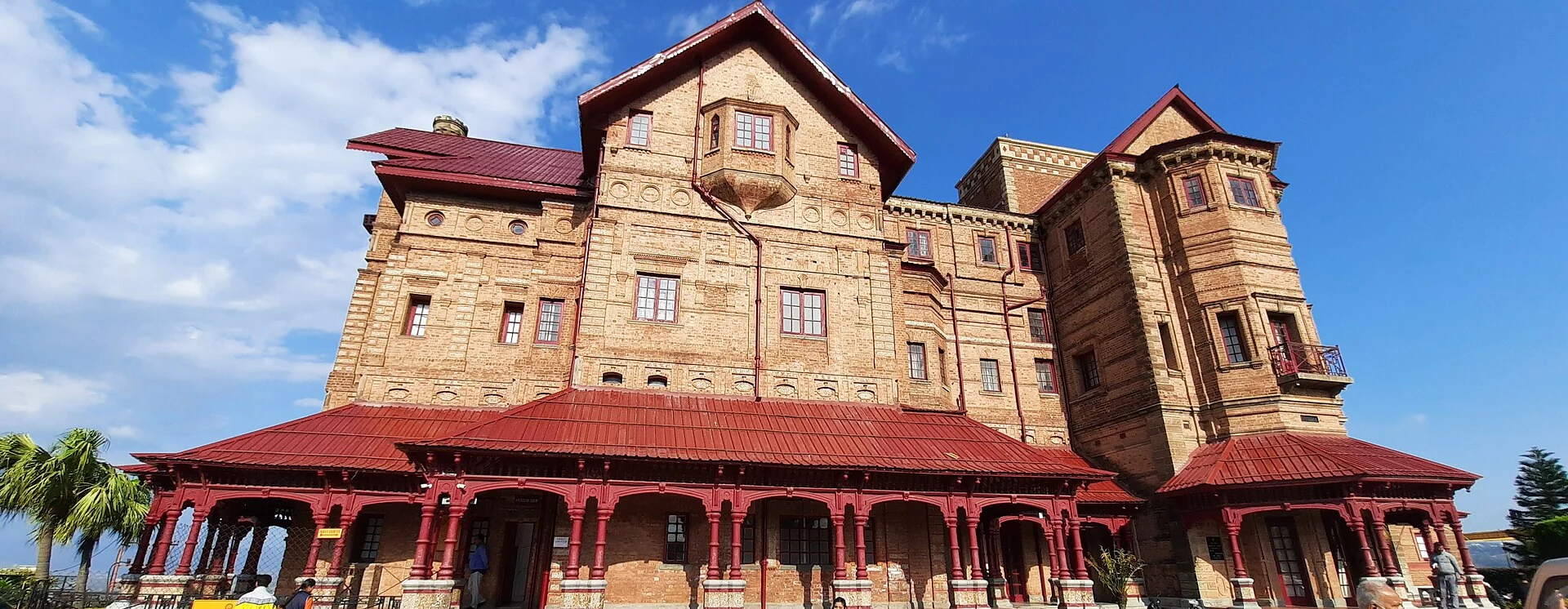
Amar Mahal: Palace Architecture and a Museum in Jammu
A nineteenth-century palace’s architecture, differing published dates and later role as a public museum.
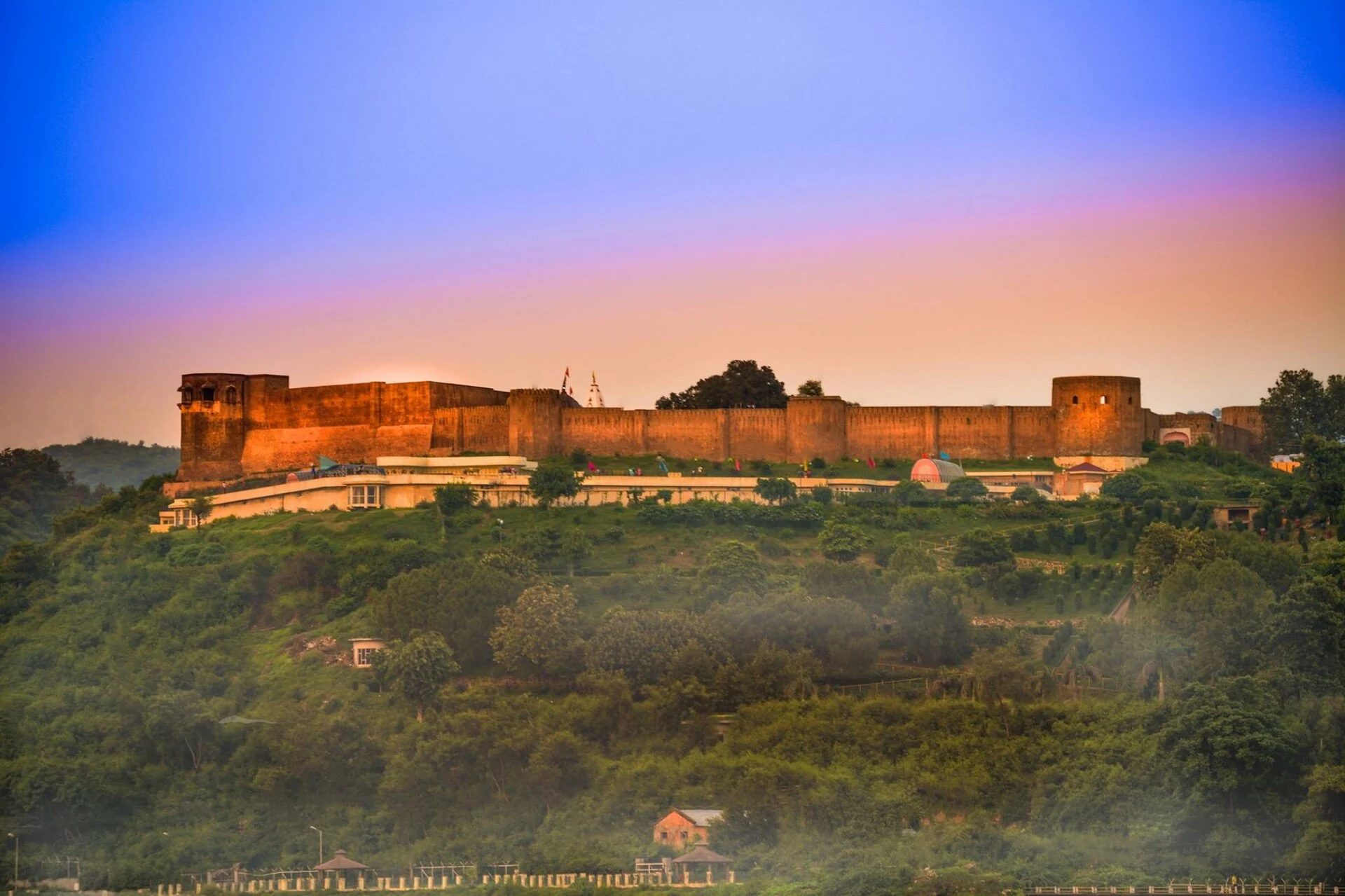
Bahu Fort: Jammu’s Riverside Fortification and Sacred Precinct
A fortified setting above the Tawi with a living Kali shrine and adjoining garden landscape.
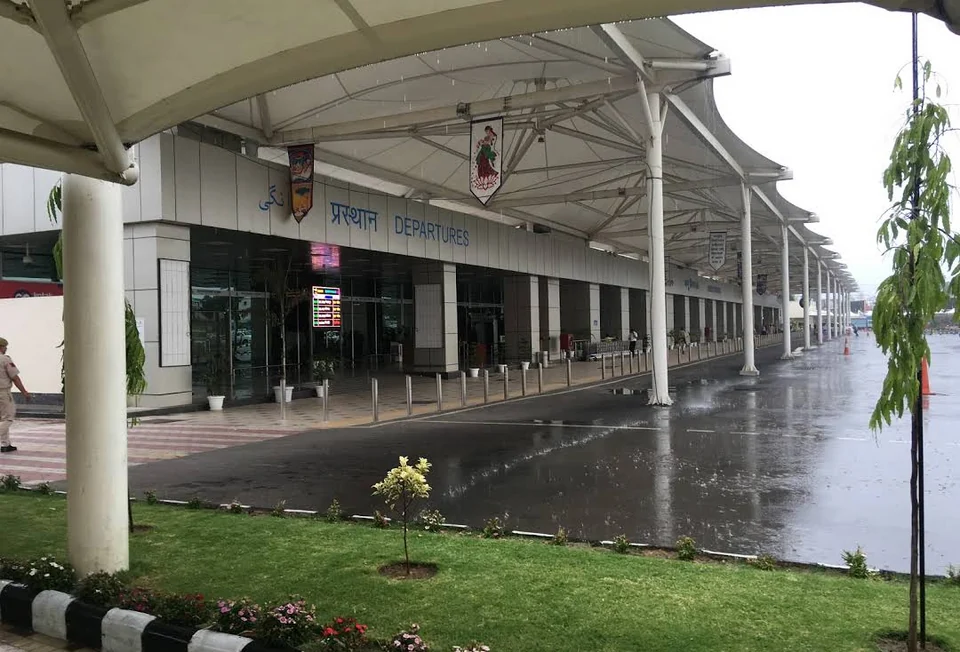
Jammu Airport: Civil Aviation in the Tawi Plain
Jammu Airport, identified by the IATA code IXJ, serves Jammu city and the surrounding region.