
Poonch Fort: Architecture and the History of a Hill Town
The fort’s recorded origins, princely-period development and place within Poonch’s urban heritage.
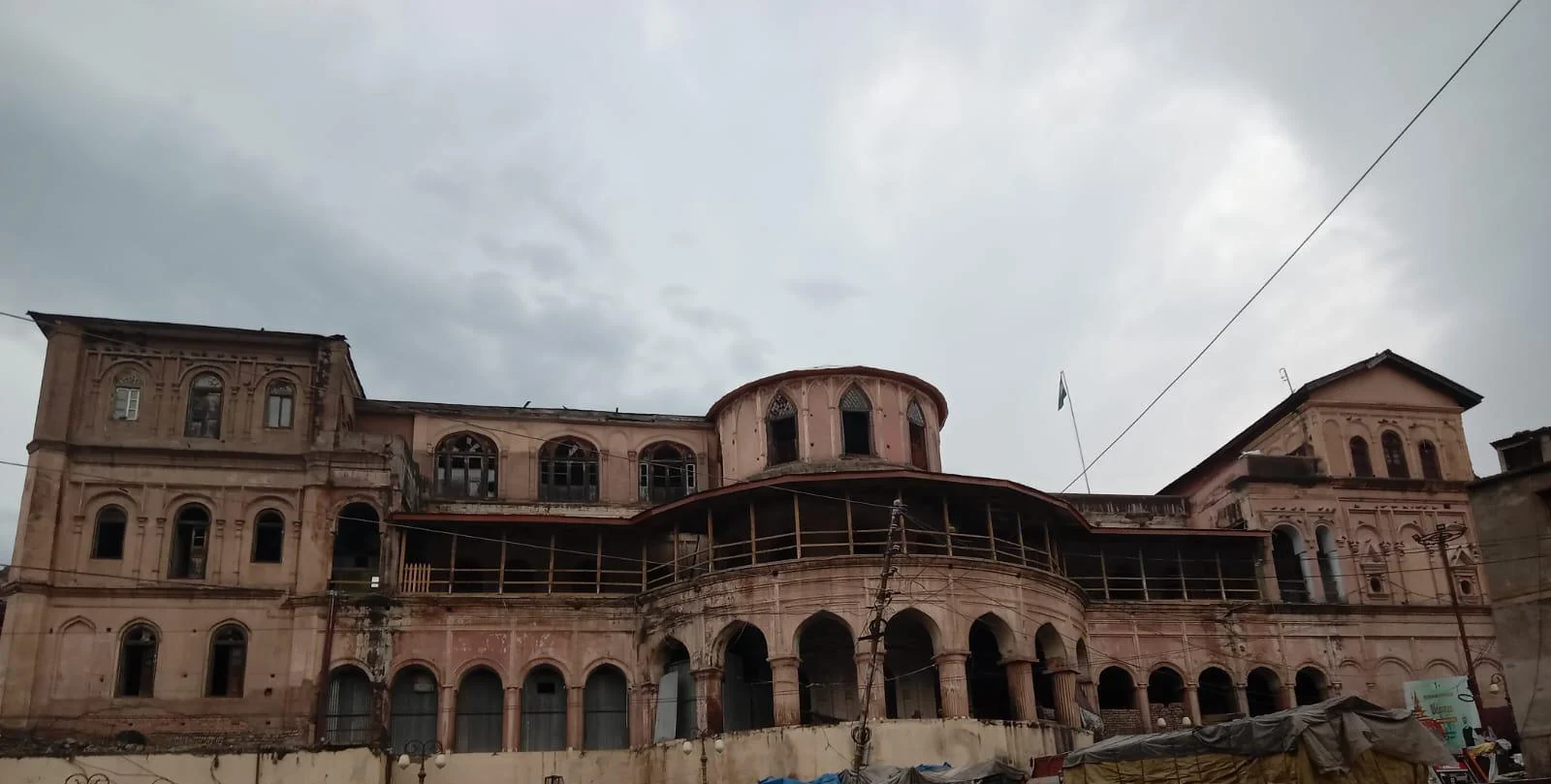
Poonch Fort is a major historic building in Poonch town in the Jammu region. It belongs to a townscape shaped by successive rulers and later civic development. The National Mission on Monuments and Antiquities records the fort as a specific built-heritage site, while the district history describes its renovation and redesign within the wider development of the town.[1][2]
A building developed through successive periods
The national monument record attributes the beginning of construction to Raja Abdul Razaq in 1701, explicitly presenting the claim through local historical sources. That attribution provides a starting point for the recorded chronology; it should not make every visible part of the building the same age. A palace-fort can be enlarged and altered as its patrons, occupants and functions change.[2]
Poonch’s district history describes extensive building and improvement during the nineteenth- and early-twentieth-century princely period. It specifically mentions renovation of the historic fort alongside town halls, courts, gardens and other buildings. The fort should consequently be read within a larger urban programme, not simply as an isolated defensive object unaffected by later town development.[1]
Fortification and a palace-like frontage
The photograph supplied with this article shows the fort’s long frontage, repeated openings and changes in roof form. These features help explain why the building is encountered as more than a plain defensive wall. Facade, internal rooms and enclosed spaces can serve different purposes within a complex called a fort.
An exterior photograph does not establish the current condition or availability of every room. The irregularity and layering visible in the frontage suggest questions about different construction phases, but a precise phase-by-phase account requires surveys and documentary work. Architectural observation is most useful when it distinguishes what is visible from what remains to be demonstrated.
The surrounding town
The district’s historical overview connects the fort with other civic and royal buildings in Poonch. Gardens and gateways were part of the same wider settlement history. These relationships help explain a hill town as a network of institutions and spaces rather than a destination defined by only one monument.[1]
The national record also provides a monument coordinate. This is used here instead of postal-coordinate listings that appear to place “Poonch Fort” far from the documented site. A postal area, a settlement and a particular fort are different geographical objects. Choosing the monument record makes the map more useful, while still leaving the actual visitor entrance to be confirmed locally.[2]
Regional connections
Poonch’s relationship with the Mughal Road gives the town a useful connection with Pir Ki Gali. That pass is a transport and mountain landscape, whereas the fort is an urban building. A connected encyclopedia can follow the relationship without pretending that the two sites share one construction history or one kind of visitor access.
Compare Bahu Fort and Hari Parbat for different fortified settings. Amar Mahal introduces the later life of another royal building as a museum. The photograph’s source and licence accompany this article, which remains a heritage profile rather than an assurance of present entry conditions.
Photograph and map record
Photograph: 0Vinayak via Wikimedia Commons. Licence: CC0. Recorded capture date: 2026-04-25. Resized and converted to WebP; scene content unchanged. This is a dated view, not confirmation of the site’s present appearance.

Map marker: 33.7675, 74.09027777777777. NMMA built-heritage record 2281, converted from DMS; representative fort point, not an assessed visitor entrance. View location on OpenStreetMap · View Google Maps · Google directions · OpenStreetMap directions.
Research checked: 14 October 2026. For a visit, confirm current access, transport and opening information with the relevant authorities. This encyclopedia profile provides geographical and historical context.
Sources & references
[1] Primary place or institutional account
https://poonch.nic.in/about-district/ ↗
[2] NMMA — Poonch Fort monument and coordinate record
https://nmma.nic.in/nmma/builtDetail.do?dynasty=47&refId=2281 ↗
Photograph and licence
Related reading
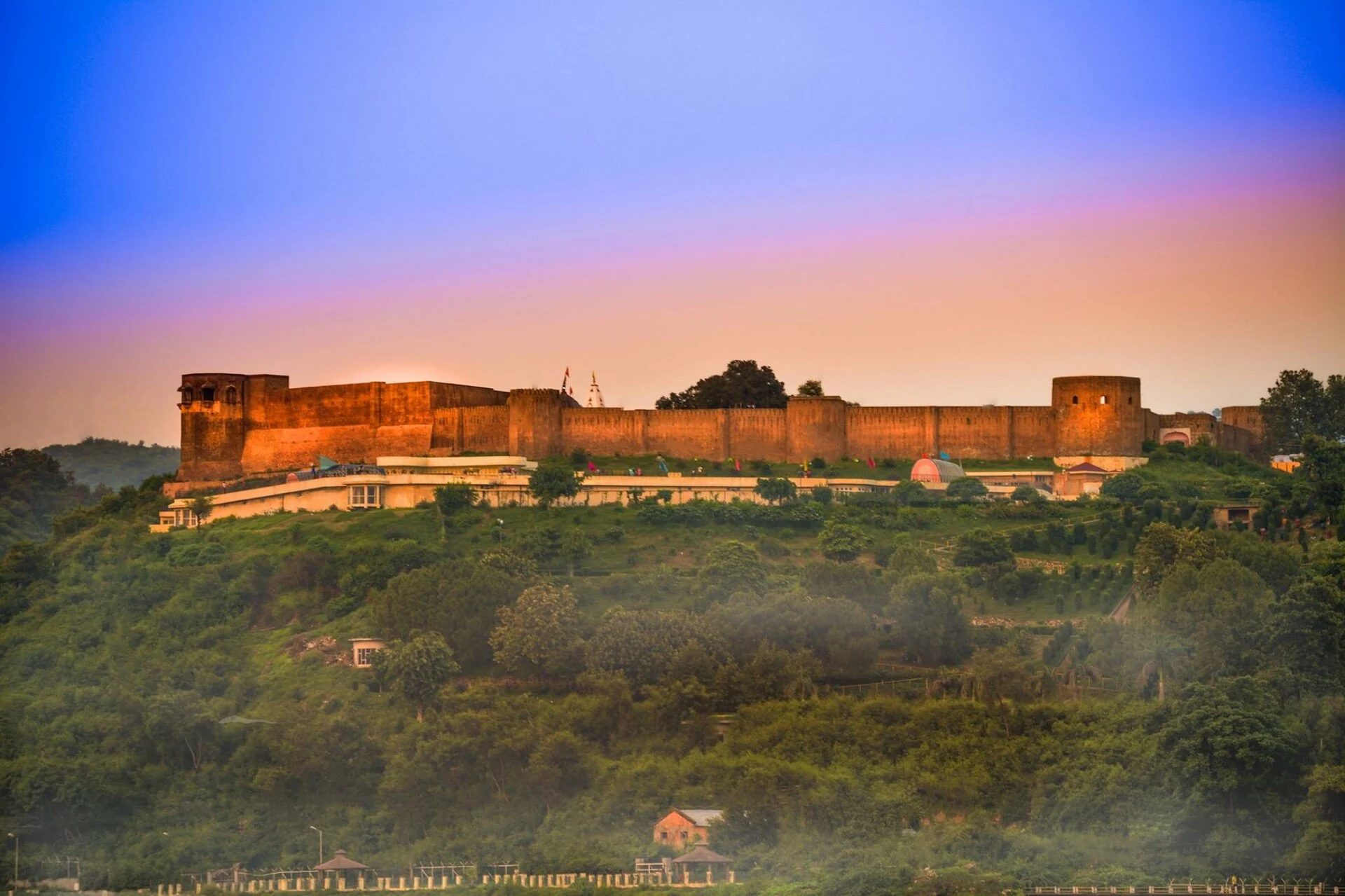
Bahu Fort: Jammu’s Riverside Fortification and Sacred Precinct
A fortified setting above the Tawi with a living Kali shrine and adjoining garden landscape.
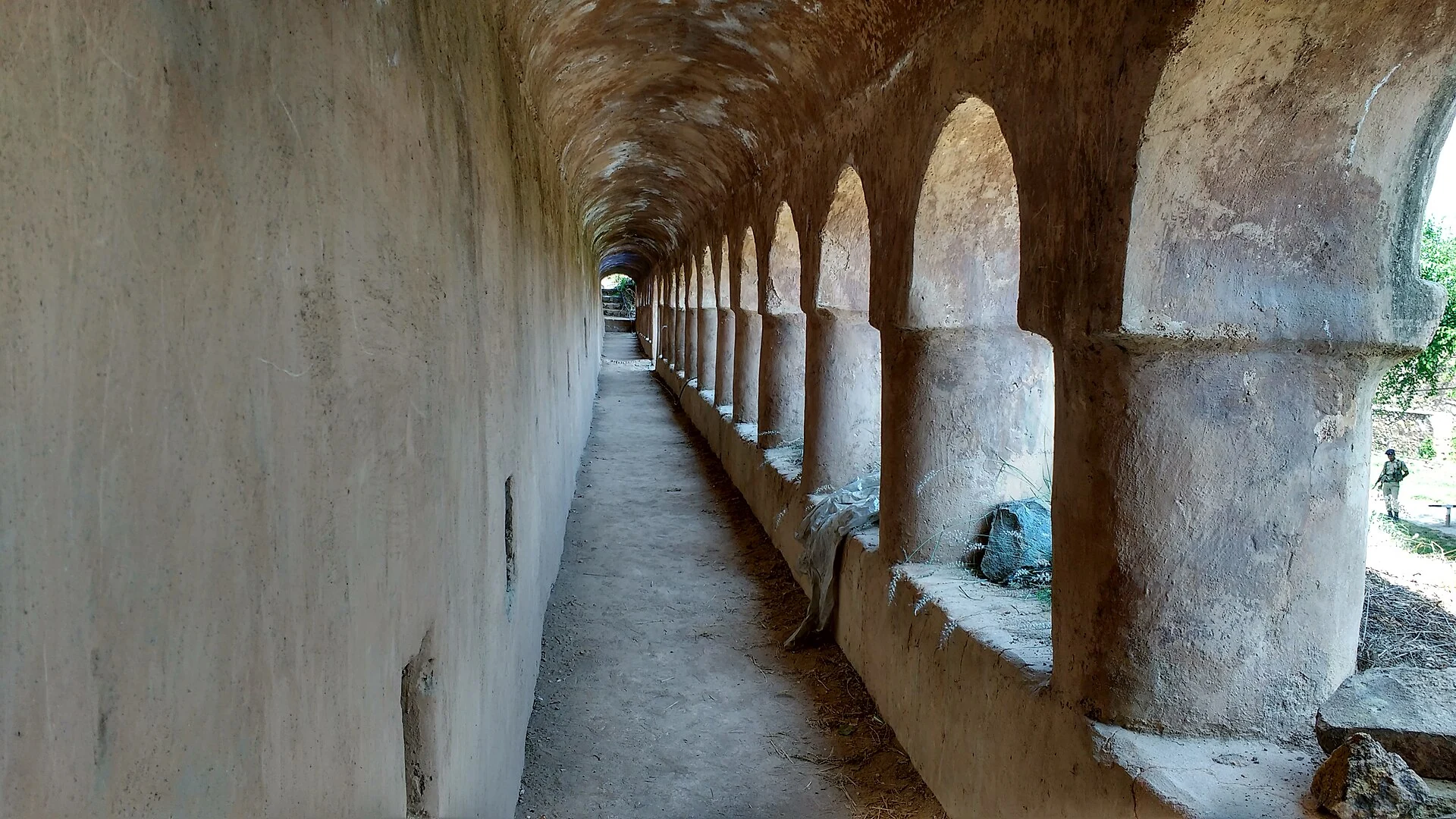
Hari Parbat Fort: Hill, Fortification and the Old City
The distinction between Hari Parbat’s outer wall, summit fort and neighbouring sacred institutions.
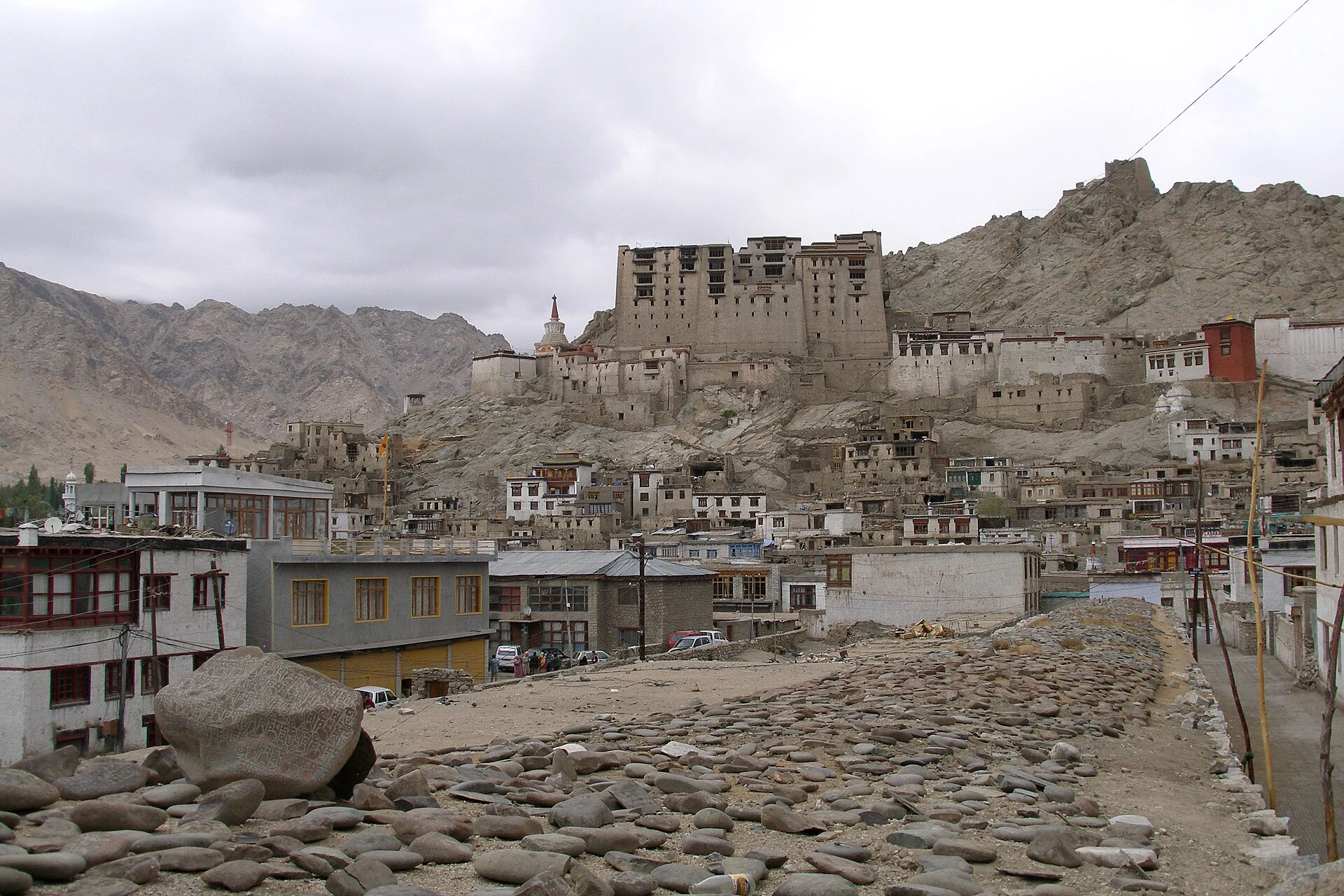
Leh Palace: Namgyal Kingship and Himalayan Building Traditions
Leh Palace’s royal history, vertical organisation, earth-and-timber construction and relationship to Leh’s historic townscape.