
Ladakhi: Speech, Writing and the Languages of Ladakh
Ladakhi refers to speech varieties within the Tibetic language family used in Ladakh.

Ladakhi refers to speech varieties within the Tibetic language family used in Ladakh. The name covers regional variation rather than a single identical way of speaking across every valley. Spoken usage and the classical Tibetan-related written tradition also need to be distinguished. A shared script does not mean that everyday speech is the same in all communities.[1]
Variation across valleys
Reference descriptions identify varieties associated with Leh, Sham, Nubra, Zanskar and other areas. These are linguistic settings, not exact equivalents of the district boundaries notified in 2026. A change in administration does not instantly change a community's speech or create a new language at each boundary.[1]
Ladakh's education records document Bhoti textbooks and language-learning initiatives. The use of “Bhoti” in institutional settings should be stated with its source and context rather than assumed to have one identical meaning in every linguistic discussion. Teaching materials, spoken varieties and cultural advocacy are connected but distinct subjects.[2]
Writing and preservation
Written materials make language accessible across time, while speech retains pronunciation, rhythm and local variation. A manuscript, textbook and audio recording therefore answer different questions. A written sample in this article illustrates a source-identified form; it is not a pronunciation guide or a translation independently verified for every regional variety.
Language preservation also concerns the occasions on which people use and learn a language. Schools, families, cultural institutions and publishing can contribute in different ways. Counting books alone cannot describe all spoken activity, just as recording a conversation cannot establish the scale of a literary tradition.
The settlements of Khaltse, Padum and Turtuk show why Ladakh needs place-specific language descriptions; Turtuk's Balti context should not simply be relabelled as uniform Ladakhi. Compare the separate Dogri and Kashmiri entries. The representative Leh marker supplies geographical context rather than a boundary of language use.
Photograph and map record
Photograph: Amshpatten via Wikimedia Commons. Licence: CC BY-SA 4.0. Recorded capture date: 2020-09-15. Resized and converted to WebP; scene content unchanged. This is a dated view, not confirmation of the site’s present appearance.

Map marker: 34.16, 77.58. Editorial regional-context marker for Leh. This subject is not a single physical destination: the point is not a birthplace, workshop, harvest site, species range, guaranteed wildlife locality or boundary of language use. View location on OpenStreetMap · View Google Maps · Google directions · OpenStreetMap directions.
Research checked: 14 October 2026. For a visit, confirm current access, transport and opening information with the relevant authorities. This encyclopedia profile provides geographical and historical context.
Sources & references
[1] Ladakhi language — secondary historical/geographical overview
https://en.wikipedia.org/wiki/Ladakhi_language ↗
[2] Ladakh administration: Bhoti textbooks, December 2025
https://ladakh.gov.in/launch-of-bhoti-textbook-balvatika-1-3-grade-12/ ↗
Photograph and licence
Related reading
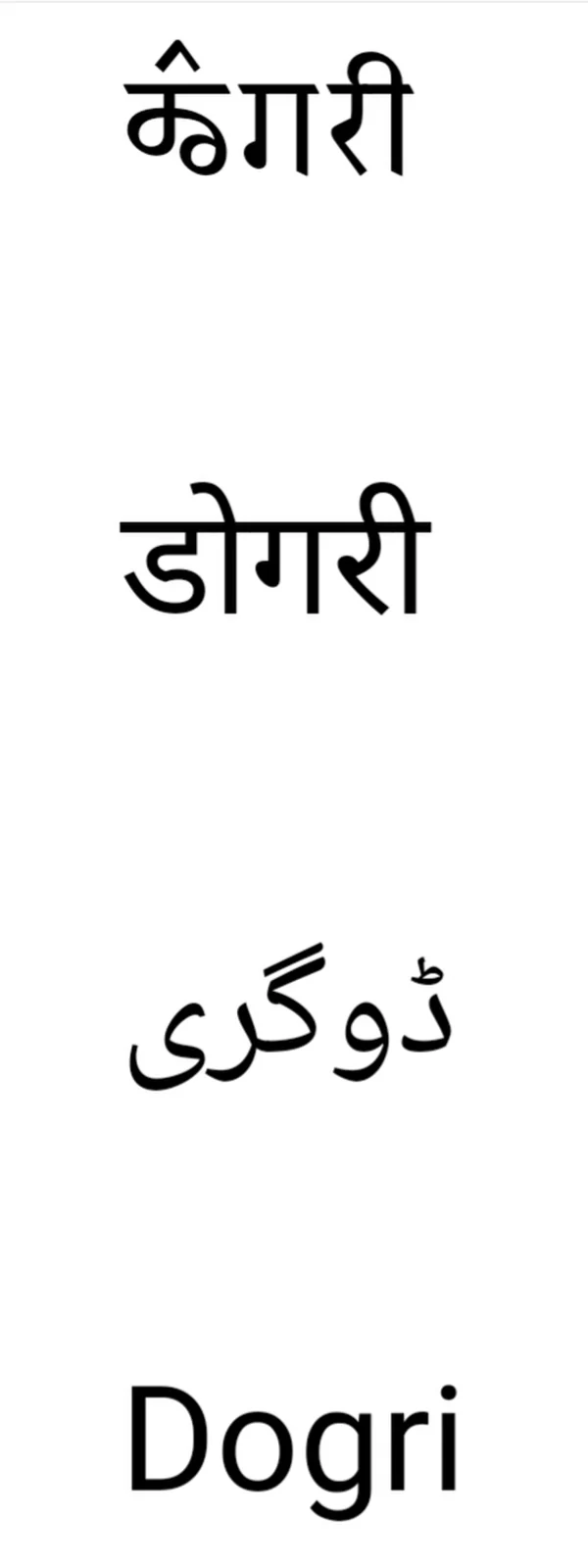
Dogri: Language and Literary Life in the Jammu Region
Dogri is an Indo-Aryan language associated especially with the Jammu region.
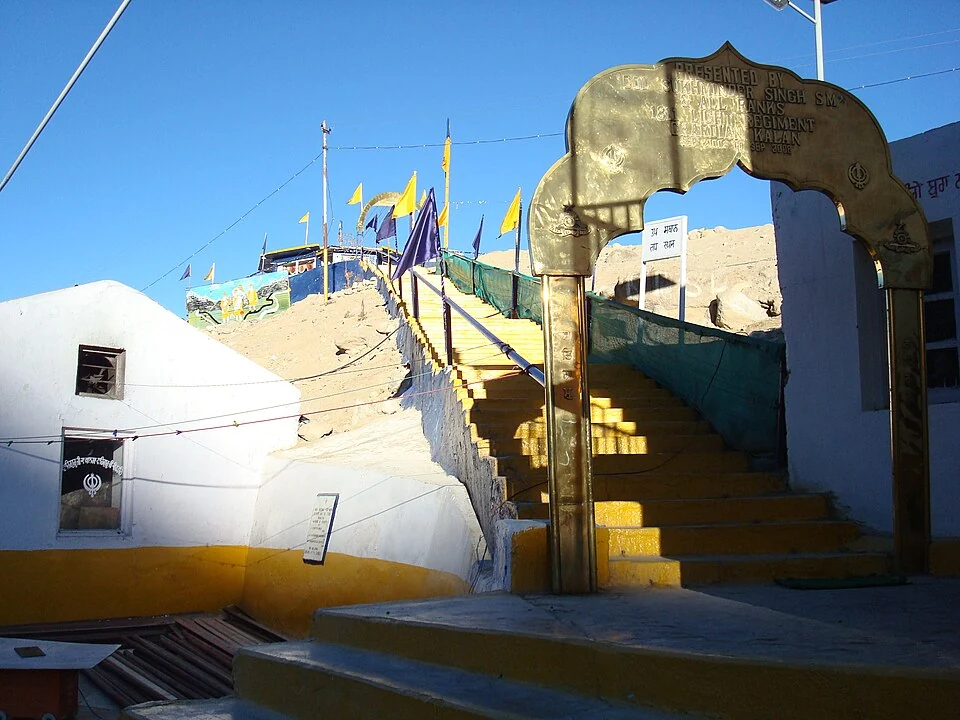
Gurdwara Pathar Sahib: Sikh Tradition in the Indus Valley
Gurdwara Pathar Sahib is a Sikh place of worship in the Indus-valley corridor west of Leh.
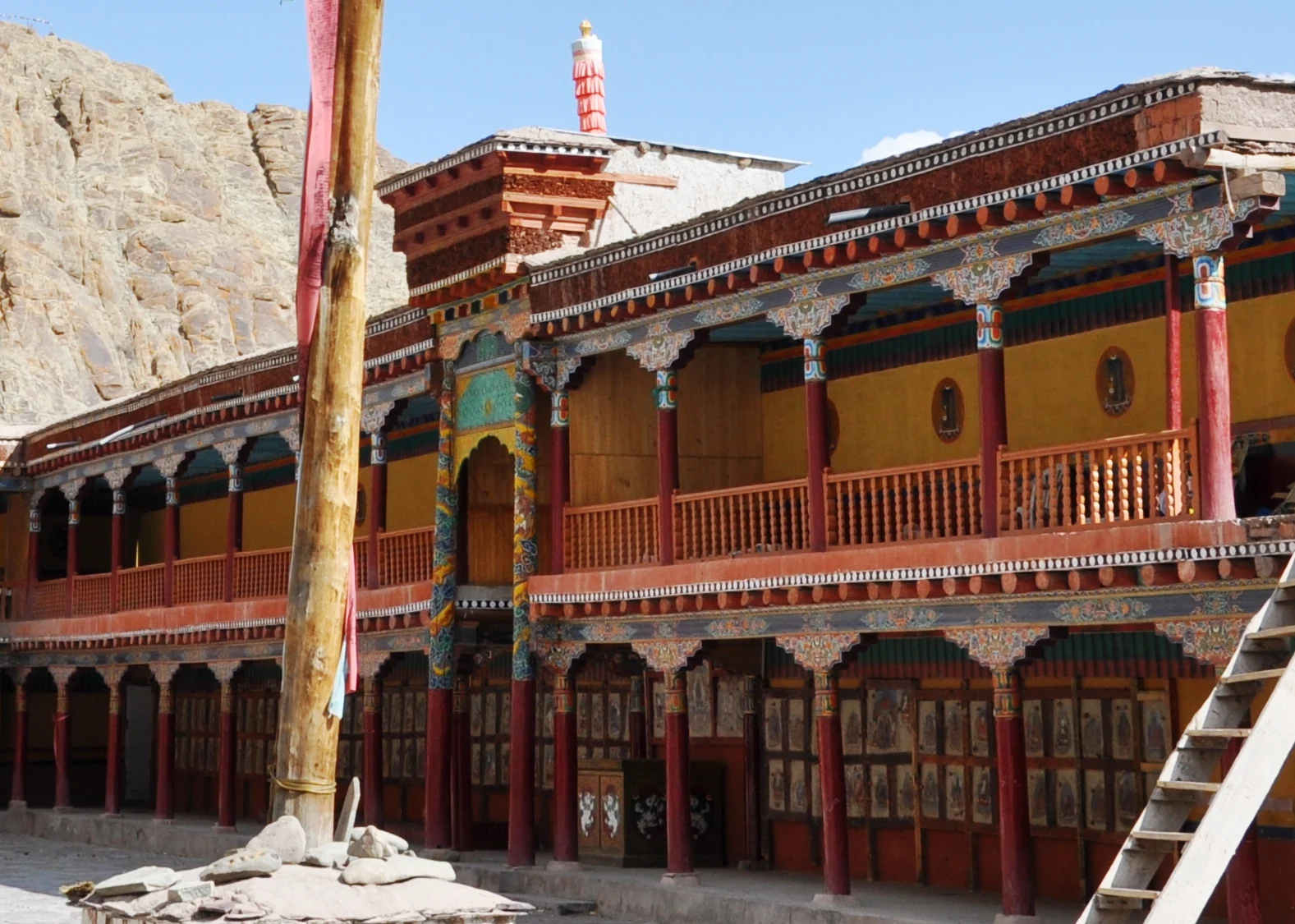
Hemis Monastery: Drukpa Heritage, Courtyard and Festival Traditions
Hemis as a living Buddhist institution, with royal associations, sacred art, courtyard use and the religious meanings of its annual festival.