
Kashmir Willow: Trees, Timber and Cricket-bat Making
Kashmir willow is associated with the production of cricket-bat timber and the work of bat makers in the Kashmir Valley.
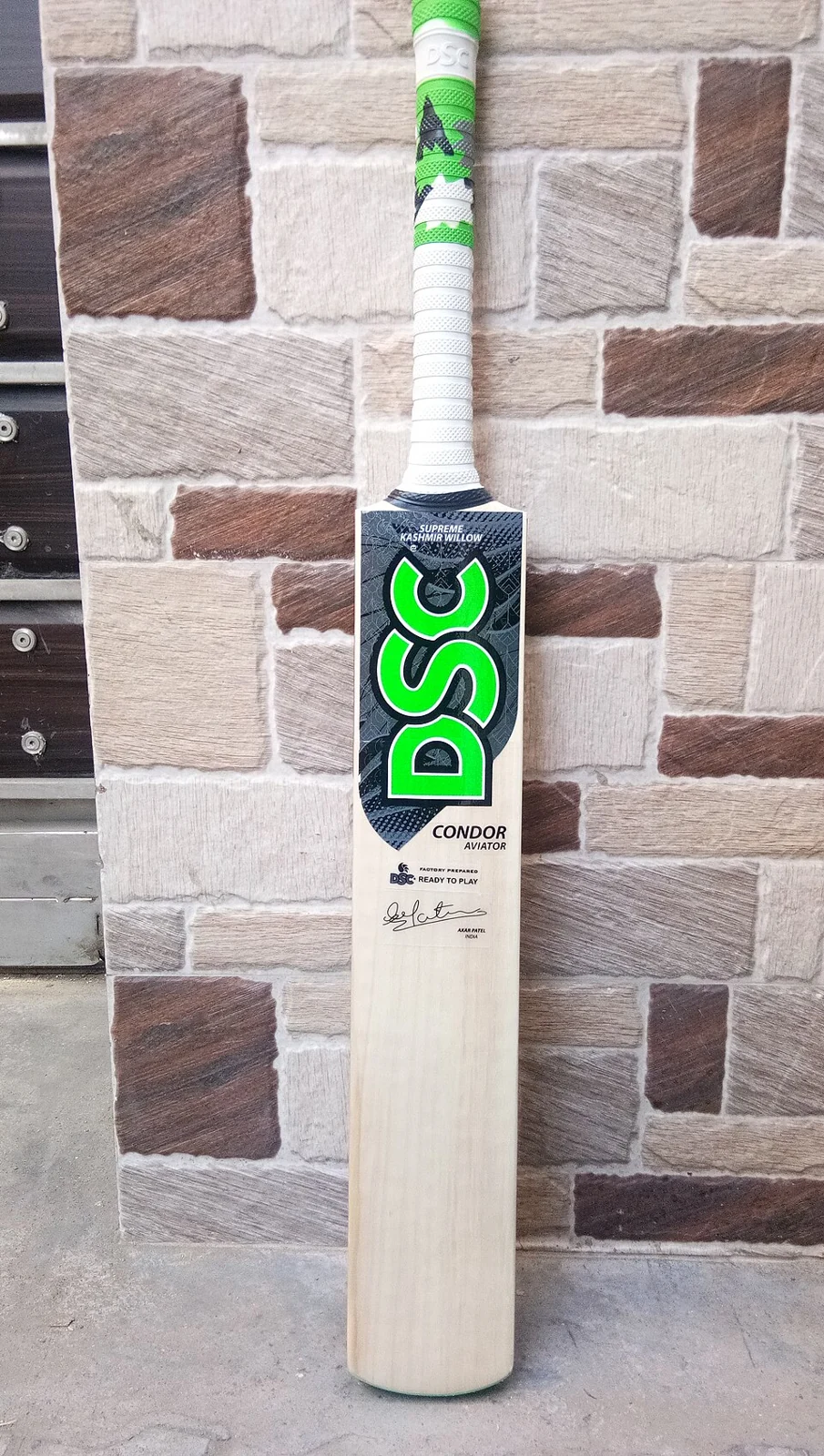
Kashmir willow is associated with the production of cricket-bat timber and the work of bat makers in the Kashmir Valley. The subject links trees, selected wood and a finished sporting object. These stages are related but not identical: the regional name on a bat does not by itself describe the growing site, drying process or workmanship of the particular product.[1]
From timber to blade
Government craft and livelihood accounts identify bat making as a regional industry. Timber is selected and worked into a blade whose shape, grain and balance matter to use. A bat also includes a handle and assembly work, so its final character cannot be explained by naming the blade wood alone.[2]
Making a sporting object involves choices between material, dimensions and intended use. Two bats carrying the same wood description can differ in mass, profile and finishing. A detailed product record is more useful than treating “Kashmir willow” as a single automatic performance grade.
Artisan work and regional identity
The industry belongs within the region's artisan livelihoods, alongside crafts using textiles, paper or walnut timber. Manufacturing and design knowledge deserve recognition in addition to the tree resource. A photograph of completed bats shows one point in a longer chain of growing, handling and making.
Price and sporting suitability depend on the actual item and user. This encyclopedia entry does not rank brands or promise that one kind of bat will improve performance. Its purpose is to explain a regional material tradition and the questions needed to document it accurately.
Compare Walnut Wood Carving for another timber-based craft and Carpets for a contrasting production system. The Sher-i-Kashmir Stadium entry places cricket in a public sporting setting, while Chinar shows a different relationship between a tree and cultural landscape. The regional context marker identifies an Anantnag-area connection, not every willow plantation or bat workshop.
Photograph and map record
Photograph: Arv94 via Wikimedia Commons. Licence: CC BY-SA 4.0. Recorded capture date: 2018-01-09. Resized and converted to WebP; scene content unchanged. This is a dated view, not confirmation of the site’s present appearance.

Map marker: 33.73, 75.15. Editorial regional-context marker for Anantnag. This subject is not a single physical destination: the point is not a birthplace, workshop, harvest site, species range, guaranteed wildlife locality or boundary of language use. View location on OpenStreetMap · View Google Maps · Google directions · OpenStreetMap directions.
Research checked: 14 October 2026. For a visit, confirm current access, transport and opening information with the relevant authorities. This encyclopedia profile provides geographical and historical context.
Sources & references
[1] Cricket bat — secondary historical/geographical overview
https://en.wikipedia.org/wiki/Cricket_bat ↗
[2] GI Registry: Kashmir Willow Bat and regional applicant
https://search.ipindia.gov.in/GIRPublicSearch/Application/Details/903 ↗
Photograph and licence
https://commons.wikimedia.org/wiki/File:Kashmir_willow_Cricket_Bat.jpg ↗
Related reading
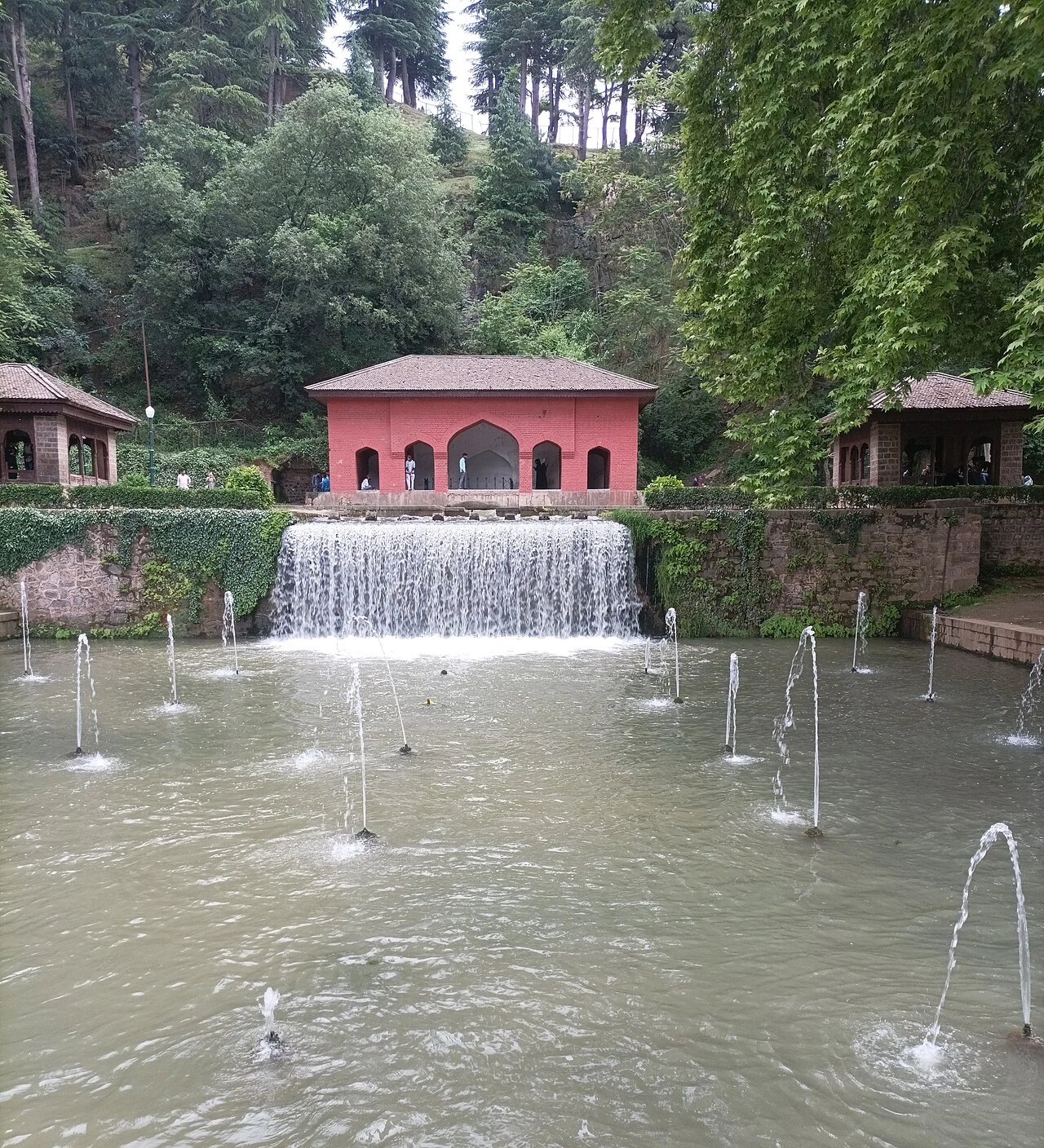
Achabal Garden: Spring-fed Terraces and Mughal Design
Achabal Garden is a Mughal garden in Anantnag district, arranged around a spring at the foot of a hill.
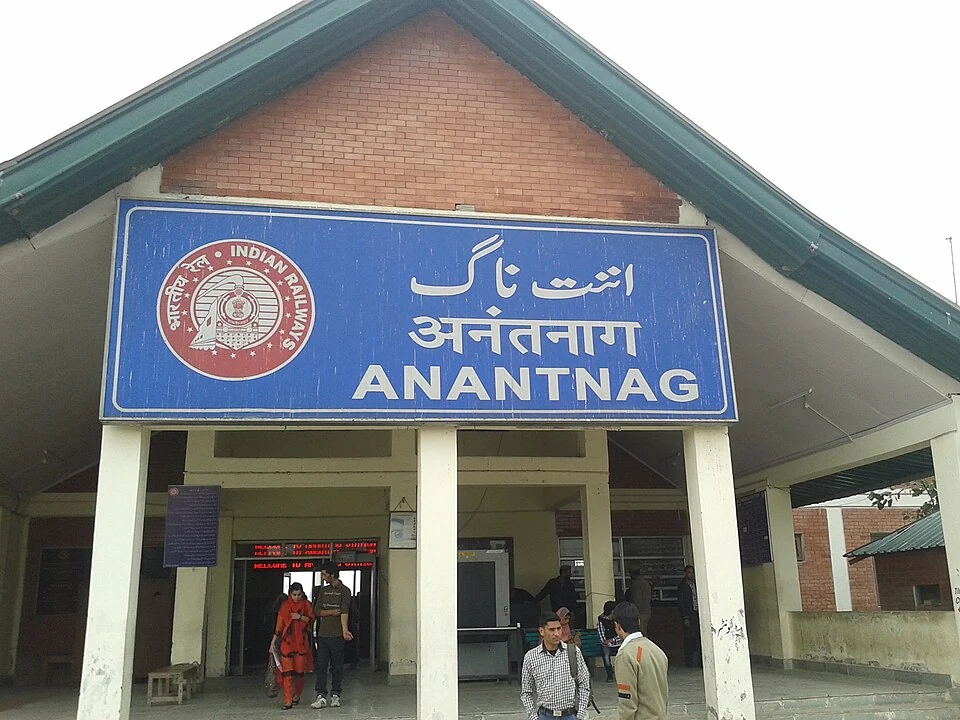
Anantnag Railway Station: Rail Access in Southern Kashmir
Anantnag railway station is a rail access point for southern Kashmir. It serves the Anantnag area within the Kashmir Valley corridor and is identified
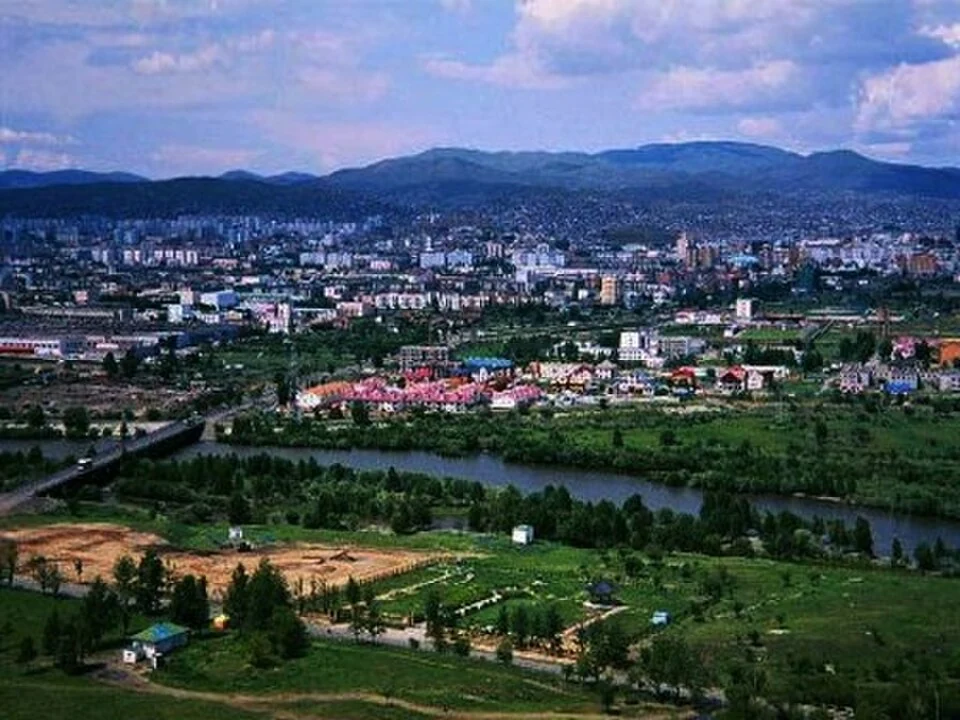
Anantnag: Town, Springs and Southern Kashmir
Anantnag is a major town and district headquarters in southern Kashmir. The name also refers to the surrounding district, so town history and district