
Pari Mahal: Dara Shikoh, Learning and Terraced Architecture
Pari Mahal’s association with Dara Shikoh, its historical accounts and terraced hillside architecture.
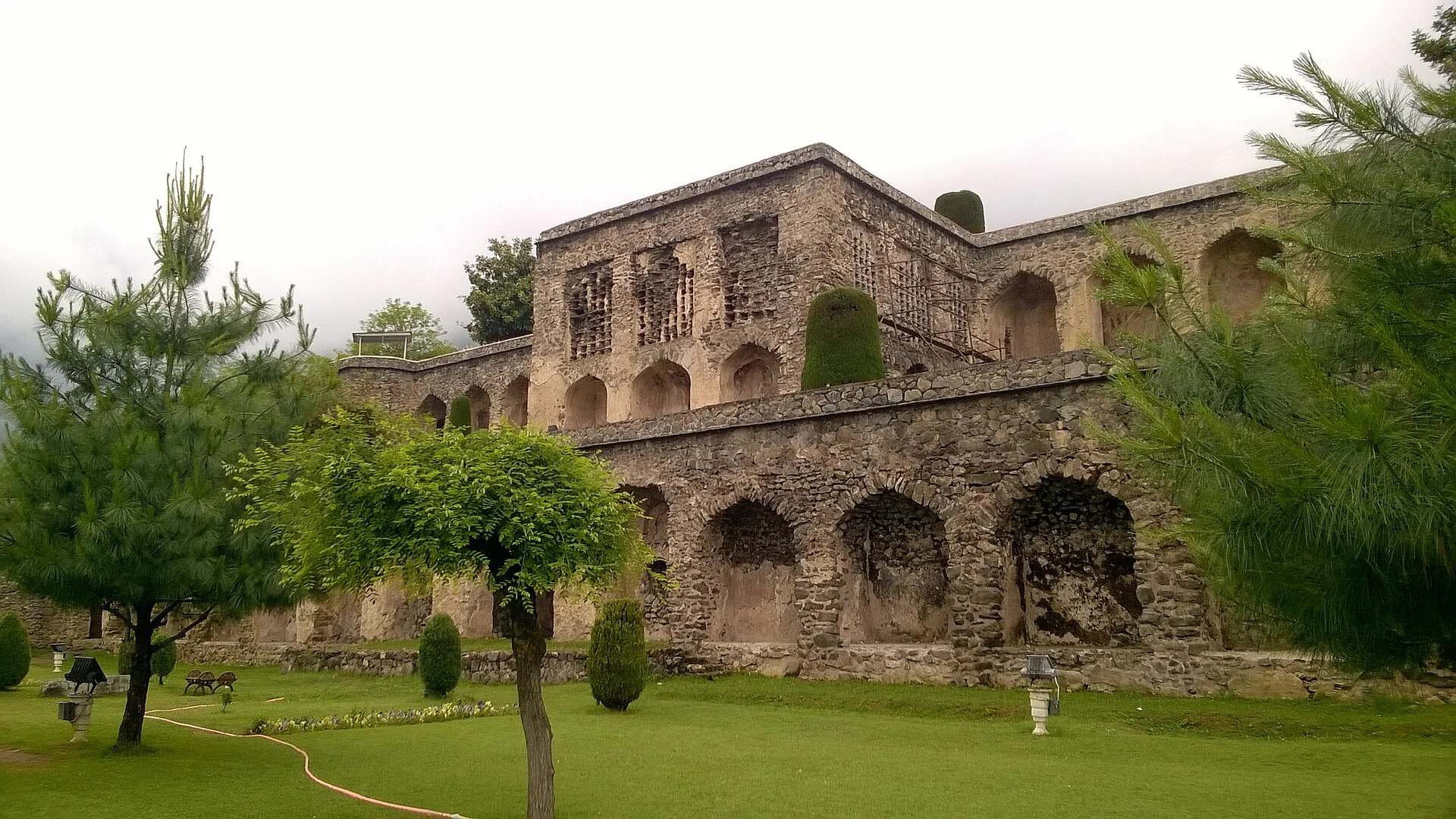
A terraced complex above Srinagar
Pari Mahal is a terraced architectural and garden complex in the Zabarwan setting above Srinagar and the southwestern part of Dal Lake. The district administration links it with Mughal Prince Dara Shikoh in the middle of the seventeenth century. Its importance lies in the combination of built spaces, successive levels and the broad view toward the city and lake. [1]
The name is commonly rendered as Palace of Fairies or Angels’ Abode. Such translations belong to the site’s cultural vocabulary; they do not demonstrate that supernatural stories are historical events. An architectural account can appreciate the name while distinguishing it from evidence about construction and use.
Dara Shikoh and learning
The district’s account describes Pari Mahal as an abode and library associated with Dara Shikoh, and records its use in teaching astronomy and astrology. Those subjects should retain their historical meanings rather than being treated as identical to contemporary disciplines. The complex is consequently connected with intellectual patronage as well as garden design. [1]
The secondary reference also associates the site with an earlier Buddhist monastery and repeats accounts of a learning centre. These statements are attributed here rather than used to date every surviving wall. A later building erected on an earlier site can have several historical layers, and those layers need not all remain visible. [2]
Architecture on a slope
The Ministry of Tourism’s description emphasises terraced gardens and archways. These elements allow spaces to be arranged on the hillside rather than in a single flat enclosure. A visitor can observe how retaining structures, openings and changes in level create different views from one part of the complex to another. [4]
The district account counts seven terraces; UNESCO’s submission describes six. [1][3]
When examining the site, it is useful to distinguish a terrace, a retaining wall and a room. They are related features but are not the same thing. The photograph in this article shows built fabric and planted space together; it cannot by itself establish the original purpose of every opening or the full historical layout.
Water and comparison with nearby gardens
Compare the terraced complex with the spring-centred garden at Chashma Shahi. Looking for their different organising features is more useful than expecting each site to repeat the other.
The wider comparison should also include Nishat Bagh and Shalimar Bagh. An elevated complex, a spring garden and a lakeside garden offer different relationships between architecture and their setting. Shared historical associations do not make them interchangeable destinations.
Recognition and photographic record
Pari Mahal appears in India’s UNESCO Tentative List submission for Kashmir’s Mughal gardens; this is not World Heritage inscription. [3]
The included photograph is dated May 2017 in its source metadata. It records a view of the architecture and adjoining garden, not an assurance about current restoration or access. The map uses a representative site coordinate published in the secondary reference; it is not a surveyed boundary or an entrance recommendation. [2][5]
![[5]](https://commons.wikimedia.org/wiki/File:Pari_Mahal,_Srinagar.jpg)
Visiting the complex
Confirm present access and opening arrangements, and ask about steps if mobility is a concern. Respect closed areas and avoid climbing on historic walls for photographs. The view toward Dal Lake becomes more informative when read alongside the lake entry and the district overview. Those connections place Pari Mahal within Srinagar’s landscape rather than treating it as an isolated monument.
Photograph credit and map
Photograph: Vinay Parepalli, via Wikimedia Commons, CC BY-SA 4.0. Resized and converted to WebP; no scene elements altered. Recorded date: 2017-05-17 10:09:09.
Map marker: Representative site coordinate from secondary reference; not a surveyed boundary.
For regional airport, railway and bus connections, consult the district transport guide.
Research date: 13 October 2026. Confirm changing access arrangements before travelling.
Sources & references
[1] District Srinagar — Pari Mahal
https://srinagar.nic.in/tourist-place/pari-mahal/ ↗
[2] Pari Mahal — secondary historical/geographical reference
https://en.wikipedia.org/wiki/Pari_Mahal ↗
[3] UNESCO — Mughal Gardens in Kashmir, Tentative List
https://whc.unesco.org/en/tentativelists/5580/ ↗
[4] Ministry of Tourism — Pari Mahal
https://www.incredibleindia.gov.in/en/jammu-and-kashmir/srinagar/pari-mahal ↗
[5] Photograph source and licence
https://commons.wikimedia.org/wiki/File:Pari_Mahal,_Srinagar.jpg ↗
[6] District Srinagar — regional transport guide
Related reading
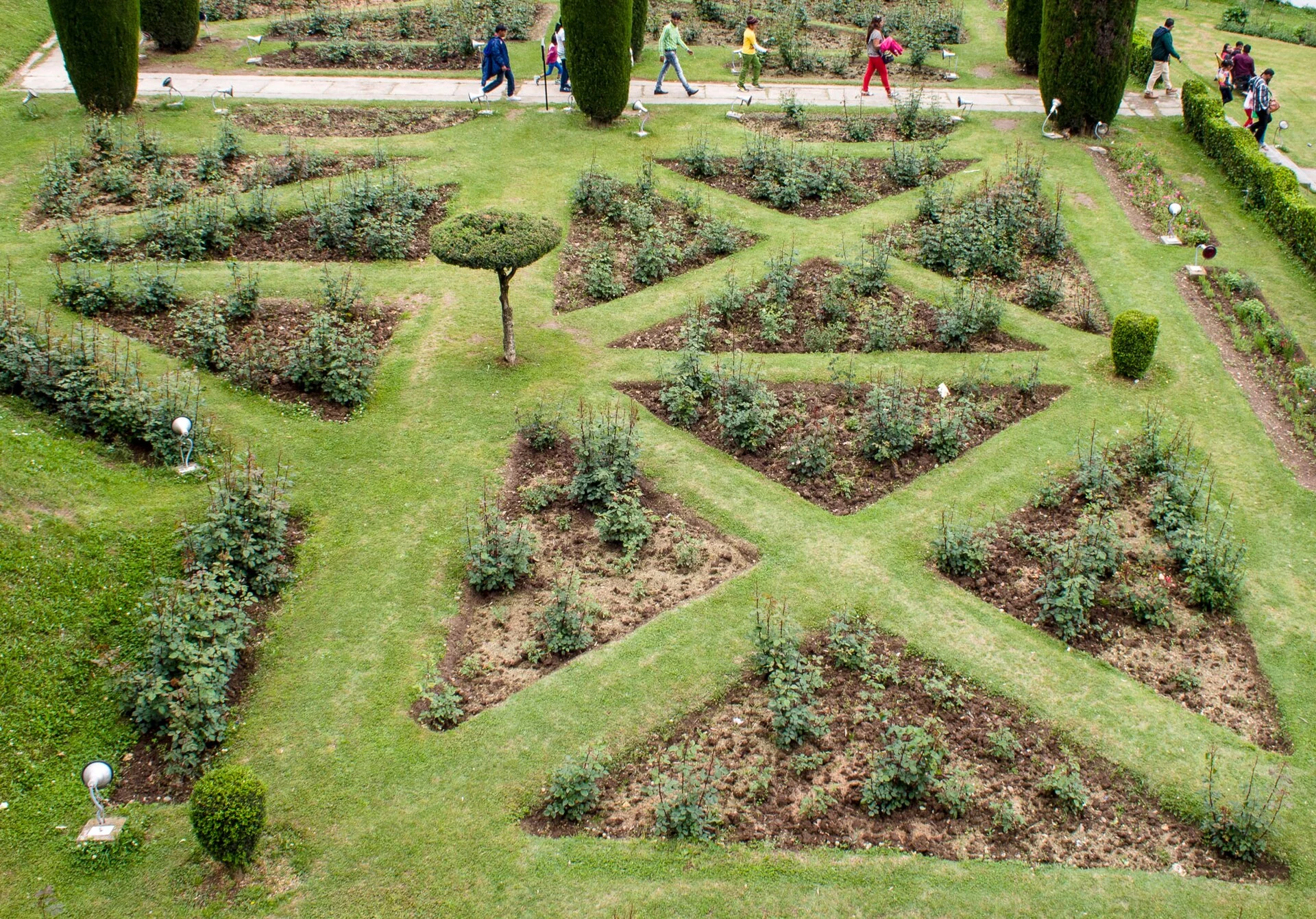
Chashma Shahi: The Royal Spring and Its Mughal Garden
The spring-centred design, Mughal commission, traditions and setting of Chashma Shahi.
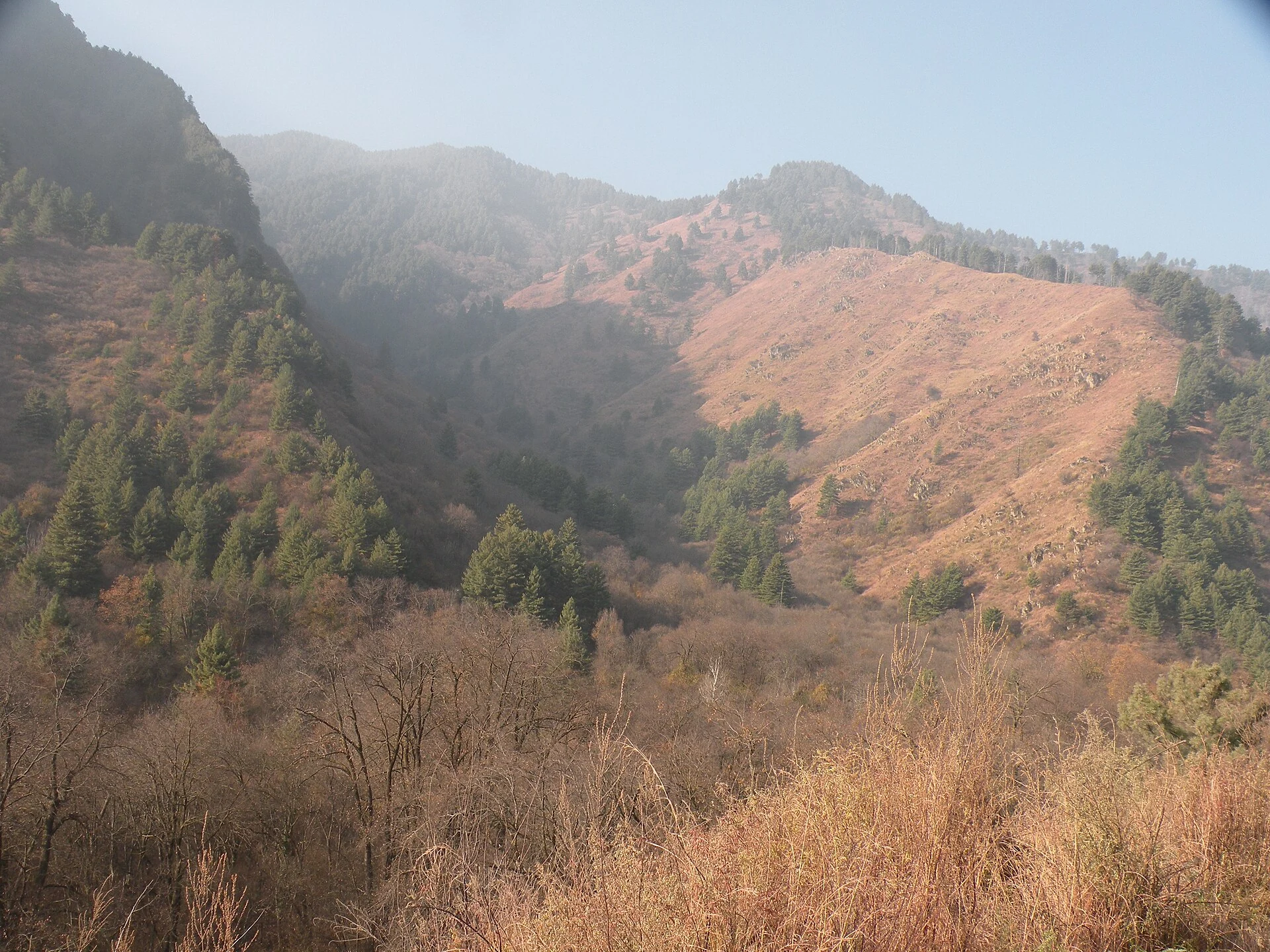
Dachigam National Park: Landscape, Hangul and Conservation
Dachigam’s protection history, varied terrain, water connections and wildlife-conservation context.
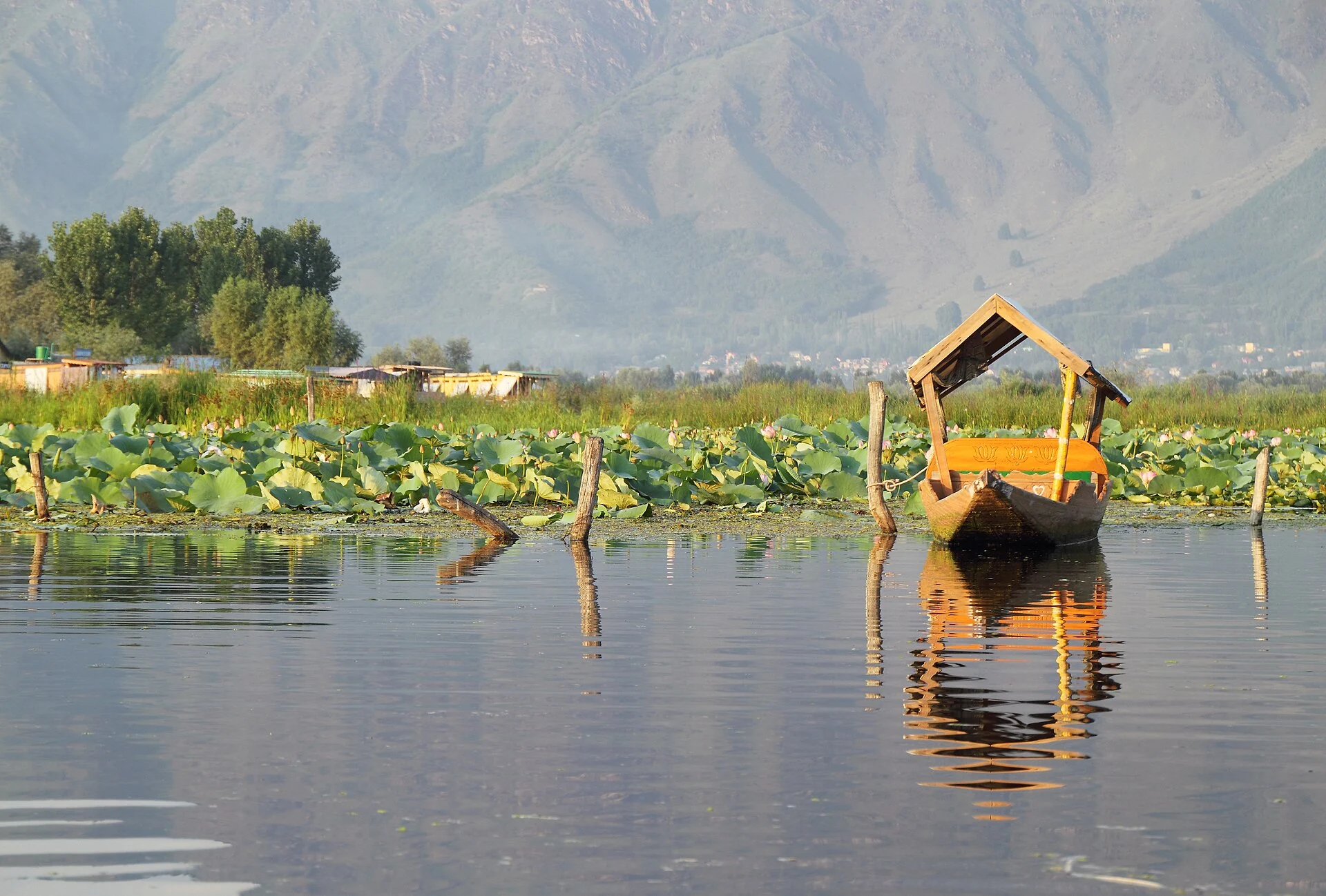
Dal Lake: Waterways, Floating Gardens and Life on the Lake
An introduction to Dal Lake’s connected basins, working waterscape, floating gardens, boats and cultural setting.